
Pruning
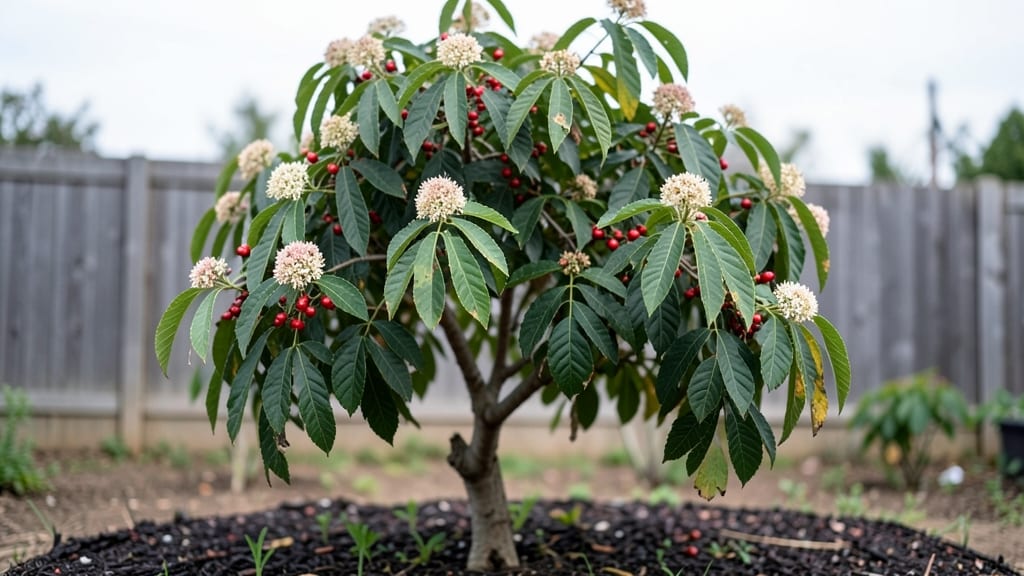
Those tiny white Brazilian pepper tree flowers might look unassuming, but they’re the secret to your tree’s stunning red berries—and pruning them right unlocks year-round blooms.
I’ve pruned hundreds of these trees, and the difference between a leggy, sparse plant and one bursting with flowers comes down to timing, cuts, and a little patience. The flowers arrive in spring, but the real magic happens when you shape the tree to encourage more blooms.
The key is pruning right after the berries drop in late winter or early spring, before new growth starts. You’re not just cutting back—you’re telling the tree, “Grow more flowers here.” Use clean, sharp shears and focus on removing dead wood and crossing branches first.
The goal is to open up the center so light reaches all the way down, which is where those delicate white clusters love to form. It’s surprisingly simple once you know the tricks.
What you’ll end up with is a tree that flowers continuously, not just in spring. The white blooms fade into those glossy red berries, and the whole process repeats—like a natural, ever-blooming show.
The berries attract birds, the flowers bring pollinators, and the tree stays full and vibrant. It’s the kind of transformation that makes neighbors ask, “How’d you do that?”
This works for both ornamental landscapes and native plantings, whether you’re in Florida’s heat or a warmer zone. The same principles apply—just adjust your timing to match your local climate. Ready to turn your tree into a blooming machine? Let’s get started.
📚 In This Guide
- What you need
- Instructions
- Tips and common mistakes
- Wrapping up and next steps
What you need
- ● Pruning shears: Bypass pruners (sharp, clean, and disinfected with rubbing alcohol or bleach solution). Quantity: 1 pair (or 2 for larger branches).
- ● Loppers: For thicker branches (1/4" to 1-1/2" diameter). Quantity: 1 pair.
- ● Pruning saw: For branches thicker than 1-1/2". Quantity: 1 (hand saw or folding pruning saw).
- ● Gloves: Heavy-duty gardening gloves (cut-resistant for safety). Quantity: 1 pair.
- ● Disinfectant: 1 part bleach to 9 parts water (for sterilizing tools between cuts). Quantity: Small spray bottle or cup.
- ● Rubbing alcohol (70% isopropyl): For quick tool sanitization. Quantity: Small bottle.
- ○ Pruning sealant: Optional but helpful for larger cuts (e.g., tree wound dressing). Quantity: Small tube.
- ● Ladder or step stool: For reaching higher branches safely. Note: Ensure it’s stable and rated for your weight.
- ● Trash bags: For collecting pruned debris. Quantity: 2-3 heavy-duty bags.
- ● Notebook & pen: To track pruning notes (dates, cuts made, etc.). Quantity: 1.
- ● Extension pole saw: For hard-to-reach branches without a ladder.
- ● Safety glasses: To protect eyes from debris.
- ● Work apron: With pockets for tools and sanitizer.
- ● Plant growth regulator: (e.g., paclobutrazol) if you’re addressing overgrowth.
- ● Camera: To document your tree’s progress before/after pruning!
Step-by-step guide for pruning a Brazilian pepper tree for continuous flowers
Here’s how to coax your Brazilian pepper tree into a nonstop floral display.
Understand the Right Time to Prune
Prune your Brazilian pepper tree in late winter or early spring, just as new growth begins. This timing ensures you remove last year’s growth while leaving enough energy for the current season’s blooms. Avoid pruning during flowering—you’ll sacrifice blossoms for the sake of shape.
Look for dormant branches that haven’t leafed out yet. These are ideal candidates for removal. If you see fresh green buds swelling along the stems, wait a few weeks before pruning. The tree’s natural rhythm matters—pruning at the wrong time stresses it and delays blooms.
Remove Dead or Overcrowded Branches
Start by cutting out dead, diseased, or crossing branches using clean, sharp pruning shears. Sterilize your tools with rubbing alcohol to prevent spreading pathogens. Focus on branches that rub against others or grow inward—they compete for sunlight and weaken the tree’s structure.
Thin out overcrowded areas by removing up to one-third of the tree’s branches in a single session. This improves airflow and sunlight penetration, which are critical for flower production. If a branch is too thick for hand pruners, use a pruning saw for a clean cut just outside the branch collar.
Shape for Better Flowering
Prune to encourage an open, vase-like shape—this allows sunlight to reach inner branches, where many flowers form. Cut back overly long branches by about one-third of their length, always making cuts just above a leaf node or outward-facing bud. Avoid leaving stubs, as they invite disease.
If your tree has become too leggy, prune the tallest branches first to restore balance. Brazilian pepper trees respond well to shaping, so don’t be afraid to get bold. The goal is to create a framework that supports abundant, year-round blooms rather than a dense, shaded canopy.
Lighten the Canopy for More Sunlight
Focus on thinning the upper canopy to let sunlight filter down to lower branches. Remove branches that block light from reaching the inner third of the tree, where many flowers develop. If you see bare patches on the lower trunk, prune back some of the taller branches above them to redirect energy downward.
After pruning, step back and assess the tree’s silhouette. You should see open spaces between branches and a gradual taper from top to bottom. This structure ensures even sunlight exposure, which triggers more frequent flowering. Avoid heavy pruning in one area—distribute cuts evenly for balanced regrowth.
Post-Pruning Care for Stronger Blooms
Water the tree deeply after pruning to help it recover. Apply a balanced, slow-release fertilizer (10-10-10 ratio) to support new growth. Monitor the tree closely for the first 4-6 weeks—new shoots will emerge from the pruned areas, and these will produce next year’s flowers.
If you notice yellowing leaves or stunted growth after pruning, the tree may be stressed. In this case, reduce watering slightly and avoid fertilizing until new leaves appear. With proper care, your Brazilian pepper tree will reward you with vibrant, continuous blooms for years to come.
Tips & tricks for pruning a Brazilian pepper tree for year-round blooms
Pruning your Brazilian pepper tree might seem intimidating, but these key strategies will help you transform it into a flowering powerhouse without stressing the plant.
Timing is Everything: Late winter or early spring is your golden window for pruning. This is when the tree naturally begins its growth cycle, and it ensures you're removing last year's growth while preserving energy for new blooms. I learned this the hard way—pruning during flowering can actually reduce your bloom count, so resist the urge to tidy up when those pretty blossoms appear. Look for those dormant branches that haven't leafed out yet; these are your prime candidates for removal.
Tool Preparation Matters: Sterilize your pruning shears and saw with rubbing alcohol before you begin. I can't emphasize this enough—clean tools prevent spreading pathogens that could harm your tree. Also, make sure your blades are sharp; dull tools crush stems instead of making clean cuts, which stresses the plant and invites disease. For thicker branches, a pruning saw is your best friend—just remember to cut just outside the branch collar for the cleanest, healthiest heal.
Shape with Purpose: When shaping your tree, aim for that open, vase-like structure. This isn't just about aesthetics—it's about allowing sunlight to reach those inner branches where many flowers develop. I like to visualize the tree as a sculpture where every cut serves a purpose. Cut back overly long branches by about one-third, always targeting that leaf node or outward-facing bud. This technique encourages new growth in the right places and prevents those unsightly stubs that can invite disease.
Post-Pruning Care is Critical: After you've finished pruning, don't just walk away. Water deeply to help your tree recover, and apply that balanced 10-10-10 fertilizer to support new growth. The first 4-6 weeks are crucial—keep an eye out for those new shoots emerging from your pruned areas. These will be the foundation for next year's flowers. If you notice yellowing leaves or stunted growth, your tree might be stressed. In that case, ease up on the watering and hold off on fertilizing until new leaves appear.
Pro Tips for Brazilian Pepper Tree Flower
- Pruning your Brazilian pepper tree might seem intimidating, but these key strategies will help you transform it into a flowering powerhouse without stressing the plant.
- Timing is Everything: Late winter or early spring is your golden window for pruning.
- Tool Preparation Matters: Sterilize your pruning shears and saw with rubbing alcohol before you begin.
Frequently asked questions
Got questions about Brazilian pepper tree flowers and their pruning? You’re not alone! Here are some of the most common queries—plus quick, actionable answers to keep your tree thriving.
When do Brazilian pepper tree flowers bloom?
The Schinus terebinthifolius typically blooms in late spring to summer (May–July), but with strategic pruning, you can encourage year-round blooms. Prune lightly after flowering to promote new growth and more flowers. Avoid heavy cuts in winter, as this can stress the tree.
Can I prune Brazilian pepper trees in winter?
Winter (December–February) is the worst time to prune heavily, as the tree is dormant and vulnerable to cold damage. Instead, opt for light shaping or deadwood removal in late winter. Save major pruning for early spring (March–April) to align with new growth cycles.
What should I do if my Brazilian pepper tree isn’t flowering?
Lack of flowers often stems from over-pruning, poor sunlight, or nutrient deficiencies. Ensure your tree gets 6+ hours of sun daily and fertilize in early spring with a balanced, citrus-friendly formula. Avoid cutting back more than 25% of the canopy at once—this can shock the tree.
Are there non-invasive alternatives to Brazilian pepper?
If you’re concerned about invasiveness (it’s classified as a noxious weed in some states), consider native alternatives like Schinus molle (Peruvian pepper tree) or Ilex vomitoria (yaupon holly). Both offer similar structure and wildlife benefits without the spread risk.
Why are my Brazilian pepper tree flowers turning brown?
Brown flowers or buds usually signal stress from overwatering, underwatering, or pests. Check the soil—it should be slightly moist but well-draining. Inspect for scale insects or spider mites (common culprits) and treat with horticultural oil if needed. Prune affected branches to improve airflow.
Wrapping up and next steps
The Brazilian pepper tree flower is a stunning addition to any landscape, and with the right pruning techniques, you can enjoy its vibrant blooms year-round! 🌸 By mastering the art of selective trimming, understanding seasonal adjustments, and addressing common issues, you’re well on your way to cultivating a thriving tree that’s both beautiful and low-maintenance.
Now that you’re armed with the knowledge, grab those pruners and get ready to transform your outdoor space. Start by scheduling your first pruning session—whether it’s a light shape-up or a more strategic overhaul—and watch your Brazilian pepper tree reward you with nonstop color and charm!