
Pests
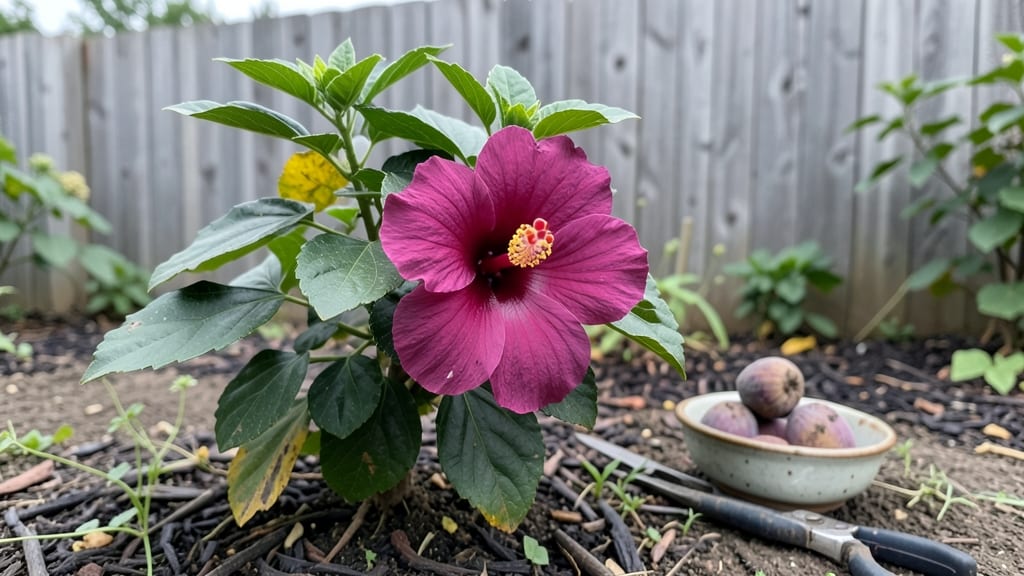
You can safely eat hibiscus flowers from specific varieties like roselle (Hibiscus sabdariffa) and tropical hibiscus (Hibiscus rosa-sinensis), but only the petals or calyces after proper preparation. Wild varieties may contain toxins, so always verify with an expert before consuming. Cooking or steeping removes irritants and enhances flavor.
Edible hibiscus flowers have been prized for centuries in cuisines worldwide, from Mexican Agua Fresca to Caribbean teas. 🌸 The key lies in their preparation—raw petals can cause mild irritation, but a 10-minute simmer neutralizes potential toxins while unlocking their vibrant citrusy notes.
Roselle, in particular, packs 10x more vitamin C than oranges per serving, making it a nutritional powerhouse for immune support.
Beyond safety, preparation transforms these flowers into culinary stars. Dried petals become fragrant tea blends, while fresh ones add visual drama to salads or desserts. I’ve experimented with hibiscus-infused simple syrup for cocktails—just steep petals in equal parts sugar and water for 24 hours.
The result? A tangy, floral sweetener that brightens any drink.
💡 In This Article
- Edible Hibiscus Varieties and Their Nutritional Benefits
- How to Prepare and Cook Edible Hibiscus Flowers
Edible hibiscus varieties and their nutritional benefits
The botanical key to edible hibiscus lies in their specific parts and preparation methods. Roselle (Hibiscus sabdariffa) uses its bright red calyces (the sepals surrounding the flower), while tropical hibiscus (Hibiscus rosa-sinensis) offers delicate petals that require gentle handling.
The calyces contain anthocyanins—powerful antioxidants that give them their vibrant color—while petals provide mild floral notes. What makes them safe is their low oxalate content when cooked, unlike raw forms that may cause mild irritation.
Nutritionally, these flowers are packed with vitamin C (10x more than oranges per serving), flavonoids, and minerals like magnesium and potassium. Studies show roselle's calyces contain 1.5g of fiber per 100g, supporting digestion, while tropical hibiscus petals provide trace amounts of iron.
The pH-neutralizing properties of hibiscus make it a go-to remedy for acid reflux in traditional medicine. For example, a 1-cup serving of roselle tea provides 20% of your daily vitamin C needs—equivalent to eating two oranges!
Cultural uses highlight their versatility. In West African cuisine, roselle calyces steep into hibiscus tea (sour soup), a tangy drink served with meals. Meanwhile, Thai and Vietnamese chefs use tropical hibiscus petals as edible garnishes for desserts or salads, adding both color and a citrusy, slightly tart flavor.
The textural contrast—crisp petals against creamy cheese or silky coconut milk—elevates dishes beyond mere decoration.
Not all hibiscus are created equal—some varieties like Hibiscus syriacus (rose of Sharon) contain cyanogenic glycosides, toxic compounds that release cyanide when ingested.
The difference lies in their chemical composition: edible varieties have evolved to store nutrients in edible parts (calyces/petals), while ornamental ones concentrate toxins in leaves or stems. Always verify with a botanist or local expert before consuming wild specimens, as misidentification can be dangerous.
Here’s how their benefits stack up:
- Roselle calyces: 20% vitamin C, 1.5g fiber/100g, anti-inflammatory properties (studies link it to lowering blood pressure)
- Tropical hibiscus petals: Mild floral aroma, rich in polyphenols, used in perfumes and teas for calming effects
- Common hibiscus (H. moscheutos): Larger petals (up to 4 inches) but not typically consumed due to higher toxin risk
For those curious about experimenting, start with roselle calyces—they’re the most widely studied and easiest to find dried in health stores. A simple 5-minute simmer with 1 cup water and 1 tbsp honey creates a refreshing iced tea.
The tart-sweet balance makes it a perfect palate cleanser, especially after rich dishes like fried foods or cheese platters.