Pests
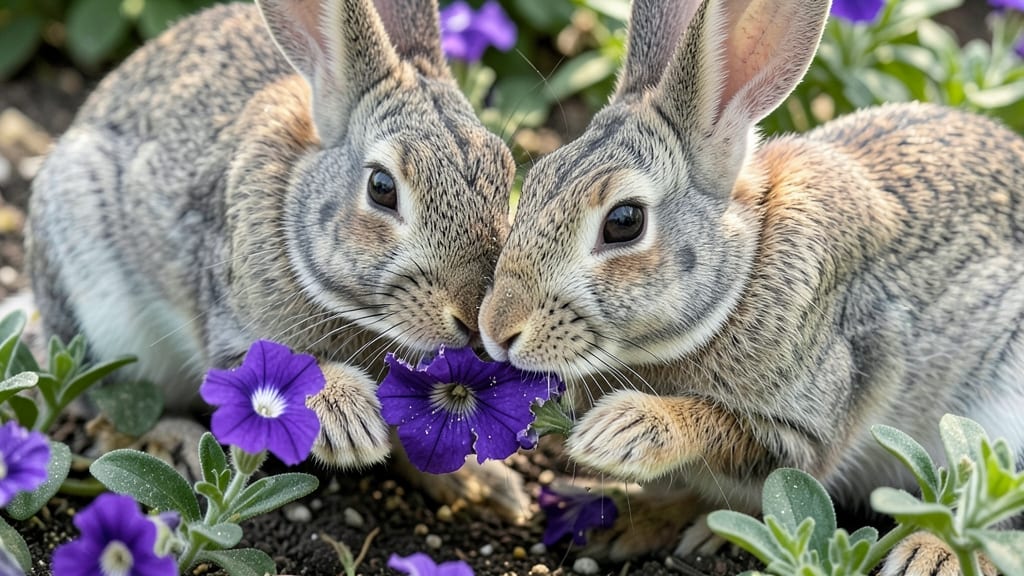
Yes, rabbits will eat petunia flowers but should avoid them due to mild toxicity risks from solanine and nicotine alkaloids, which can cause digestive upset or neurological symptoms. Stick to rabbit-safe garden plants like cilantro, parsley, or dandelion greens instead.
Petunias contain natural compounds that can irritate a rabbit's digestive system, especially when consumed in larger quantities. 🌸 While the risk of severe poisoning is low, symptoms like drooling, lethargy, or loss of appetite may appear within hours.
I’ve seen rabbits nibble petunia leaves in curiosity, but it’s always safer to redirect their grazing toward plants designed for their diet—like mint or clover—which provide nutritional benefits without risks.
For gardeners with rabbits roaming freely, swapping out petunias for marigolds or nasturtiums offers vibrant color while keeping your bunnies safe. These alternatives are not only non-toxic but also add variety to your garden’s ecosystem. Always monitor your rabbit’s behavior after introducing new plants, just to be sure!
💡 In This Article
- Toxicity Levels in Petunia Flowers for Rabbits
- Rabbit-Safe Flower and Herb Alternatives
Toxicity levels in petunia flowers for rabbits
The mild toxicity in petunia flowers stems from two key chemical compounds: solanine (a glycoalkaloid) and trace amounts of nicotine (an alkaloid). Solanine levels in petunias typically measure between 0.01-0.05% of the plant's dry weight—far lower than in nightshades like tomatoes or potatoes, but still capable of causing gastrointestinal irritation.
The nicotine content, while minimal, acts as a natural insect repellent and can trigger mild neurological responses in sensitive animals like rabbits. 🔥
When ingested, these compounds disrupt a rabbit's digestive system by interfering with acetylcholine receptors, leading to symptoms like drooling, diarrhea, or lethargy within 6-24 hours.
The severity depends on consumption volume: a single nibble of a petunia leaf (1-2 grams) might cause mild stomach upset, while larger amounts could trigger vomiting or loss of appetite.
For comparison, foxglove (a highly toxic plant) contains 0.2-0.5% cardiac glycosides, making it 10-50x more dangerous than petunias per gram of plant material.
What most people don't realize is how individual rabbit metabolism plays a role. Younger rabbits or those with pre-existing digestive conditions are more vulnerable to even small amounts of petunia toxins. The plant's bitter taste often deters rabbits from eating large quantities, but curious nibbles can still pose risks.
Unlike azaleas (which contain grayanotoxins causing severe cardiac issues), petunias lack the same level of systemic toxicity—but their cumulative effects over time can lead to chronic gastrointestinal discomfort.
Here's how petunia toxicity compares to other garden plants rabbits might encounter:
- Petunias: Mild gastrointestinal irritation (solanine/nicotine), low risk of severe poisoning
- Foxglove: Cardiac arrest risk (cardiac glycosides), highly toxic even in small doses
- Azaleas: Neurological symptoms (grayanotoxins), moderate-to-high toxicity
- Daffodils: Severe vomiting (lycorine alkaloids), highly toxic to rabbits
The good news is that petunia toxicity is not cumulative—meaning occasional exposure won't build up in a rabbit's system. However, repeated nibbling could lead to chronic digestive issues over time.
Always monitor your rabbit's behavior after they've accessed garden plants, especially if they show signs of excessive drooling, lethargy, or loss of appetite—these are red flags that warrant immediate veterinary attention. 💛
For gardeners, the key takeaway is that petunias aren't safe but also aren't the most dangerous plants rabbits might encounter. The real risk comes from unsupervised access to larger quantities or when combined with other mildly toxic plants.
When in doubt, opt for rabbit-safe alternatives like marigolds (which contain limonene, a natural pest repellent) or basil (rich in vitamins rabbits love).