Aphids
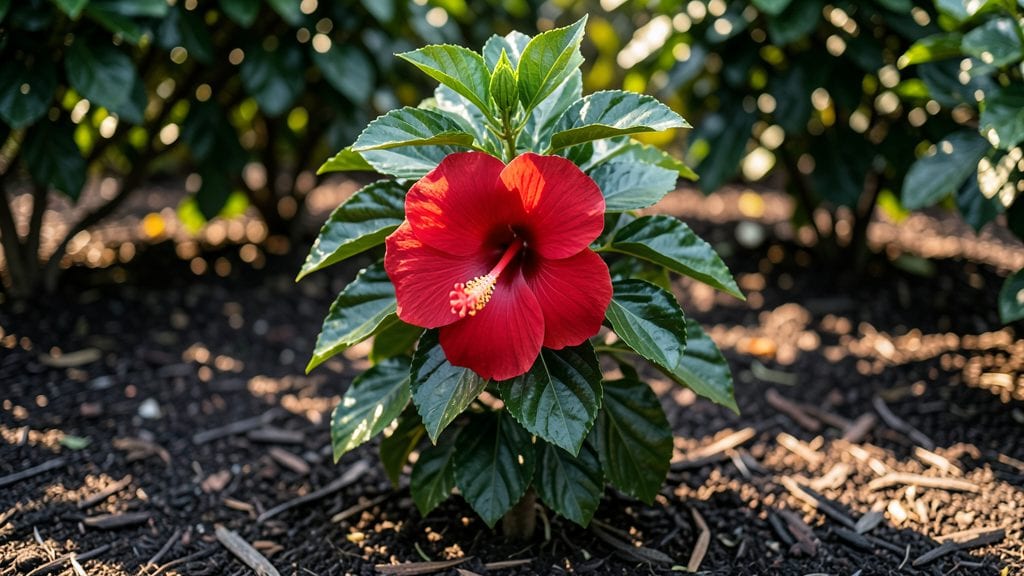
Large flowered hibiscus can turn your yard into a tropical paradise with blooms the size of dinner plates. 🌺 I’ve grown them for years, and the secret to those showstopping flowers isn’t just heat—it’s the right balance of sun, soil, and a little strategic pruning.
Most people overwater or underfeed them, but once you nail these basics, you’ll have blooms that last from summer through fall.
The key starts with full sun exposure—at least 6-8 hours daily—and well-draining soil that’s slightly acidic. These plants love humidity but hate soggy roots, so raised beds or containers with drainage holes work best.
Feed them every 4-6 weeks with a balanced fertilizer, and you’ll see those bold blooms double in size compared to what you’d get from store-bought plants.
Pruning in late winter or early spring gives you the biggest payoff: more flowers, stronger stems, and a bushier shape. Cut back dead wood and shape the plant to encourage new growth where you want it.
By midsummer, you’ll have a plant covered in flowers, and the fragrance alone makes it worth the effort.
Even in hot climates, hibiscus can struggle with pests like aphids or fungal issues if the air doesn’t circulate well. Space plants 3-5 feet apart and water at the base to keep foliage dry. With these tweaks, your hibiscus will thrive year after year—no tropical vacation required.
📚 In This Guide
- What you need
- Instructions
- Tips and common mistakes
- Wrapping up and next steps
What you need
- ● Large-flowered hibiscus plant: Choose a healthy nursery-grown specimen (or seeds for propagation). Look for vibrant foliage and buds!
- ○ Well-draining potting mix: 50% high-quality potting soil + 50% perlite or orchid bark (for aeration). Optional: Add a handful of compost for nutrients.
- ● Pot with drainage holes: 12–18" diameter for mature plants (or 6–8" for young ones). Terracotta or fabric pots work best.
- ● Slow-release fertilizer: Balanced 10-10-10 or organic options like fish emulsion (apply every 4–6 weeks).
- ● Pruning shears: Sharp, clean pair for trimming dead blooms or shaping the plant.
- ● Watering can with a rose attachment: For gentle, deep watering (avoid soggy roots!).
- ○ Mulch (optional): Pine bark or shredded leaves to retain moisture and regulate soil temp.
- ● Sunlight: 6+ hours of direct sunlight daily (partial shade in extreme heat).
- ● Temperature: Thrives in 70–90°F (21–32°C). Protect from frost (<50°F/10°C).
- ● Humidity: Loves tropical humidity (50%+). Mist leaves or use a pebble tray if your air is dry.
- ● Patience: Hibiscus blooms best when established (6+ months in ideal conditions).
Step-by-step instructions for planting and caring for large flowered hibiscus
Here’s how to grow stunning hibiscus with bold blooms that love heat and humidity.
🌱 Step 1: Choose the Right Location and Prepare the Soil
Large flowered hibiscus thrives in full sun—at least 6-8 hours daily—but can tolerate partial shade in extremely hot climates. I always pick the sunniest spot in my garden because hibiscus rewards abundant light with bigger, brighter blooms. The soil needs to drain well but retain moisture, so amend heavy clay with 2-3 inches of organic compost or aged manure before planting.
Dig a hole twice as wide as the root ball but only as deep. Hibiscus roots spread wide, so avoid planting too deep—this can suffocate the plant. Loosen the sides of the hole with a shovel to encourage root expansion. If your soil is sandy, mix in 1 part peat moss to help retain moisture.
💧 Step 2: Plant and Water Deeply for Strong Establishment
Gently remove the hibiscus from its container and tease the roots apart if they’re circling. Place it in the hole so the top of the root ball sits level with the soil surface—never bury the stem. Fill the hole with soil, pressing lightly to eliminate air pockets, but don’t compact it too tightly.
Water deeply right after planting—about 1 gallon per plant—to settle the soil and encourage roots to spread. Hibiscus hate soggy roots, so ensure the planting site has no standing water. Mulch around the base with 2-3 inches of shredded bark or pine straw to conserve moisture and keep roots cool. Avoid piling mulch against the stem.
☀️ Step 3: Maintain Consistent Moisture and Fertility
Hibiscus love consistent moisture but won’t tolerate soggy soil. Water 1-2 times weekly, depending on rainfall, ensuring the top 2 inches of soil stay slightly damp. You’ll know it’s time to water when the soil feels dry to the touch—hibiscus wilt quickly if thirsty. In extreme heat, I water early in the morning to reduce evaporation.
Feed your hibiscus every 4-6 weeks during the growing season with a balanced, water-soluble fertilizer (10-10-10 or similar). I also top-dress with slow-release granules in spring to provide steady nutrients. Avoid high-nitrogen fertilizers—they promote leafy growth at the expense of blooms. Watch for yellowing leaves, which can signal over-fertilization or poor drainage.
✂️ Step 4: Prune for Bushier Growth and More Blooms
Prune hibiscus late winter or early spring before new growth begins. Cut back one-third of the plant’s height to encourage bushier growth and more flowers. Remove dead, damaged, or crossing branches to improve airflow and reduce disease risk. I also pinch back new growth tips in spring to promote branching.
Deadhead spent blooms regularly to encourage continuous flowering. If your hibiscus grows leggy, trim the longest stems to maintain a compact shape. Never prune in fall—this can stimulate tender new growth that won’t survive winter frosts. After pruning, apply a light layer of compost around the base to replenish nutrients.
🪴 Step 5: Protect from Frost and Overwinter Carefully
Hibiscus are tender perennials and won’t survive frost. In colder climates, dig up container-grown plants or mound 4-6 inches of mulch around the base before the first frost. If planting in the ground, cover with burlap or frost cloth on cold nights. I’ve seen hibiscus survive light frosts if protected, but hard freezes will kill them.
In mild winters, hibiscus can stay in the ground if protected. Prune back one-third in late winter and resume regular care in spring. For container plants, move them to a bright, cool indoor spot (like a sunroom) where temperatures stay above 50°F. Reduce watering but keep the soil slightly moist—dormant plants need less water but still benefit from humidity.
Tips & tricks for perfect large flowered hibiscus care
Growing vibrant hibiscus takes more than just sunshine—it's about the little details that make all the difference. Here's what I've learned from years of growing these stunning tropical plants.
Sunlight Strategy: Those 6-8 hours of daily sun are non-negotiable for large flowered hibiscus, but here's the thing: morning sun is more important than afternoon sun in hot climates. I've found that hibiscus in my zone actually prefer the intense morning rays followed by gentle afternoon shade, especially when temperatures exceed 90°F. This prevents leaf scorch while still giving them the energy they need for those spectacular blooms.
Soil Secrets: When preparing your planting hole, don't just loosen the sides—think of it like creating a spa for your hibiscus roots. I make it a point to work in plenty of organic matter (like that 2-3 inches of compost) and create a slightly mounded shape in the hole. This helps prevent water pooling around the roots while keeping them cozy. The goal is well-draining soil that still holds moisture—like a good sponge that doesn't drip.
Watering Wisdom: That initial 1-gallon deep watering after planting is crucial, but here's what nobody tells you: hibiscus roots actually need oxygen too. After the first watering, let the top inch of soil dry out before watering again. I've seen many gardeners overwater because they think hibiscus love wet feet—trust me, they don't. The key is keeping that top 2 inches slightly damp while ensuring good drainage. Think of it like Goldilocks—just right, not too wet, not too dry.
Fertilizer Finesse: When feeding your hibiscus every 4-6 weeks, I've found that less is often more. Start with half the recommended dose of your balanced fertilizer, then adjust based on your plant's response. Hibiscus are heavy feeders but can easily become fertilizer burn victims. I also recommend using a slow-release fertilizer in spring—it provides steady nutrition without the risk of overfeeding. And remember: yellow leaves usually mean too much nitrogen, not too little fertilizer.
Pro Tips for Large Flowered Hibiscus
- Growing vibrant hibiscus takes more than just sunshine—it's about the little details that make all the difference.
- Sunlight Strategy: Those 6-8 hours of daily sun are non-negotiable for large flowered hibiscus, but here's the thing: morning sun is more important than afternoon sun in hot climates.
- Soil Secrets: When preparing your planting hole, don't just loosen the sides—think of it like creating a spa for your hibiscus roots.
Frequently asked questions
Got questions about your large flowered hibiscus? You’re not alone!
Whether you're a beginner or a seasoned gardener, these common queries will help you keep your tropical beauty thriving.
How often should I water large flowered hibiscus?
Water your hibiscus deeply 2-3 times per week during hot, dry months—aim for 1-2 inches of water per session. In cooler weather, reduce to once a week. Check soil moisture first: if the top 2 inches are dry, it’s time to water. Overwatering is a common killer, so ensure well-draining soil to prevent root rot.
Can large flowered hibiscus survive winter?
Hibiscus are tropical plants and not frost-tolerant. If you live in zones 9-11, they’ll thrive year-round. In colder climates (zones 7-8), protect them with mulch, frost cloth, or move potted plants indoors before temps drop below 30°F (-1°C). Prune back dead growth in spring.
Why are my hibiscus leaves yellowing or dropping?
Yellow leaves usually signal overwatering, underwatering, or nutrient deficiencies. Check the soil—soggy roots mean too much water, while crispy edges mean too little. Adjust your watering routine and fertilize with a balanced tropical plant food (like 20-20-20) every 4-6 weeks. Pests like aphids or spider mites can also cause stress—inspect leaves and treat with neem oil if needed.
What’s the best fertilizer for large flowered hibiscus?
Use a high-phosphorus, balanced fertilizer (e.g., 10-20-10 or 20-20-20) to encourage bold blooms. Apply every 4-6 weeks during spring and summer, following label instructions. Avoid high-nitrogen fertilizers—they promote leafy growth at the expense of flowers. For organic options, try fish emulsion or compost tea.
How do I encourage more blooms on my hibiscus?
For continuous blooming, prune lightly after each flush of flowers to remove spent blooms and encourage new growth. Full sun (6+ hours daily) and regular feeding are key. Deadhead flowers (trim just above a leaf node) to redirect energy. If blooms slow down, check for underwatering, poor light, or root-bound pots—hibiscus love room to grow!
Wrapping up and next steps
Growing large-flowered hibiscus is a rewarding journey that brings bold, tropical beauty to your garden—even in hot, humid climates! 🌺 With the right soil, sunlight, and care, these stunning plants will thrive and become the star of your landscape.
Whether you're a seasoned gardener or just starting out, their resilience and dramatic blooms make them a fantastic choice.
Ready to watch your hibiscus flourish? Start by choosing a sunny spot, prepping the soil, and giving your plant the love it deserves. Next, consider sharing your success with fellow plant lovers—tag us in your garden photos or ask questions in our community forum! Happy gardening! 🌿