Flowers
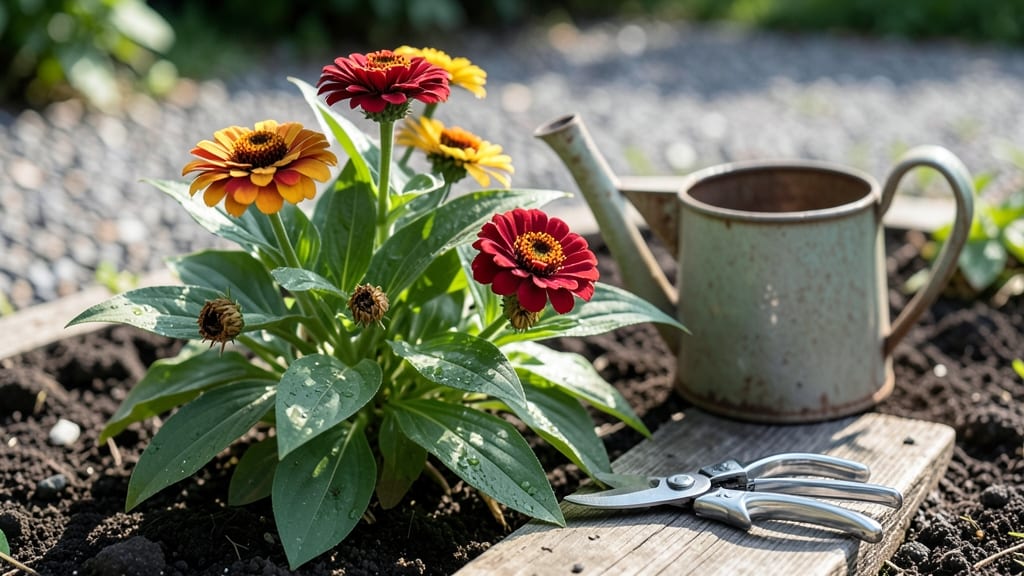
Understanding deadhead flowers meaning reveals a simple yet powerful gardening technique: removing faded blooms redirects a plant's energy toward stronger stems and fresh buds, extending its flowering season while improving overall plant vigor.
This practice essentially tricks the plant into focusing on growth rather than seed production. When you remove spent blooms, you're preventing the plant from wasting energy on developing seeds—energy that could instead fuel new flower production. 🌸 The result?
Healthier plants that bloom longer and more abundantly. For instance, roses and zinnias respond particularly well to regular deadheading, often producing a second flush of flowers if done consistently throughout the growing season.
What's fascinating is how this technique varies by plant type. Annuals like petunias and marigolds benefit from frequent deadheading to maintain their compact shape and continuous blooms, while perennials like coneflowers and black-eyed Susans may only need occasional pruning to encourage new growth.
The key is timing—always remove blooms just as they begin to fade, before they set seed.
💡 In This Article
- How Deadheading Stimulates Plant Growth
- Step-by-Step Deadheading Guide for Common Flowers
How deadheading stimulates plant growth
Here's what's actually happening when you remove spent blooms: the plant's natural survival instinct kicks in. When a flower fades, it signals the plant to shift resources toward seed production—a process that requires significant energy. By deadheading, you're essentially interrupting this cycle before it begins.
This prevents the plant from allocating up to 40% of its stored nutrients to seed development, nutrients that could instead fuel new flower buds. The hormonal shift is dramatic—ethylene production (the plant's aging hormone) drops sharply, which delays senescence (the aging process) in surrounding foliage.
Let's look at the science behind this. When you snip off a faded bloom, you're also removing the flower's receptacle where seeds would form. This triggers a cascade effect: the plant perceives fewer reproductive demands and redirects its energy toward vegetative growth—thicker stems, more leaves, and stronger root systems.
For example, a petunia plant deadheaded weekly can produce 30-50% more blooms over a season compared to one left to seed naturally.
The key difference between annuals and perennials becomes clear here: annuals like zinnias have one growing season to reproduce, so they need frequent deadheading to keep blooming, while perennials like peonies store energy in their roots and respond better to selective pruning.
What most people don't realize is how this technique affects the plant's water uptake. Removing spent blooms reduces the plant's overall surface area, which can decrease water loss by up to 15% during hot days. This is particularly important for drought-prone areas.
The new growth stimulated by deadheading also has finer cell walls, making it more efficient at absorbing water and nutrients from the soil. You'll notice this in the shinier leaves and faster growth rate that follows proper deadheading—these are visual signs of the plant's improved metabolic efficiency.
The timing of deadheading matters too. Removing blooms just as they begin to fade (when petals start turning brown but haven't yet formed seed pods) gives the plant the longest window to redirect energy.
If you wait too long, the plant may have already allocated resources to seed development, making the effort less effective. For instance, roses respond best when deadheaded immediately after the bloom opens, while impatiens benefit from removing entire spent stems down to the next leaf node.
The difference in response shows how plant biology varies even among flowering species.
Consider these key factors when applying this technique: the growth habit of your plant determines how aggressively you should prune. Delicate stems like those of snapdragons need careful finger-pinching, while robust plants like hollyhocks can handle more aggressive shearing.
The seasonal timing also shifts—spring deadheading encourages early blooms, while summer pruning extends the flowering season. For example, a zinia plant deadheaded in July will often produce new blooms by August, while one left unpruned may go dormant by early summer.
What's particularly satisfying about this technique is how quickly you'll see results. Within 7-14 days of proper deadheading, many plants show visible signs of new growth—smaller buds forming at the stem bases or fresh leaves emerging from the center.
This rapid response demonstrates how efficiently plants can reallocate resources when given the right signals. The visual transformation from a plant struggling with seed production to one bursting with new blooms is one of gardening's most rewarding experiences.