Blooming
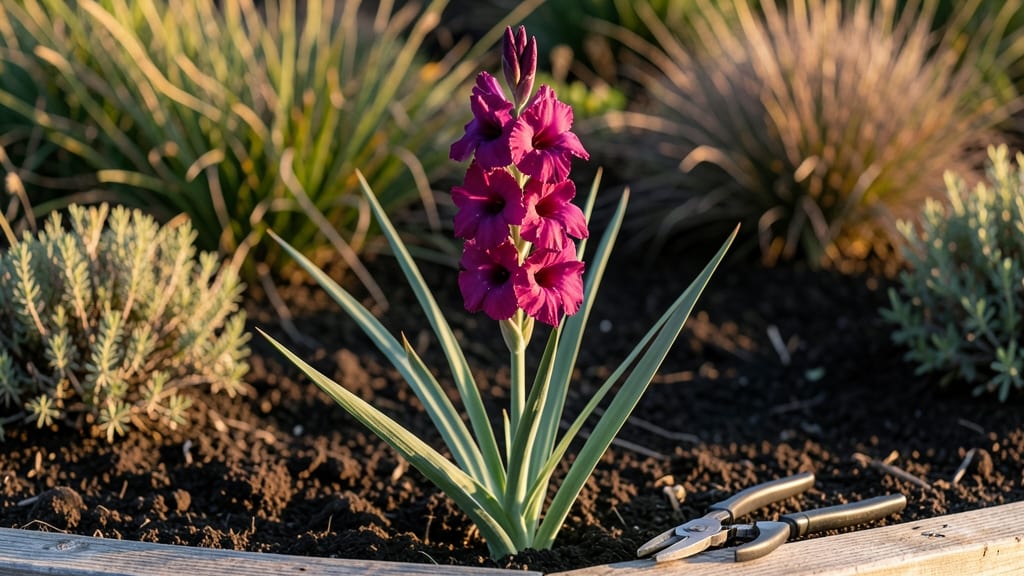
Gladioli bloom in late summer through fall 🌸, turning your garden into a vertical rainbow when timed right—but getting their flowering season perfect takes more than luck.
If you’ve ever dreamed of a garden bursting with bold, sword-like blooms, timing is everything—gladioli thrive when planted and cared for at the precise moment their flowering season aligns with your climate.
Miss the window, and you’ll miss out on their dramatic, show-stopping displays that last weeks longer than most summer flowers.
In USDA Zone 6a, like much of the Midwest, the ideal bloom window stretches from early July through September, but the exact timing depends on when you plant those corms. Too early, and you’ll get leggy stems before the heat kicks in; too late, and frost steals your show.
Here’s how to align your planting schedule with your region’s climate, extend the season with simple tricks, and ensure your gladioli put on a longer, brighter show than your neighbors’.
Gladioli flowering season by month: when and where they bloom best
Gladioli transform gardens with their vibrant, sword-shaped blooms that appear like magic when timed right. Their flowering season spans late summer to fall, but the exact timing depends on your USDA hardiness zone and variety.
In Zone 7-9, you’ll see blooms as early as July, while cooler Zones 3-6 may not peak until August or September. Understanding these patterns helps you plan for continuous color all season.
To maximize your gladioli’s show-stopping displays, you’ll need to know when to plant, which varieties bloom early or late, and how to extend their season in cooler climates.
Whether you’re in Florida’s heat or New York’s chill, this month-by-month guide ensures your garden stays bursting with blooms from summer’s end to frost. Let’s dive into the perfect timing for your region.
summary-table
| Month | Bloom Stage | USDA Zones 3-6 | USDA Zones 7-9 | Pro Tip |
|---|---|---|---|---|
| April | Planting | After last frost | Early April | Use early varieties like 'White Friendship' |
| May | Early sprouts | Sprouts emerge | Active growth | Mulch to retain moisture |
| June | Mid-season blooms | Early blooms start | Peak blooms begin | Deadhead spent blooms for more flowers |
| July | Peak blooms | Full bloom | Best display | Stagger plantings for extended color |
| August | Late blooms | Late varieties bloom | Blooms taper off | Fertilize with low nitrogen for fall blooms |
| September | Post-bloom care | Prepare for frost | Remove foliage | Dig up corms before frost |
In USDA Zones 3-6, gladioli often bloom later due to cooler temperatures. Plant early varieties like 'Attraction' or 'Black Star' in May to ensure blooms by mid-July. These zones benefit from staggered plantings every 2-3 weeks to extend the season.
For example, planting one batch in late May and another in early June can give you blooms through early September.
Warmer Zones 7-9 offer a longer flowering window. Start planting as early as March for blooms by June. Varieties like 'Green Wave' and 'Pink Parfait' thrive here and can continue blooming until October with proper care.
In these zones, you can even plant gladioli in fall for winter blooms in mild climates like Southern California or Florida.
To extend the season in cooler climates, try these tricks: Use black plastic mulch to warm the soil, plant near south-facing walls for extra heat, or choose late-season varieties like 'Drum Major' or 'Picasso'.
These varieties naturally bloom later and can push your season into early October in Zone 6 or beyond.
Deadheading spent blooms is a game-changer for prolonging your gladioli’s display. By removing faded flowers, you encourage the plant to produce more blooms instead of focusing energy on seed production. This simple step can add 2-3 extra weeks of vibrant color to your garden. Pair
How to time gladioli planting for maximum blooms: pro tips by region
Timing your gladioli planting depends entirely on your climate zone. In warm climates like Florida or Southern California, you can plant as early as February, while gardeners in the Midwest or Northeast must wait until after the last frost—typically late April or May.
The key is aligning your planting with soil temperatures of at least 60°F (15°C) for optimal root development.
Gladioli thrive in full sun and well-drained soil, but their flowering season shifts dramatically based on region. In cooler zones, early-season varieties bloom in July-August, while late-season types extend color into September-October. Meanwhile, warm-zone gardeners enjoy blooms from May through November with staggered plantings.
Soil temperature is your best indicator—plant when it consistently stays above 60°F (15°C). Use a soil thermometer to avoid rushing the process, as cold soil delays growth. In frost-prone areas, cover young shoots with frost cloth if nighttime temps dip below 40°F (4°C).
Staggered plantings are the secret to nonstop color. Space out your gladioli corms every 2-3 weeks for a continuous bloom cycle. For example, plant early varieties in May, mid-season types in June, and late bloomers in July. This ensures your garden stays vibrant from summer through fall.
| Factor | Early-Season Varieties | Late-Season Varieties |
|---|---|---|
| Planting Time | Late April–May (after frost) | June–July (for fall blooms) |
| Bloom Window | July–August | September–October |
| Soil Temp Requirement | 60°F+ (15°C+) | 55°F+ (13°C+) |
| Staggering Tip | Plant every 2 weeks | Plant every 3 weeks |
| Frost Risk | High (cover shoots) | Low (hardier varieties) |
In warm climates, avoid planting too early—gladioli corms rot in soggy, cool soil. Instead, wait until March-April when temperatures stabilize. Use mulch to retain moisture and prevent soil crusting, which can strangle young roots.
For container gardening, opt for dwarf varieties like 'Pyramid' or 'Attraction' to save space while still enjoying their bold blooms.
Deadhead spent blooms immediately to redirect energy into new flowers and extend the flowering season. In temperate zones, this can add 2-3 weeks of color, while warm-zone gardeners may see blooms lasting until first frost.
Pair early bloomers with late varieties like 'Green Star' or 'Black Pearl' for a seamless transition from summer to fall.
Don’t forget to dig up and store corms after foliage yellows—this protects them from winter kill.
In USDA Zones 8-10, you can leave them in the ground with a thick layer of mulch, but in colder areas, cure corms in a dry, dark place for 2-3 weeks before storing them in pearlite or sand at 40-50°F (4-10°C) until next spring.