
Shrubs
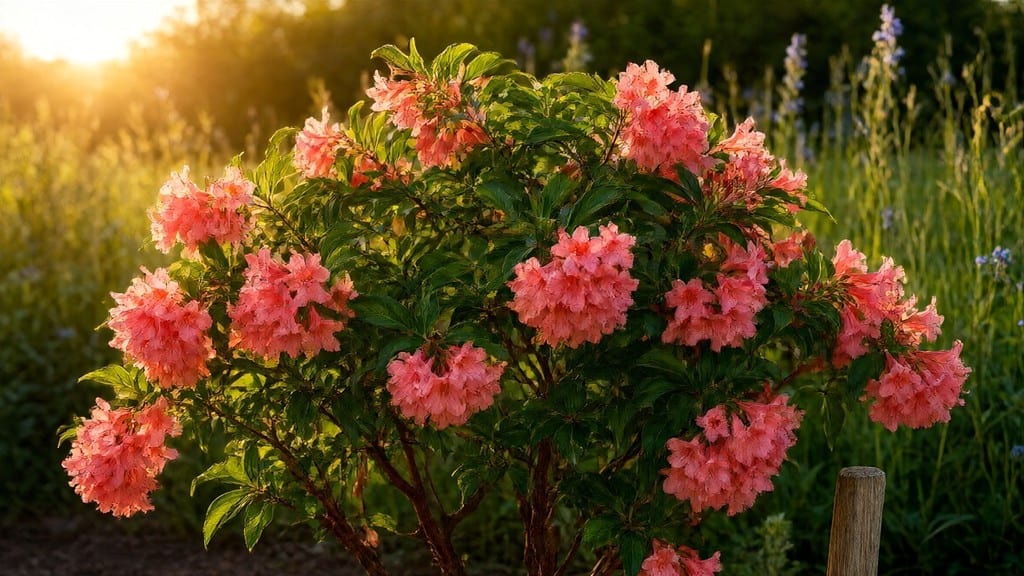
Finding shrubs that thrive year-round without fuss changed my garden forever. 🌿 These hardy flower shrubs bring bold blooms, lush foliage, and seasonal interest while demanding almost no pruning—just a few strategic cuts to keep them looking their best.
The secret lies in their natural resilience and adaptability to different climates, from cold-hardy varieties for Zone 3 to heat-tolerant picks for Zone 9.
My top choices—like butterfly bush, abelia, and spirea—deliver four seasons of color: spring’s fresh foliage, summer’s vibrant blooms, fall’s fiery leaves, and winter’s architectural stems. They handle drought, pests, and even poor soil better than most annuals, making them the ultimate low-maintenance stars.
Plant them where they’ll get morning sun or dappled shade, and pair them with perennials that complement their height and bloom times.
Imagine a garden where you spend less than 30 minutes a year on pruning yet still enjoy a showstopping display. These shrubs stay compact, bloom reliably, and attract pollinators without needing constant attention.
The payoff? A front yard or backyard that looks effortlessly polished, no matter the season. Let’s dive into the specifics of how to place and pair them for maximum impact.
Whether you’re filling a small corner or creating a privacy screen, these shrubs adapt to any space. Group them in odd-numbered clusters for natural flow, and layer them with ground covers to soften their base.
The key is choosing varieties that match your climate zone—once you do, you’ll have decades of color with almost no upkeep. Here’s how to pick the perfect ones for your garden.
📚 In This Guide
- What you need
- Instructions
- Tips and common mistakes
- Wrapping up and next steps
What you need
- ● Hardy flower shrubs: Choose 3–5 varieties (e.g., Potentilla, Spirea, Weigela, or Dwarf Butterfly Bush)—select disease-resistant, cold-hardy types for your USDA zone.
- ● High-quality potting soil or garden soil: 5–10 cubic feet (for in-ground planting) or 2–3 bags (for containers). Opt for well-draining, organic-rich soil (amend with compost if needed).
- ● Organic mulch: 2–3 inches of shredded bark, pine straw, or wood chips (covers 10 sq. ft. per bag). Pro tip: 🌡️ Mulch retains moisture and regulates soil temp!
- ● Slow-release fertilizer: 10–20 lb. bag (10-10-10 or 5-10-5 NPK ratio). Apply at planting and again in early spring.
- ● Watering can or hose with adjustable nozzle: 2–3 gallons capacity (for gentle, deep watering).
- ● Garden trowel or hand shovel: For digging small holes (6–12 inches deep).
- ● Pruning shears: Bypass-style (sharp, 5–7 inch blades) for clean cuts. Pro tip: ✨ Sterilize blades with rubbing alcohol between cuts to prevent disease!
- ● Gloves: Heavy-duty work gloves (one pair) to protect hands from thorns or rough bark.
- ● Measuring tape or ruler: For spacing plants 2–6 feet apart (depends on mature size).
- ○ Optional: Wheelbarrow (for hauling soil/mulch).
- ● Soil pH test kit (to check acidity/alkalinity).
- ● Container pots (15–20 gallon size, if growing in pots).
- ● Sunlight assessment: Identify a spot with 6+ hours of direct sun (most hardy shrubs thrive here) or partial shade (for varieties like Pieris japonica).
- ● Drainage check: Ensure the area isn’t prone to standing water (shrubs hate soggy roots!).
- ● Local climate knowledge: Verify your USDA hardiness zone (e.g., Zones 3–9 for most hardy shrubs).
- ● Timing: Plant in early spring or fall (avoid extreme heat/cold).
Step-by-Step guide to planting hardy flower shrubs for season-long beauty
Here’s how to establish four stunning, low-maintenance shrubs that thrive year after year.
🌱 Step 1: Select and Prepare Planting Sites
Choose shrubs suited to your USDA hardiness zone—my top picks are butterfly bush (Buddleia), potentilla (Dasiphora), spirea (Spiraea), and weigela (Weigela). Each needs 6+ hours of sunlight daily, but avoid late-afternoon shade, which invites fungal issues. Test soil pH with a kit—most prefer 6.0-7.0, though potentilla tolerates slightly acidic soil.
Dig holes twice as wide as the root balls but only as deep. Loosen roots gently if circling the root ball—this prevents girdling as the plant matters. Amend heavy clay soil with 2 inches of compost mixed into the bottom of the hole. Water the hole deeply before planting to settle the soil and reduce air pockets.
🪴 Step 2: Plant Shrubs at the Right Depth and Spacing
Place each shrub so the top of the root ball sits 1 inch above ground level—this prevents crown rot from sitting water. Space them 3-6 feet apart, depending on mature size: butterfly bush (6 ft), potentilla (4 ft), spirea (5 ft), and weigela (5 ft). Fill the hole halfway, water again, then top with soil, tamping lightly to eliminate air gaps.
Mulch with 3 inches of shredded bark (keep it 6 inches away from stems) to retain moisture and regulate soil temperature. Avoid fresh mulch—it can smother roots. Water deeply immediately after planting to help soil settle around roots, and repeat every 2-3 days until new growth appears.
☀️ Step 3: Water and Fertilize for Establishment
For the first 4-6 weeks, water deeply once a week—aim for 1-1.5 gallons per shrub—to encourage deep root growth. Overhead watering can spread disease, so use a soaker hose or drip irrigation at the base. Reduce frequency after 6 weeks once roots establish, but monitor soil moisture—top 2 inches should feel dry before watering again.
Apply a balanced, slow-release fertilizer (10-10-10) at planting time, then again in early spring. Avoid high-nitrogen fertilizers—they promote leafy growth at the expense of flowers. Instead, opt for a phosphate-rich formula (5-10-5) to boost blooming. I skip fertilizing in fall to let plants harden off for winter.
✂️ Step 4: Prune Strategically for Year-Round Interest
Prune butterfly bush and weigela immediately after flowering to shape and encourage next year’s blooms. Cut back one-third of the oldest stems to the ground to rejuvenate growth. For potentilla and spirea, prune late winter or early spring before new growth emerges—this removes dead wood and opens the center for airflow.
Never prune into old wood—always leave healthy buds at the base of cuts. Sterilize pruners with rubbing alcohol between cuts to prevent spreading disease. Thin out crowded branches to improve sunlight penetration, but avoid heavy pruning in fall—it stimulates tender growth that won’t survive winter.
⏰ Step 5: Protect and Maintain Through Seasons
In winter, mulch an additional 2 inches around the base of shrubs in zones below 5 to insulate roots. Remove mulch in early spring once temperatures rise above 40°F to prevent overheating. Watch for aphids or spider mites—spray with neem oil at the first sign of infestation to avoid chemical residues.
Renew mulch annually in early spring to replenish organic matter. Divide and transplant overcrowded clumps every 3-5 years in spring. With minimal pruning and consistent care, these shrubs will reward you with vibrant blooms from spring to fall and sturdy structure year-round.
Tips & tricks for perfect hardy flower shrubs
These game-changing tips will help you establish shrubs that thrive year-round with minimal effort—because nobody has time for high-maintenance plants!
Soil Preparation Secret: Before amending heavy clay soil with compost in Step 1, mix in 10% perlite or coarse sand to improve drainage. Clay soil holds too much moisture, which can lead to root rot—this simple adjustment prevents that while still providing nutrients. I've seen shrubs struggle in pure clay, but adding these amendments makes all the difference.
Planting Depth Visual: In Step 2, use a small stake or marker to indicate the 1-inch height above ground level before placing your shrub. This simple trick ensures you don't bury the crown too deeply, which is a common mistake that leads to crown rot. I've had to dig up and replant shrubs because they were planted too deep—don't make my mistake!
Watering Strategy: For the critical 4-6 week establishment period in Step 3, I recommend setting up a drip irrigation system on a timer for 15 minutes daily. This delivers consistent moisture without the risk of overhead watering spreading disease. The key is deep watering that encourages roots to grow downward rather than staying shallow.
Pruning Timing: When pruning butterfly bush and weigela immediately after flowering in Step 4, look for last year's blooms—they'll be the oldest stems. Cut these back to the ground while leaving the newer, more vigorous stems. This rejuvenation technique ensures next year's flowers will be even more abundant. I've seen people prune too lightly and miss this opportunity for dramatic improvement.
Pro Tips for Hardy Flower Shrubs
- These game-changing tips will help you establish shrubs that thrive year-round with minimal effort—because nobody has time for high-maintenance plants!
- Soil Preparation Secret: Before amending heavy clay soil with compost in Step 1, mix in 10% perlite or coarse sand to improve drainage.
- Planting Depth Visual: In Step 2, use a small stake or marker to indicate the 1-inch height above ground level before placing your shrub.
Frequently asked questions
Got questions about keeping your garden vibrant with hardy flower shrubs? We’ve got answers to help you grow with confidence!
What’s the easiest hardy flower shrub for beginners?
Start with Butterfly Bush (Buddleia) or Dwarf Fothergilla—both thrive in tough conditions, require minimal pruning, and bloom reliably. Butterfly Bush attracts pollinators, while Fothergilla offers stunning fall foliage. Perfect for low-maintenance gardens!
Can hardy flower shrubs survive harsh winters?
Shrubs like Purple Smoke Bush (Cotinus) and Weigela are cold-hardy (USDA Zones 4–9) and handle snow, ice, and freezing temps. For extra protection, mulch the base in late fall and avoid heavy pruning before winter. Pro tip: Evergreens like Boxwood stay green year-round!
When is the best time to prune hardy flower shrubs?
Timing depends on the shrub:
- Spring bloomers (e.g., Lilac, Forsythia): Prune right after flowering to encourage next year’s blooms.
- Summer/fall bloomers (e.g., Abelia, Hydrangea): Prune in late winter or early spring before new growth starts.
How do I keep pests away from my hardy flower shrubs?
Prevention is key! Start with healthy soil (rich in compost) and proper spacing for airflow. Watch for aphids or spider mites—spray affected areas with neem oil or insecticidal soap. For tougher pests like Japanese beetles, handpick them early in the day. Attracting beneficial insects (like ladybugs) helps too!
What’s a great alternative if I don’t want flowers?
If you love shrubs but prefer foliage over flowers, try Heuchera (Coral Bells) for vibrant leaves or Ninebark (Physocarpus) for textured, exfoliating bark. Both are hardy, low-maintenance, and add year-round interest. Dwarf Mondo Grass is another stunning, evergreen option for ground cover!
Wrapping up and next steps
Ready to transform your garden with hardy flower shrubs that thrive with minimal fuss?
These resilient plants bring year-round beauty while saving you time and effort—perfect for busy gardeners or anyone craving low-maintenance charm. 🌸 Whether you’re drawn to vibrant blooms or lush foliage, the right shrubs can turn your outdoor space into a vibrant, effortless retreat.
Take the next step: pick one or two shrubs that suit your climate and style, then grab your pruners and get planting! Start small, experiment, and watch your garden flourish with color and confidence—no green thumb required.