
Pruning
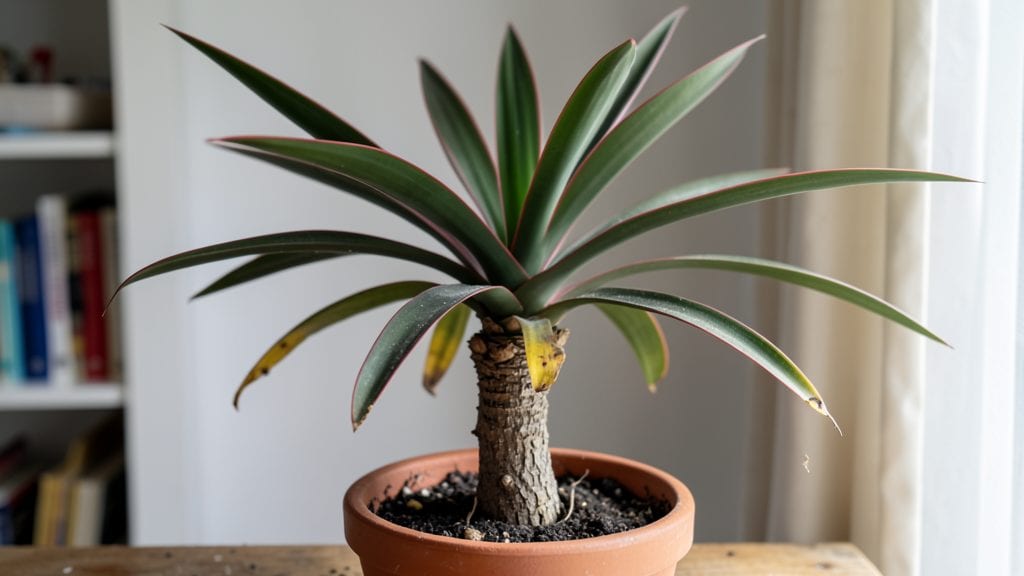
The dragon tree flower is one of those rare moments when your houseplant throws a surprise party. 🌿 I’ve watched mine bloom only twice in five years, but when it does, the creamy-white, star-shaped flowers smell like vanilla and last for weeks.
The key to coaxing more of these rare blooms lies in how—and when—you prune.
Dragon trees (Dracaena marginata) are picky about their routine. They need bright, indirect light to flower, soil that drains well but stays slightly moist, and a cool winter (below 65°F) to trigger blooming.
Most people overwater or underlight them, and the plant responds by throwing all its energy into leaves instead of flowers. Pruning at the right time—just after blooming—redirects that energy for next season’s show.
With the right approach, you’ll see new growth spurt within 6-8 weeks of pruning, and those growth tips often become next year’s flower stems. The plant stays compact, the leaves stay vibrant, and you’ll finally get the blooms you’ve been waiting for. It’s not instant, but it’s worth the patience.
Works for indoor dragon trees in any sunny room or outdoor plants in USDA Zones 10-12 with winter protection. Here’s how to make it happen without killing your plant in the process.
📚 In This Guide
- What you need
- Instructions
- Tips and common mistakes
- Wrapping up and next steps
What you need
- ○ Pruning shears – Sharp, bypass-style (for clean cuts on stems up to ½ inch thick). Optional: Small hand pruners for finer trimming.
- ● Gloves – Heavy-duty gardening gloves (dragon tree sap can irritate skin!).
- ● Disinfectant – Rubbing alcohol (70%+) or hydrogen peroxide (3%) to sterilize tools between cuts.
- ● Pruning saw – Only if needed for thicker stems (over 1 inch in diameter).
- ● Rubbing alcohol wipes – For quick tool sanitization mid-pruning.
- ● Timing – Prune in late winter or early spring (before new growth starts) for best results.
- ● Healthy plant check – Ensure your dragon tree is free of pests/diseases (isolate if needed).
- ● Watering schedule – Water lightly 1–2 days before pruning (soil should be slightly moist but not soggy).
- ● Sunlight access – Confirm your tree gets bright, indirect light (critical for post-pruning recovery).
- ● ✨ Mark your cuts – Use a pencil or tape to outline where to trim for symmetry.
- ● 🌡️ Work in cool conditions – Avoid pruning in peak sun or extreme heat to reduce stress on the plant.
- ● 🔥 Save cuttings – Propagate trimmings in water or soil for new dragon trees!
Step-by-step guide to pruning your dragon tree for continuous blooms
Your dragon tree (Dracaena marginata) can reward you with stunning blooms—if you prune it right. Here’s how to shape it for year-round floral displays without stressing the plant.
🌿 Step 1: Identify and Remove Dead or Damaged Growth
Start by inspecting your dragon tree for any brown, yellow, or mushy stems—these are dead or dying and need immediate removal. Use clean, sharp pruning shears to cut just above a leaf node (the bump where leaves attach) to encourage new growth. This step keeps the plant healthy and prevents disease from spreading.
If a branch is completely dried out, you can trim it back to the main trunk. The goal here is to remove anything that’s not contributing to the plant’s vitality. Healthy stems should feel firm and green, never soft or discolored. I always prune in the morning when the plant is hydrated and ready for recovery.
✂️ Step 2: Prune for Shape and Airflow
Dragon trees grow tall and leggy, but you can encourage bushier growth by cutting back some of the longer stems. Look for branches that are growing too close together or blocking airflow—these should be thinned out. Use your pruning shears to make clean cuts at a 45-degree angle about ½ inch above a leaf node to promote new shoots.
This is where the magic happens: pruning for shape isn’t just about aesthetics. Better airflow reduces humidity around the leaves, which prevents fungal issues like root rot. I like to step back and visualize the plant’s natural form—imagine a balanced, slightly tapered silhouette. If a branch is growing inward, trim it to open up the center.
🌱 Step 3: Encourage New Growth with Strategic Cuts
To trigger flowering, focus on pruning the tips of your dragon tree’s branches. Cut just above a leaf node where you want new growth to sprout. This redirects the plant’s energy toward producing side shoots, which are more likely to bear flowers. I usually do this in early spring, but you can prune lightly in late summer too.
Watch for new shoots emerging within 4-6 weeks—they’ll appear as small, tight clusters of leaves at the pruned spots. These baby branches are your future blooms. If your dragon tree isn’t flowering, it might need a bigger prune to shock it into action. Just don’t go overboard—never remove more than ⅓ of the plant’s foliage at once.
💧 Step 4: Post-Pruning Care for Recovery and Blooms
After pruning, give your dragon tree a deep watering to help it recover. Water until 1 inch of soil feels moist at the surface, but avoid soggy soil—dragon trees prefer to dry out slightly between waterings. Place the plant in bright, indirect light for a few days to reduce stress. Direct sun right after pruning can scorch new growth.
Fertilize lightly with a balanced 20-20-20 liquid fertilizer diluted to half strength. This gives the plant the nutrients it needs to heal and prepare for flowering. I wait 2-3 weeks after pruning before fertilizing—this lets the cuts seal over and prevents root burn. Keep humidity moderate (around 40-50%) to support new growth without inviting pests.
☀️ Step 5: Monitor for Flowering Cues and Adjust Light
Dragon trees typically bloom in late winter or early spring, but with proper pruning, you might see flowers year-round. Look for small, tubular flower clusters emerging from the leaf nodes—this is your signal that the pruning worked! If you don’t see blooms after 3-4 months, your plant may need more light. Move it to a south- or west-facing window or supplement with a grow light for 12-14 hours daily.
Once flowers appear, avoid heavy pruning nearby—this can stress the plant and cause it to drop buds. Instead, focus on maintaining the shape and health of the surrounding branches. I like to rotate the plant every few weeks to ensure even growth and light exposure. With consistent care, your dragon tree will keep blooming for years.
Tips & tricks for pruning your dragon tree flower
A few simple tricks can transform your dragon tree from a lanky stem to a lush, flowering beauty. Here's how to get the most out of your pruning efforts without stressing the plant.
Timing is Everything: Prune in early spring for the best results, as this aligns with the plant's natural growth cycle. If you must prune in late summer, keep it light—just trim back a few tips to encourage new growth. Avoid heavy pruning in fall or winter when the plant is already dormant. I've found that new shoots appear within 4-6 weeks of proper pruning, so timing matters more than you might think!
The Technique That Changed Everything: When making cuts in Step 2, use your pruning shears to create a 45-degree angle about ½ inch above a leaf node. This angle helps water run off the cut, preventing rot. Also, make sure your shears are sharp—dull blades crush the stems, causing more damage than the cut itself. I sterilize my tools with rubbing alcohol between cuts to prevent spreading any potential pathogens.
Post-Pruning Care is Critical: After pruning, don't just stick the plant back in its usual spot. Give it a deep watering to help recovery, then place it in bright, indirect light for a few days. I've seen plants scorch when moved back to direct sun too soon—wait until new growth appears before exposing it to stronger light. Also, wait 2-3 weeks before fertilizing to let the cuts heal properly.
Light Boost for Blooms: If your dragon tree isn't flowering after 3-4 months, it likely needs more light. Move it to a south- or west-facing window or supplement with a grow light for 12-14 hours daily. I've had great success with LED grow lights placed about 12 inches above the plant. Just remember to rotate the plant every few weeks for even growth.
Pro Tips for Dragon Tree Flower
- A few simple tricks can transform your dragon tree from a lanky stem to a lush, flowering beauty.
- Timing is Everything: Prune in early spring for the best results, as this aligns with the plant's natural growth cycle.
- The Technique That Changed Everything: When making cuts in Step 2, use your pruning shears to create a 45-degree angle about ½ inch above a leaf node.
Frequently asked questions
Got questions about nurturing your dragon tree’s stunning blooms? Here are answers to the most common queries—so you can keep those Dracaena marginata flowers thriving year-round!
How often should I prune my dragon tree to encourage flowers?
Prune your dragon tree once a year, ideally in early spring (March–April), to promote healthy growth and blooms. Focus on removing overcrowded or leggy branches—never cut more than 25% of the plant at once. This timing mimics natural growth cycles and signals the plant to redirect energy toward flowering. Pro tip: Use sterilized tools to prevent disease!
Why isn’t my dragon tree flowering, even after pruning?
Dragon trees (Dracaena marginata) are slow to flower indoors—they often need 5+ years of maturity and bright, indirect light (like a south- or west-facing window). Other culprits? Pruned dragon tree branches root easily in water or soil. Here’s how: Dragon tree flowers (white, star-shaped inflorescences) are not strongly fragrant—they emit a subtle, sweet scent (think vanilla or honey). Blooms last 2–4 weeks per cluster, but the plant may produce multiple cycles yearly if conditions are ideal. Fun fact: The flowers attract pollinators like bees, even indoors! If patience isn’t your thing, try these flowering indoor plants with similar care needs:
If it’s still stubborn, check for pests (like spider mites) or nutrient deficiencies (yellow leaves = nitrogen deficiency).
Can I propagate dragon tree cuttings from pruned branches?
Warning: Dragon tree sap is mildly toxic—wear gloves if sensitive!
Are dragon tree flowers fragrant? Do they last long?
What’s a good alternative if my dragon tree won’t bloom?
Tip: All three thrive in bright, indirect light—just like dragon trees!
Wrapping up and next steps
The dragon tree flower is a stunning reward for patience and care—its rare, fragrant blooms make every effort worthwhile! 🌸 By mastering the art of pruning at the right time, with the right tools, and with gentle hands, you’ll unlock year-round beauty and healthier growth.
Whether you’re a seasoned gardener or just starting, these secrets will help you nurture a thriving dragon tree.
Ready to transform your pruning routine? Grab your tools, pick a sunny day, and give your dragon tree the love it deserves—your blooms will thank you! 🌿 For extra inspiration, explore more pruning tips or share your progress with fellow plant lovers online.