
Flowers
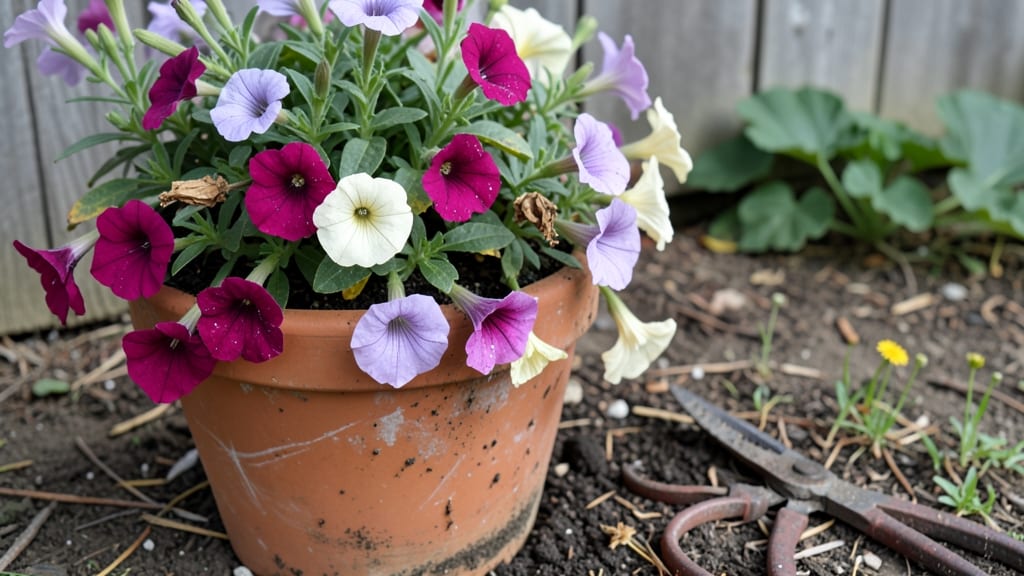
Mastering petunia flower maintenance ensures vibrant blooms all season—just focus on watering right, pinching back growth, and feeding them properly.
I’ve grown petunias in full sun for years, and the ones that last until frost are the ones I treat like lazy gardeners: water when the soil’s dry, snip off spent blooms, and feed them every few weeks.
The difference between a few weeks of color and months of vibrant blooms is in the details.
Most people overwater or underfeed, and both kill petunias faster than pests ever could. You’ll need a watering can or drip system to keep soil consistently moist but not soggy, a pair of clean scissors for deadheading, and a balanced fertilizer—like 10-10-10—to apply every 4-6 weeks.
The key is consistency: petunias reward regular care with nonstop blooms, but they’ll sulk if you neglect them for even a week.
By summer’s end, your petunias will look like they’re on steroids—thick stems, glossy leaves, and clusters of blooms so dense you’ll forget they’re annuals. The secret isn’t fancy techniques; it’s showing up with your shears and a little plant food at the right times.
Even in heatwaves, they’ll keep producing if you stay on top of the basics.
Works for hanging baskets, window boxes, or in-ground beds—just adjust watering frequency based on container size. Once you master these steps, you’ll have petunias that outlast every other annual in your garden. Let’s get those blooms going strong!
📚 In This Guide
- What you need
- Instructions
- Tips and common mistakes
- Wrapping up and next steps
What you need
- ● Petunia plants: Start with healthy seedlings or mature plants (check labels for varieties like Grandiflora, Multiflora, or Milliflora for your needs).
- ● Well-draining potting mix: 5–10 gallons, depending on pot size (avoid heavy garden soil—opt for a blend with perlite or coconut coir for aeration).
- ● Containers: Hanging baskets (8–12 inches deep) for cascading varieties.
- ● Window boxes or planters (10–14 inches wide) for bushier types.
- ○ Self-watering pots (optional but highly recommended for busy gardeners!).
- ● Fertilizer: Balanced liquid fertilizer (10-10-10 or 20-20-20) for regular feeding.
- ● Slow-release granules (e.g., Osmocote) for long-term nourishment.
- ● Pruning shears: Sharp, clean pair (sterilize with rubbing alcohol between plants to prevent disease).
- ● Watering can or hose with a gentle nozzle: Petunias hate soggy roots—aim for 1 inch of water per week (adjust for heat/drought).
- ● Mulch: Organic options like straw or shredded bark to retain moisture and suppress weeds.
- ● Grow lights: For indoor petunias (LED full-spectrum bulbs, 12–16 hours/day).
- ● Plant supports: Small stakes or cages for tall varieties (e.g., Grandiflora).
- ● Aspirin or hydrogen peroxide: 1 crushed aspirin per gallon of water (monthly) to boost immunity or a 3% solution for sterilizing pruners.
- ● Epsom salt: 1 tablespoon per gallon of water (biweekly) for magnesium-rich blooms.
- ● Compost tea: Homemade or store-bought for a natural nutrient boost.
Step-by-Step petunia flower maintenance for continuous blooms
Here's how to keep your petunias vibrant and flowering all season with simple, consistent care.
Water Deeply at the Base Early in the Day
Petunias thrive when watered deeply at the soil level rather than from above. Use a watering can or hose attachment to deliver water directly to the base of the plant, aiming for about 1 inch of water per week. This encourages strong root development and prevents fungal diseases that splash upward from the soil.
Water in the morning between 7 and 9 AM to allow foliage to dry completely by evening. Wet leaves at night create a perfect environment for powdery mildew. You'll know you're watering correctly when the top 2 inches of soil feel dry to the touch—this is the ideal moisture level for petunias.
Remove Spent Blooms Weekly to Encourage More Flowers
Deadheading is the secret to nonstop blooms. Pinch or snip off faded flowers with clean, sharp scissors just above the next set of leaves or buds. I do this every 5-7 days during peak bloom season, which keeps the plant focused on producing new flowers instead of setting seed.
Don't skip this step—petunias naturally shift energy to seed production when flowers fade. You'll notice within a week that new buds form more quickly and the plant looks fuller. For trailing varieties, simply pluck off spent blooms by hand while inspecting for pests at the same time.
Feed Every 2-3 Weeks With Balanced Fertilizer
Use a 10-10-10 or 20-20-20 water-soluble fertilizer diluted to half strength every 2-3 weeks during the growing season. This provides the nitrogen for leaf growth while supporting the phosphorus and potassium needed for abundant blooms. Always water the soil thoroughly before applying fertilizer to prevent root burn.
Stop fertilizing in late summer when night temperatures drop below 60°F—petunias go semi-dormant and won't use additional nutrients. You'll see the difference immediately after feeding: leaves stay dark green, stems remain sturdy, and flowers appear larger and more vibrant than neighbors who aren't fertilized regularly.
Prune Leggy Growth Monthly for Bushier Plants
Petunias sometimes grow leggy, especially in low-light conditions. Use clean pruning shears to trim back overgrown stems by one-third in early summer and again in midsummer. Cut just above a leaf node where new growth can emerge. This encourages the plant to branch out and become fuller.
Don't be afraid to prune aggressively—petunias are resilient and will bounce back quickly. After pruning, apply a light feeding to support new growth. You'll notice within 10-14 days that fresh, compact growth fills in the gaps where you cut back.
Protect From Pests and Adjust for Seasonal Changes
Inspect plants weekly for aphids, spider mites, or whiteflies, which love petunias. Spray with neem oil solution (1 tablespoon per quart of water) at the first sign of pests. For larger infestations, use insecticidal soap—both are petunia-safe and work quickly when applied in the early morning.
In fall, when temperatures drop below 50°F, reduce watering and stop fertilizing. Cut back plants by half to encourage new growth in spring. You'll know it's time to overwinter if leaves yellow and growth slows—this is normal and signals the plant's natural cycle.
Tips & tricks for petunia flower maintenance
A few simple tricks can transform your petunias from occasional bloomers to nonstop flowering stars. The secret lies in consistency and attention to detail that keeps these plants thriving.
Morning Watering Matters: The 7-9 AM watering window in Step 1 is crucial because it gives foliage plenty of time to dry before evening. I've seen powdery mildew appear within days when petunias stay wet overnight. For container plants, check soil moisture by inserting your finger 2 inches deep—this is your best indicator of when to water, not just following the weekly inch measurement. In hotter climates, you might need to water every 5 days instead of weekly, but always aim for that morning routine.
Deadheading Technique: When removing spent blooms every 5-7 days, focus on clean cuts just above the next set of leaves or buds. I use small floral scissors for precision, but even your fingernails work in a pinch. The key is to remove the entire flower stem down to the leaf node—this prevents the plant from wasting energy on seed production. For trailing varieties, pinch off faded blooms while gently inspecting the undersides of leaves for early signs of pests like aphids.
Fertilizer Timing: The 2-3 week feeding schedule works best when you fertilize right after watering thoroughly. This prevents root burn from concentrated fertilizer. I've found that applying fertilizer in the morning gives the plant time to absorb nutrients before evening temperatures drop. In late summer, when nights dip below 60°F, petunias naturally slow down—this is when you should stop fertilizing entirely, even if the plant still looks healthy. The leaves will tell you when it's time: they'll start yellowing slightly, signaling the plant's natural dormancy period.
Pruning Strategy: When pruning leggy growth by one-third in early summer, always cut just above a leaf node where new growth emerges. This encourages branching rather than just removing foliage. I've seen dramatic transformations within 10-14 days after aggressive pruning—what looked like overgrown messes turned into bushy, compact plants. For container petunias, you can even prune lightly every 3-4 weeks to maintain shape without waiting for leggy growth to develop.
Pro Tips for Petunia Flower Maintenance
- A few simple tricks can transform your petunias from occasional bloomers to nonstop flowering stars.
- Morning Watering Matters: The 7-9 AM watering window in Step 1 is crucial because it gives foliage plenty of time to dry before evening.
- Deadheading Technique: When removing spent blooms every 5-7 days, focus on clean cuts just above the next set of leaves or buds.
Frequently asked questions
Got questions about keeping your petunias thriving? You’re not alone!
Here are answers to the most common concerns—from pruning to pests—so you can enjoy vibrant blooms all season long.
How often should I water petunias?
Water petunias consistently—about 1 inch per week (more in extreme heat or sandy soil). Aim for morning watering to reduce evaporation and fungal risks. Let the top inch of soil dry out between waterings, but avoid soggy roots. Pro tip: Mulch around the base to retain moisture!
When and how do I prune petunias for more blooms?
Prune dead or wilted flowers daily (deadheading) to encourage new blooms. For a bigger trim, cut back leggy stems by one-third in early summer or after flowering slows. Use clean, sharp shears and avoid over-pruning—petunias bounce back quickly! Best time: Early morning on dry plants.
What are the most common petunia pests, and how do I treat them?
Watch for aphids, spider mites, and earwigs. For mild infestations, spray with neem oil or soapy water. Severe cases? Use insecticidal soap or introduce ladybugs. Prevent pests by keeping plants healthy, spacing them well, and removing debris. Act fast!
Can petunias survive winter? How do I overwinter them?
Most petunias are annuals, but some perennial varieties (like Petunia × atkinsiana) tolerate light frost. For tender types, dig up plants before frost, trim, and pot them indoors in bright light. Reduce watering and fertilize lightly until spring. Alternative: Treat them as annuals and replant next year!
Why aren’t my petunias blooming as much as they should?
Lack of blooms often signals over-fertilizing (too much nitrogen), poor sunlight, or stress (under/overwatering). Ensure they get 6+ hours of sun, use a balanced bloom fertilizer (like 10-10-10), and deadhead regularly. Bonus: Pinch back young plants to encourage bushier growth!
Wrapping up and next steps
With just a little care, your petunias can burst into vibrant blooms all year long—and you’ve got all the tools to make it happen! 🌸 From deadheading to soil prep, these simple steps ensure your flowers stay healthy, happy, and show-stopping.
Don’t let maintenance feel overwhelming; think of it as a rewarding chat with your plants, not a chore.
Ready to level up your garden game? Start by grabbing those shears and giving your petunias a quick trim this weekend—your future blooms will thank you! 🌿 For extra inspiration, bookmark this guide or share it with fellow plant lovers. Happy gardening!