
Tools
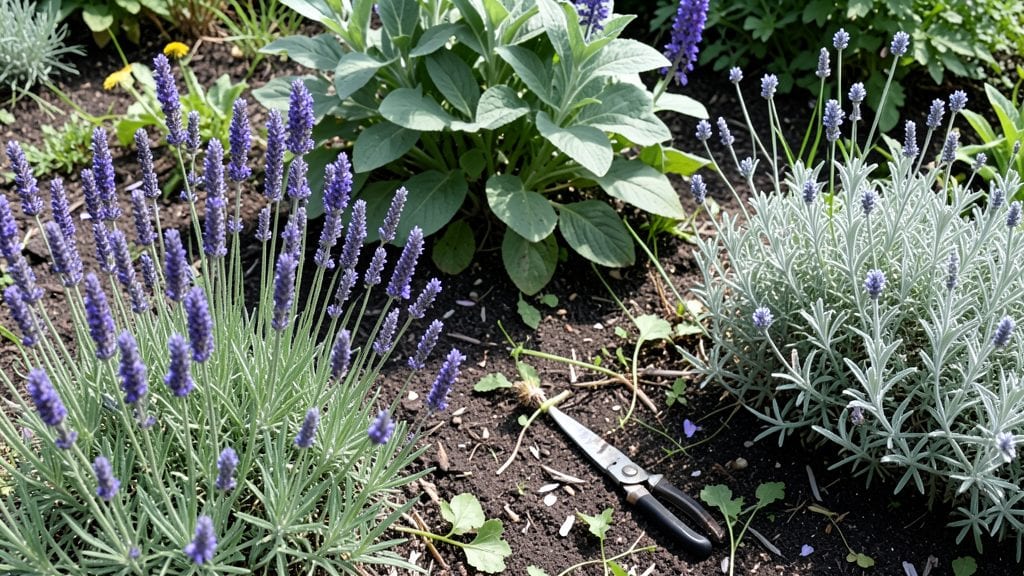
My flower garden maintenance routine starts with a simple truth: the best blooms come from consistent care, not constant panic. 🌸 The plants that look effortless in catalogs actually thrive because someone tends to them—pruning at the right time, watering deeply but not drowning roots, and adjusting for each season’s quirks.
I’ve learned that skipping even one task doesn’t ruin everything, but neglect turns into a snowball by summer.
You don’t need fancy tools—just sharp pruners, a watering can with a rose attachment, and a 5-minute daily check for pests or wilting. Most problems (like powdery mildew or aphids) catch early with a quick look. The real secret?
Matching your routine to the plant’s natural rhythm: deadheading spent blooms keeps energy in the roots, while winter mulch protects roots from freezing-thaw cycles. Even my black thumb can’t kill these with these basics.
By next spring, you’ll see vibrant green foliage and blooms that last weeks longer than your neighbors’. The soil stays rich, pests stay minimal, and you’ll actually enjoy the process instead of dreading it.
No more guilt when you miss a day—just small, steady steps that add up to a garden that feels like a reward, not a chore.
This works for perennial borders, annual containers, or cutting gardens—adjust the timing for your zone, but the principles stay the same. Let’s make maintenance the part of gardening you look forward to, not the part that stresses you out.
📚 In This Guide
- What you need
- Instructions
- Tips and common mistakes
- Wrapping up and next steps
What you need
- ● Hand Trowel: Medium-sized (6-8 inches) for digging, planting, and weeding.
- ● Pruning Shears: Bypass-type (sharp, 5-7 inches) for clean cuts on stems and deadheading.
- ● Garden Gloves: Durable, breathable pair (e.g., leather or reinforced fabric) to protect your hands.
- ● Watering Can or Hose with Adjustable Nozzle: 1-2 gallons capacity for precision watering.
- ● Garden Fork: Heavy-duty (12-18 inches) for aerating soil and turning compost.
- ● Rake: Medium-sized (12-18 inches) for leveling soil and removing debris.
- ● Mulch: Organic (e.g., shredded bark, straw) or inorganic (e.g., gravel) to retain moisture and suppress weeds. Quantity: 2-3 inches spread over garden beds.
- ● Compost or Fertilizer: Balanced, slow-release (10-10-10 NPK ratio) or organic options like worm castings.
- ● Spray Bottle or Garden Sprayer: For targeted application of fungicides, insecticides, or foliar feeds (16-32 oz).
- ● Wheelbarrow or Garden Cart: For hauling soil, mulch, or tools (2-3 cubic feet capacity).
- ● Knee Pads: For comfort during long gardening sessions.
- ● Soil pH Test Kit: To monitor and adjust soil acidity (ideal pH: 6.0-7.0 for most flowers).
- ● Hose End Timer: Automates watering schedules to save time and water.
- ● Garden Kneeler: Folding pad for easy access to low-growing plants.
- ● LED Garden Lights: Solar-powered for evening ambiance and pest deterrence.
- ● Bird Feeder or Bat House: Encourages natural pest control.
Step-by-Step guide to year-round flower garden maintenance
Here’s how to keep your blooms thriving with minimal effort—no overcomplicating, just effective care.
🌿 Step 1: Inspect and Prune for Seasonal Health
Start by scanning your garden for dead or diseased foliage. Grab your pruning shears and snip away anything brown, yellow, or wilted—this prevents pests and diseases from spreading. I always prune in the morning when plants are hydrated and the air is cooler, which reduces stress on the flowers.
For perennials, cut back last year’s growth by about one-third to encourage fresh, vigorous growth. If you’re unsure what to trim, look for stems that are hollow or have blackened spots—those are clear signs they need to go. Avoid pruning blooming plants unless necessary, as it can shorten their flowering season.
💧 Step 2: Water Deeply and Adjust for the Season
Water your garden early in the morning or late in the evening to minimize evaporation and fungal risks. Aim for 1-1.5 inches of water per week, delivered deeply so roots grow strong. I use a rain gauge or tuna can to measure—just place it in the garden to track how much water you’re actually giving the plants.
Adjust your watering based on the season: in summer, you might need to water every other day, while winter often requires less. Check the soil with your finger—if the top 2 inches feel dry, it’s time to water. Mulch helps retain moisture, so apply a 2-3 inch layer around plants (but keep it away from stems to avoid rot).
☀️ Step 3: Fertilize and Feed for Continuous Blooms
Feed your flowers with a balanced, slow-release fertilizer every 6-8 weeks during the growing season. I like to use a 10-10-10 or 20-20-20 formula for general blooms, but roses and hydrangeas often need a phosphorus-heavy blend to encourage flowers. Sprinkle the granules evenly over the soil and water them in thoroughly.
For organic options, compost tea or worm castings work wonders—just mix them into the top 2 inches of soil or use as a foliar spray. Avoid over-fertilizing, as this can lead to lush foliage but fewer blooms. If you notice leaves growing faster than flowers, cut back on the nitrogen and focus on phosphorus and potassium instead.
✂️ Step 4: Deadhead and Encourage More Blooms
Deadheading—removing spent blooms—is the secret to keeping flowers coming back. Use your fingers or small pruners to pinch off faded flowers just above a set of leaves or new growth. This redirects the plant’s energy into producing more blooms instead of setting seed.
For annuals like petunias or zinnias, deadhead daily to keep them flowering nonstop. Perennials like coneflowers or black-eyed Susans need deadheading after the first flush of blooms to encourage a second round. If you’re growing seed heads for winter interest (like dahlias or cosmos), skip deadheading and let them go to seed naturally.
🪴 Step 5: Protect and Prepare for Seasonal Changes
As seasons shift, adjust your care routine. In fall, cut back perennials that have finished blooming and add a layer of mulch to insulate roots from freezing temperatures. For tender plants like geraniums or salvias, dig them up and pot them for winter indoors if you live in a cold climate.
In late winter, check for winter damage—look for brown, mushy stems or blackened foliage. Prune back any dead growth, but leave healthy stems intact. This is also the time to plan for next season: divide overcrowded perennials, move plants that aren’t thriving, and add new varieties to keep your garden exciting.
Tips & tricks for perfect flower garden maintenance
Here's what I learned the hard way after struggling with my own garden—these tricks make all the difference between a struggling patch and a showstopper.
Seasonal Pruning Wisdom: In Step 1, when you're cutting back perennials by one-third, focus on removing stems that cross or rub against each other. This improves air circulation and prevents fungal diseases. I also recommend sterilizing your pruning shears with rubbing alcohol between cuts—this stops the spread of plant diseases from infected to healthy stems.
Watering Technique: For Step 2, the 1-1.5 inches weekly measurement can be tricky to visualize. Think of it as a slow, deep drink rather than frequent light sips. I use a simple rain gauge or even a tuna can buried in the soil to track moisture levels accurately. Watering at soil level (not overhead) also helps prevent fungal issues on leaves.
Fertilizer Application: When applying fertilizer in Step 3, scatter the granules evenly and water them in thoroughly. I've found that using a spreader makes this much easier and ensures even coverage. For organic options, compost tea can be applied every 2-3 weeks instead of the 6-8 week schedule for synthetic fertilizers—just dilute it to half-strength to avoid burning plants.
Deadheading Strategy: In Step 4, I've discovered that deadheading at the right time makes all the difference. For annuals, do it daily during peak bloom season. For perennials, wait until after the first flush of blooms before starting. I keep a small pair of pruners handy specifically for this task—it's quicker than using fingers and prevents accidental damage to new growth.
Pro Tips for Flower Garden Maintenance
- Here's what I learned the hard way after struggling with my own garden—these tricks make all the difference between a struggling patch and a showstopper.
- Seasonal Pruning Wisdom: In Step 1, when you're cutting back perennials by one-third, focus on removing stems that cross or rub against each other.
- Watering Technique: For Step 2, the 1-1.5 inches weekly measurement can be tricky to visualize.
Frequently asked questions
Got questions about keeping your flower garden thriving year-round?
You’re not alone! Here are answers to the most common concerns—so you can enjoy lush blooms without the stress.
How often should I water my flower garden?
Watering needs vary by plant, climate, and soil type. As a general rule, aim for 1–1.5 inches of water per week (including rainfall). Early morning is best to reduce evaporation and fungal risks. Use a soaker hose or drip irrigation for deep, consistent moisture—shallow watering encourages weak roots.
When is the best time to prune flowers?
Timing depends on the plant! For spring-blooming flowers (like lilacs or peonies), prune right after flowering to avoid cutting off next year’s buds. Summer-bloomers (e.g., roses or zinnias) can be trimmed in early spring or after blooming. Always use clean, sharp shears and remove no more than ⅓ of the plant at once.
What’s the fastest way to get rid of pests naturally?
Start with prevention: Healthy soil (rich in compost) and diverse plantings deter pests. For mild infestations, try:
- Neem oil spray (disrupts insect life cycles)
- Soap spray (1 tbsp mild soap + 1 quart water)
- Beneficial insects like ladybugs or lacewings
How do I protect flowers in extreme heat or cold?
Heat: Mulch heavily (2–3 inches) to retain moisture, water deeply in the early morning or evening, and provide shade cloth for delicate blooms. Cold: Cover tender plants with frost cloth or blankets (remove during the day to avoid moisture buildup). Group heat-loving plants together to create a microclimate.
Can I use mulch in a brand-new flower garden?
Mulch is a game-changer for new gardens—it suppresses weeds, retains moisture, and regulates soil temperature. Use 2–4 inches of organic mulch (like shredded bark or straw) and keep it 2 inches away from plant stems to prevent rot. Avoid fresh wood chips, as they can tie up nitrogen.
Wrapping up and next steps
Maintaining a vibrant flower garden is all about consistency, patience, and a little love—not perfection! 🌸 By staying ahead of seasonal tasks, protecting your plants from pests, and keeping your tools sharp, you’ll enjoy a year-round burst of color with minimal stress. Remember: even the most stunning gardens start with a single seed!
Ready to take the next step? Start small:
- Pick one task from this guide to tackle this weekend.
- Set a reminder for seasonal check-ins (like pruning or fertilizing).
- Celebrate your progress—every bloom is a win!