Tools
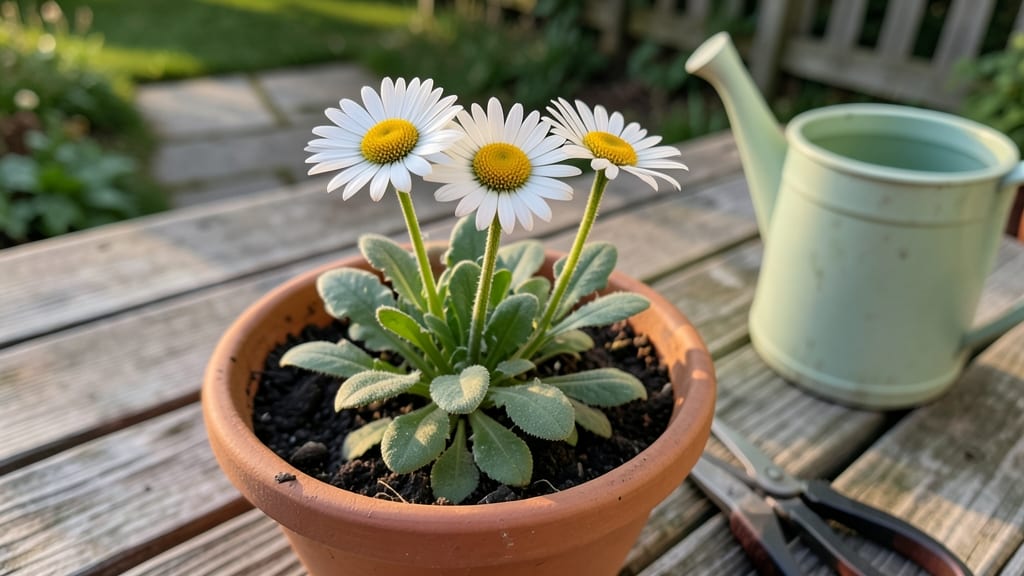
The cheerful garden daisy flower transforms any yard into a low-maintenance paradise, blooming from spring to frost with almost no effort from you—just like mine has for years.
The secret is their adaptability: they thrive in full sun or partial shade, in poor soil or rich beds, and even in containers.
Start by choosing varieties like Shasta daisies for classic looks or Gerbera daisies for bold pops of color. Mix them with lavender for a fragrant border, or tuck them alongside ornamental grasses for a breezy, natural feel.
They’re the ultimate low-maintenance star—just deadhead spent blooms to encourage more flowers, and watch them fill in gaps over time.
You’ll end up with a garden that feels alive all season long, from the first bright blooms in spring to the last golden petals in fall. The colors—white, pink, yellow, or deep red—create stunning contrasts with foliage like hostas or ferns.
Plus, they’re cut-and-come-again, so you’ll have fresh flowers for bouquets all summer.
Works in cottage gardens, wildflower meadows, or even as a single statement plant in a pot. Here’s how to make them the backbone of your design—without the fuss.
📚 In This Guide
- What you need
- Instructions
- Tips and common mistakes
- Wrapping up and next steps
What you need
- ● Garden daisy plants: Choose between Oxeye daisies (perennial) or Shasta daisies (hardy annuals). Buy 3–5 plants for a small border or 10+ for a full garden bed.
- ● Potting mix or garden soil: Well-draining, loamy soil (amend with compost if needed). 5–10 gallons per planting session.
- ● Fertilizer: Balanced 10-10-10 or slow-release granular fertilizer (follow package rates).
- ● Mulch: 2–3 inches of organic mulch (straw or shredded bark) to retain moisture.
- ● Garden trowel or hand shovel (for transplanting).
- ● Gloves (to protect hands from thorns or soil).
- ● Watering can or hose with a gentle spray nozzle (daisies hate soggy roots!).
- ● Pruning shears (for deadheading spent blooms).
- ● Measuring tape or ruler (to space plants 12–24 inches apart).
- ● Plant markers (to label varieties if testing multiple types).
- ● Epsom salt (sprinkle occasionally for magnesium boosts and vibrant blooms).
- ● Drip irrigation kit (for automated watering in dry climates).
- ● Companion plants: Marigolds or lavender (repel pests naturally!).
How to grow garden daisy flowers for year-round color
Here's the simple method I've used to keep daisies blooming beautifully with minimal effort.
Choose the Right Location and Prepare the Soil
Daisies thrive in full sun—at least 6-8 hours daily—so pick a spot that gets plenty of sunlight. I recommend testing your soil first with a simple pH test kit. Daisies prefer a slightly acidic to neutral soil with a pH between 6.0 and 7.0. If your soil is too heavy or clay-like, mix in 2-3 inches of compost from your list to improve drainage and aeration.
Loosen the soil to a depth of 12 inches with a garden fork or tiller. This helps roots spread easily and prevents waterlogging. If your soil drains poorly, add a layer of sand or perlite to improve texture. The goal is soil that feels light and crumbly when moistened—like a well-worn sponge.
Plant Daisy Seeds or Transplants at the Right Time
For best results, plant daisy seeds in early spring after the last frost date in your area. If you're using transplants, they can go in the ground 4-6 weeks before the last frost. Space them 12-18 inches apart to give each plant room to grow. Dig a hole twice as wide as the root ball and place the plant so the top of the roots sits just below soil level. This ensures the plant doesn’t sink deeper over time.
Gently firm the soil around the roots to remove air pockets, then water deeply to settle everything. You’ll know it’s done right when the soil surface looks slightly compacted but not hardened. If planting from seed, press the seeds ¼ inch deep into the soil and cover lightly. Keep the soil consistently moist until germination, which usually takes 10-14 days.
Water and Fertilize for Healthy Growth
Water daisies once a week during the first growing season, giving them about 1 inch of water per week. The key is deep watering—soak the soil to 6 inches deep rather than giving light, frequent waterings. This encourages strong root development. You’ll know you’re doing it right when the top 2 inches of soil feel dry before the next watering.
Fertilize lightly in early spring with a balanced, slow-release fertilizer (like 10-10-10). Apply it according to the package instructions, usually every 4-6 weeks during the growing season. Too much fertilizer can lead to lush foliage but fewer blooms. If you notice leaves growing faster than flowers, cut back on fertilizer and focus on watering.
Prune and Maintain for Continuous Blooms
Deadhead spent blooms by snipping off the faded flowers just above the nearest set of healthy leaves. This encourages the plant to produce more flowers instead of going to seed. I do this every 2-3 weeks during the blooming season. Pruning also keeps the plant looking tidy and prevents it from becoming leggy.
In late fall, cut back the stems to 2-3 inches above the ground. This helps the plant stay neat over winter and promotes fresh growth in spring. Mulch around the base with 2-3 inches of organic mulch to protect roots from freezing temperatures. Remove the mulch in early spring to allow the soil to warm up.
Overwinter and Prepare for Next Year
Daisies are hardy perennials, meaning they’ll come back year after year with proper care. In USDA zones 5-9, they’ll survive winter with minimal protection. In colder zones, add a thick layer of mulch (up to 4 inches) around the base of the plant to insulate the roots. Avoid heavy mulching in spring, as it can trap moisture and cause rot.
In early spring, remove any dead or damaged foliage and apply a light layer of compost to replenish nutrients. You’ll see new growth emerge in 3-4 weeks, signaling it’s time to resume regular watering and care. With this routine, your daisies will reward you with year-round color with almost no effort.
Tips & tricks for perfect garden daisy flower care
These simple tricks will help you keep your daisies blooming beautifully with almost no extra effort.
Location is Everything: When selecting your spot in Step 1, pay attention to afternoon shade patterns. While daisies love full sun, they can handle up to 2 hours of afternoon shade in hotter climates. This prevents wilting while still ensuring those vibrant blooms. I've found that planting near taller shrubs or trees provides just enough shade during peak heat hours without sacrificing sunlight for morning growth.
Soil Preparation Secret: In Step 1, don't just loosen the soil—think about its texture. Aim for soil that crumbles easily between your fingers when moist. If your native soil is particularly dense, consider creating raised beds with a mix of native soil, compost, and sand. This creates the perfect airy environment daisies love, especially in areas with heavy clay. The 2-3 inches of compost mentioned is perfect, but if you're planting multiple daisies, consider amending the entire planting area for consistent results.
Timing Your Planting: For Step 2, if you're unsure about your last frost date, check with your local cooperative extension office—they have precise data for your area. I've learned that planting too early can expose young plants to unexpected cold snaps. For seeds, consider starting them indoors 4-6 weeks before your last frost date if your growing season is short. This gives you a head start on the 10-14 day germination period mentioned in the instructions.
Watering Wisdom: The once-a-week watering in Step 3 works best when done consistently. I've found that watering in the early morning gives plants time to absorb moisture before the heat of the day. If you notice the top 2 inches of soil staying damp longer than usual, your soil might be retaining too much moisture. In this case, reduce to every 10 days and monitor plant health closely to avoid root rot.
Pro Tips for Garden Daisy Flower
- These simple tricks will help you keep your daisies blooming beautifully with almost no extra effort.
- Location is Everything: When selecting your spot in Step 1, pay attention to afternoon shade patterns.
- Soil Preparation Secret: In Step 1, don't just loosen the soil—think about its texture.
Frequently asked questions
How often should I water garden daisies?
Garden daisies are drought-tolerant once established, but consistent moisture is key during their first growing season. Water deeply once a week (or more in extreme heat) to encourage strong roots. Pro tip: Water at the base to avoid wetting the leaves, which can lead to fungal issues.
When is the best time to plant garden daisies?
For year-round color, plant in early spring (after the last frost) or early fall (6-8 weeks before the first frost). This gives roots time to establish before harsh weather. If you're in a mild climate, you can even plant in late winter for early blooms!
Can garden daisies grow in pots or containers?
Garden daisies thrive in containers as long as the pot has drainage holes and is at least 12 inches deep. Use well-draining soil and fertilize lightly every 4-6 weeks. Bonus: Container-grown daisies are perfect for patios or balconies and can be moved to extend their bloom time.
What pests or diseases should I watch for?
Garden daisies are generally pest-resistant, but keep an eye out for aphids, slugs, or powdery mildew. If you spot aphids, spray with water or use insecticidal soap. For slugs, set out beer traps or use organic slug bait. Prevention tip: Ensure good airflow and avoid overhead watering to deter mildew.
How do I keep garden daisies blooming all season?
Deadhead spent blooms regularly to encourage more flowers! Also, fertilize lightly with a balanced, slow-release fertilizer in spring and mid-summer. Extra tip: If blooms slow down in heat, give them a little shade and extra water to keep them happy.
Are garden daisies annuals or perennials?
Most garden daisies (like the popular Gerbera daisy) are perennials in warm climates but are often grown as annuals in cooler regions. If you live in a colder area, treat them as annuals or bring potted plants indoors during winter. Fun fact: Some varieties, like the Shasta daisy, are true perennials and will return year after year!
Wrapping up and next steps
The garden daisy is your perfect low-maintenance companion—packed with cheerful charm, resilience, and year-round beauty that requires almost no effort.
Whether you’re a seasoned gardener or a newbie with a green thumb, these sun-loving blooms thrive in even the trickiest conditions, turning your outdoor space into a vibrant, worry-free oasis. 🌼
Ready to transform your yard? Start by picking your favorite variety—white, pink, or classic yellow—and plant a few this weekend! With just a little sunlight and occasional watering, you’ll soon enjoy a garden that feels like a breath of fresh air (literally). Happy planting! 🌱✨