
Tools
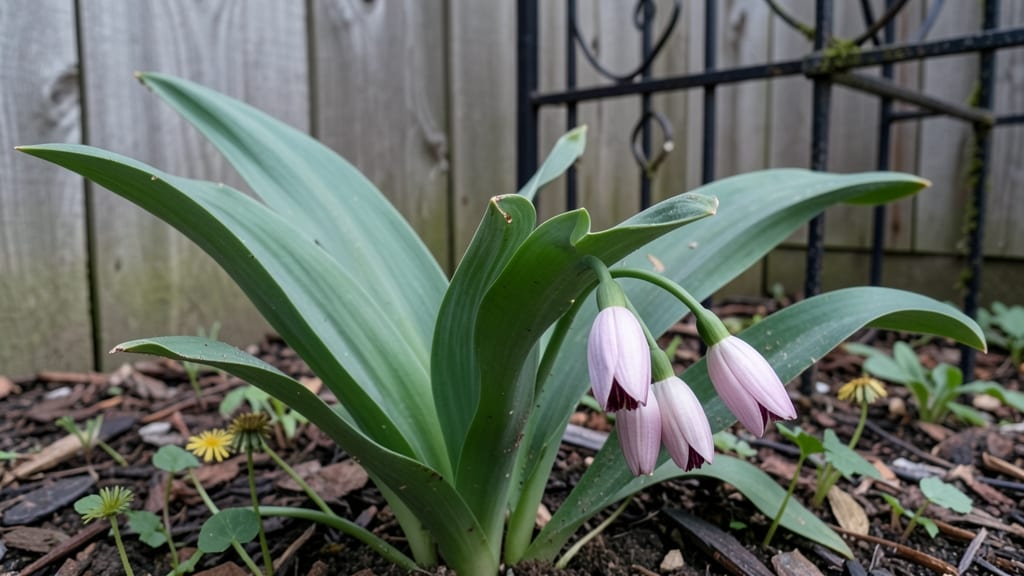
Transforming your garden into a gothic flower garden isn’t just about plants—it’s about crafting a mood. The right dark romance blooms, like deep purple irises or velvety black callas, set the stage for an atmosphere that feels like stepping into a Victorian novel.
I’ve designed mine to evoke mystery, with every path and shadow telling a story, and it’s become the quietest corner of my yard where the world feels suspended in time.
The key lies in layering textures and colors that whisper rather than shout. Wrought-iron trellises draped with thorny roses create natural frames for overgrown vines, while weathered stone arches add a touch of ancient grandeur.
Even the foliage plays a role—silver leaves glinting in the moonlight or deep green variegated plants add depth without competing with the dramatic blooms. This isn’t a garden you visit; it’s a garden you linger in, where every petal and shadow feels intentional.
Year-round interest is what makes this design truly magical. In spring, the black callas and deep red poppies steal the show, while summer brings in the purple irises and silver foliage for contrast.
As autumn arrives, dried flowers and bare branches take center stage, their skeletal beauty echoing the gothic theme. By winter, evergreens and frost-kissed statues keep the drama alive, proving that even in the quietest season, this garden refuses to fade into the background.
Inspiration comes from real-world examples—think of the haunting beauty of Keukenhof’s Gothic Garden or the overgrown elegance of Victorian-era cemeteries. The goal isn’t perfection; it’s atmosphere. Let your garden tell a story, one where every plant, every structure, and every shadow contributes to the narrative.
This is where creativity meets symbolism, and the result is a space that feels like a living poem.
📚 In This Guide
- What you need
- Instructions
- Tips and common mistakes
- Wrapping up and next steps
What you need
- ● Dark & Dramatic Plants: Black Baccara roses (3-5 plants)
- ● Velvet Black Callas (5-7 tubers)
- ● Purple Statice (10-15 stems)
- ● Deep red or burgundy Dahlias (5-7 tubers)
- ● Thorny roses (e.g., Rosa 'Souvenir de la Malmaison', 2-3 plants)
- ● Moonflowers (Ipomoea alba, 5-10 seeds)
- ● Bleeding Heart (Dicentra spectabilis, 3-5 plants)
- ● Soil & Amendments: Peat moss or coconut coir (2-3 bags, 40 qt each)
- ● Compost (1-2 bags, 40 lbs)
- ● Perlite or sand (1 bag, 40 lbs, for drainage)
- ● Containers or Garden Bed: Large black or dark-colored pots (3-5, 12-18 inches deep)
- ● OR a dedicated garden bed (6’x6’ minimum for full drama)
- ● Mulch: Dark brown or black mulch (1 bag, 2-3 cubic feet)
- ● Garden trowel (for planting)
- ● Pruning shears (sharp, for shaping)
- ● Gloves (heavy-duty, for thorny plants)
- ● Watering can or hose with adjustable nozzle
- ● Measuring tape (to plan spacing)
- ● Garden fork (for amending soil)
- ○ Optional: Iron garden stakes or decorative black trellises for vertical drama
- ● Partial to full shade (4+ hours of dappled sunlight daily)
- ● Well-draining soil (critical for moisture-sensitive dark blooms)
- ● Patience! Some plants (like Black Baccara roses) take 1-2 years to fully thrive.
- ● Pro Tip: 💡 Add a few glowing solar lights or flickering LED candles for nighttime gothic vibes!
Step-by-step instructions for designing a gothic flower garden
Here's how to craft a hauntingly beautiful garden that thrives year-round with dark elegance.
Choose Your Darkest Plant Palette
Select plants with deep hues, velvety textures, and dramatic silhouettes. Black bats' wings (Actaea simplex) and purple coneflowers (Echinacea purpurea) provide striking vertical interest, while dark-leaved heucheras add rich ground cover. I always include at least one specimen of Helleborus niger—its glossy evergreen foliage and ghostly white winter blooms create instant drama.
For year-round structure, incorporate evergreen shrubs like Ilex crenata 'Dark Green' or Pittosporum tobira 'Wheeler's Dwarf'. These provide a lush, moody backdrop that lets your flowers truly stand out. Arrange plants in odd-numbered groupings—three or five—to create natural focal points that feel intentional rather than random.
Create Moody Layers Through Strategic Planting
Build depth by planting in three distinct layers: tall structural plants at the back, mid-height bloomers in the middle, and low-growing ground covers in front. I like to use Cimicifuga racemosa ('bugbane') at the back—its towering spikes reach 6 feet and create a gothic cathedral effect. Place it near a dark evergreen shrub like Taxus media 'Hicksii' to frame the vertical lines.
In the middle layer, mix 3-4 feet tall perennials like Digitalis purpurea (foxglove) and Lamium maculatum 'Purpuratum' for contrasting textures. Foxglove's bell-shaped blooms add a fairy-tale quality, while the spotted lamium provides delicate foliage interest. For the front, use Ajuga reptans 'Chocolate Chip'—its deep purple leaves spread aggressively but stay contained, creating a lush carpet.
Incorporate Gothic Architecture and Focal Points
Add purposeful elements that enhance the dark romance of your garden. A wrought-iron trellis painted in black or aged bronze lets climbing roses (Rosa 'Black Baccara') create dramatic vertical lines. Place a stone obelisk or weathered urn near the center to draw the eye upward and add architectural interest.
For seating, choose a cast-iron bench or wrought-iron chair with intricate designs—these become focal points that invite lingering. I always include at least one black metal sculpture or stone gargoyle to reinforce the gothic theme. Position these elements along pathways so they're discovered rather than immediately obvious, creating a sense of mystery as visitors explore.
Use Lighting to Enhance the Atmosphere
Install black metal bollard lights or upward-facing spotlights to highlight key plants after dark. I like to place solar-powered garden stakes near dark foliage plants—they cast long shadows that create an eerie, romantic glow. For pathways, use low-voltage LED path lights with black fixtures to guide visitors without overpowering the natural darkness.
Consider adding flickering LED candles in black hurricane vases for a magical evening effect. These can be placed on benches or near seating areas to create intimate gathering spots. The key is to use lighting that enhances the natural drama of the plants rather than competing with them—think subtle illumination rather than harsh brightness.
Maintain the Garden's Dark Elegance Year-Round
Prune plants in late winter to remove dead growth and shape new growth while the plants are still dormant. I always leave some seed heads and dried foliage through winter—they add textural interest and provide food for birds. For perennials like hellebores and heucheras, a light trim in early spring encourages bushier growth without sacrificing their natural form.
Mulch with 3-4 inches of dark bark mulch to suppress weeds and maintain soil moisture. This also creates a uniform dark ground cover that ties all the plants together. Fertilize lightly in early spring with a slow-release organic fertilizer—dark foliage plants often prefer less food than their bright counterparts, so avoid over-fertilizing which can lead to leggy, weak growth.
Tips & tricks for perfect gothic flower garden design
Creating a gothic flower garden that captivates year-round takes more than just selecting dark plants—it's about intentional design choices that elevate the atmosphere. Here are my most valuable insights to help you craft a garden that feels like stepping into a dark fairy tale.
Plant Placement Matters: When arranging your plants in odd-numbered groupings (three or five), place the tallest specimens like Cimicifuga racemosa at the back to create that gothic cathedral effect. I've found that positioning Helleborus niger near the center draws the eye upward, making it feel like a sacred focal point. The key is to create visual tension—place contrasting textures next to each other, like the velvety leaves of heucheras next to the spiky Digitalis purpurea.
Architectural Elements Create Drama: The gothic theme thrives on unexpected elements. I always recommend placing your wrought-iron trellis slightly off-center to create asymmetry—this prevents the garden from feeling too formal. For maximum impact, position your black metal sculpture or stone gargoyle where it will be discovered gradually as visitors wander through. Think about how light will play on these elements at different times of day, especially when combined with your black metal bollard lights.
Lighting Design is Non-Negotiable: The most common mistake I see is using lighting that competes with the plants rather than enhances them. For your dark foliage plants, place solar-powered garden stakes at ground level—they create long, dramatic shadows that cast an eerie glow. I've learned that flickering LED candles in black hurricane vases should be placed near seating areas rather than scattered randomly. This creates intimate gathering spots that feel like secret hideaways in a haunted forest.
Seasonal Maintenance Secrets: That 3-4 inch layer of dark bark mulch isn't just for aesthetics—it's a game-changer for year-round maintenance. I've found that dark mulch helps suppress weeds more effectively than lighter mulches, and it creates that uniform dark ground cover that ties everything together. When pruning in late winter, leave some seed heads and dried foliage through winter—they add unexpected texture and provide food for birds, which actually enhances the garden's natural drama.
Pro Tips for Gothic Flower Garden
- Creating a gothic flower garden that captivates year-round takes more than just selecting dark plants—it's about intentional design choices that elevate the atmosphere.
- Plant Placement Matters: When arranging your plants in odd-numbered groupings (three or five), place the tallest specimens like Cimicifuga racemosa at the back to create that gothic cathedral effect.
- Architectural Elements Create Drama: The gothic theme thrives on unexpected elements.
Frequently asked questions
Got questions about crafting your own Gothic Flower Garden? You’re not alone!
Whether you're curious about timing, plant choices, or troubleshooting, we’ve got you covered. Here are the answers to the most common queries—so you can dive into your darkly romantic floral world with confidence.
What are the easiest dark flowers to grow for beginners?
Start with hardy, low-maintenance options like Black Baccara roses, Queen of Night tulips, or Hellebores (Lenten roses). These thrive in partial shade, tolerate cooler climates, and add instant drama with minimal fuss. Pair them with Dahlias in deep purples or Calla lilies for extra gothic flair!
When is the best time to plant a Gothic Flower Garden?
For perennials, plant in early spring (after the last frost) or early fall—this gives roots time to establish before harsh weather. Annuals like Black Callas or Velvet Petunias can go in late spring once soil warms. Bulbs (e.g., Black Tulips) love fall planting—just mimic their natural dormancy cycle!
Can I create a Gothic Flower Garden in full sun?
Opt for sun-loving dark varieties like Black Dahlia ‘Gabriela’, Sunflower ‘Russian Black’, or Zinnias in deep red/purple. Just mulch heavily to retain moisture and water deeply 2–3 times weekly. Pair with silver foliage (e.g., Lamb’s Ear) to contrast the shadows and amplify the eerie vibe.
How do I keep pests away from my dark flowers?
Gothic gardens attract pests like aphids or slugs, but natural remedies work best! Spray neem oil on leaves weekly, or set up beer traps for slugs (bury a shallow dish filled with beer). Diatomaceous earth (food-grade) around the base deters crawling critters. Marigolds planted nearby also repel pests with their strong scent.
What if my garden doesn’t look “gothic enough”?
Layer in textural contrasts: Add black metal statues, weathered wood, or moss-covered stones. Hang wrought-iron lanterns or spiderweb garlands for ambiance. Monochromatic palettes (deep purples, blacks, and burgundies) deepen the mood—just avoid bright greens! For extra drama, prune flowers asymmetrically to mimic a wild, untamed look.
Wrapping up and next steps
A gothic flower garden isn’t just a space—it’s a mood, a statement, and a year-round masterpiece of dark elegance. 🌹⚰️ By blending moody plants, dramatic textures, and seasonal flair, you’ve unlocked a garden that thrives in mystery and beauty.
Whether you’re a seasoned gardener or a beginner with a love for the macabre, this style offers endless creativity and soul.
Ready to dive deeper? Start small—sketch a corner of your garden or browse Pinterest for gothic-inspired layouts. Then, gather your materials and let your dark green thumb bloom! 🌿✨