Tools
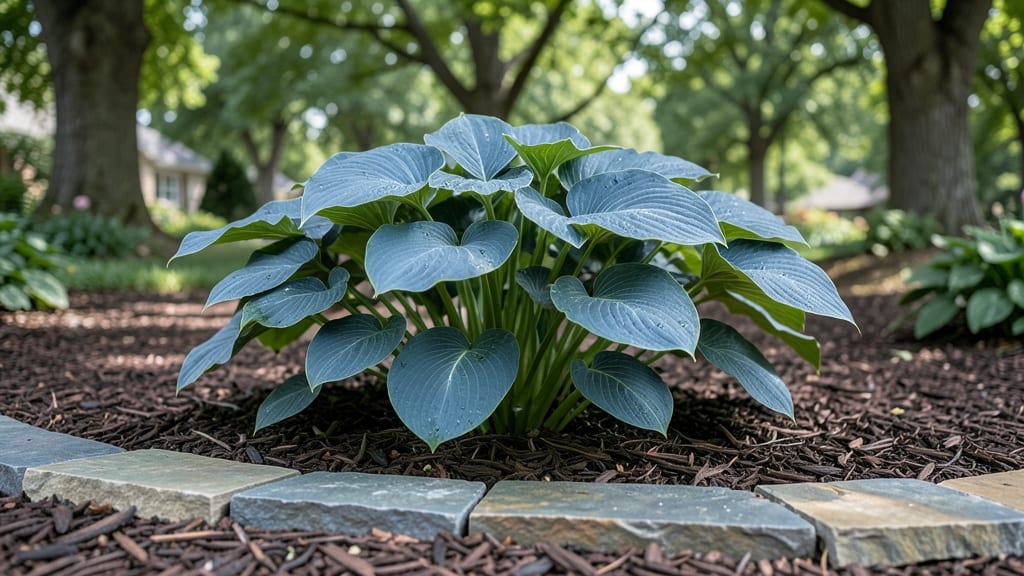
A shaded flower garden can be more dramatic than any sun-drenched border—if you choose the right plants and structure. 🌿 I learned this the hard way after my first attempt with sun-loving annuals ended in sad, leggy stems.
The secret isn’t fighting the shade; it’s working with it by layering textures, heights, and seasonal interest.
Start with moisture-loving perennials like hellebores, astilbes, and ferns for structure, then add climbers like clematis or ivy to create vertical drama without pruning every week. Mulch heavily with shredded bark to keep roots cool and retain moisture—this is non-negotiable in shady spots where soil dries slower.
The payoff? A garden that blooms from early spring through frost with almost no upkeep.
You’ll end up with a lush, textured tapestry of foliage and flowers that changes with each season—think frothy white hellebores in winter, airy astilbe plumes in summer, and fiery fall berries.
The key is mixing evergreens for winter structure with deciduous plants that offer seasonal color shifts. Even in deep shade, you can create a garden that feels alive year-round.
This approach works for woodland gardens, north-facing yards, or even under large trees. The same principles apply whether you’re designing a small corner or a full shade garden—just adjust plant sizes to fit your space. Let’s make that shady spot the most vibrant part of your yard!
📚 In This Guide
- What you need
- Instructions
- Tips and common mistakes
- Wrapping up and next steps
What you need
- ● Vertical Garden Structure: 1–3 wall-mounted planters (12"–18" deep, weather-resistant material like cedar, resin, or metal)
- ● OR 1–2 freestanding trellises or tiered shelves (adjustable height, 3–6 ft tall)
- ● Growing Medium: 2–4 5-gallon bags of high-quality potting mix (moisture-retentive, well-draining—look for "shade-tolerant" blends)
- ○ 1 bag of perlite or orchid bark (for aeration, optional but recommended for moisture control)
- ● Shade-Loving Plants: 6–12 plugs or small pots of shade-tolerant perennials (e.g., ferns, hostas, impatiens, or heucheras)
- ● 3–6 trailing vines (e.g., sweet potato vine, fuchsia, or creeping jenny for vertical drama)
- ● 1 gardening trowel (for planting)
- ● 1 pruning shears (sharp, for trimming)
- ● 1 measuring tape (to ensure even spacing)
- ● 4–6 stainless steel screws or L-brackets (for securing wall planters)
- ● 1 level (to keep structures straight)
- ○ Optional: 1 spray bottle (for misting seedlings)
- ● 1 self-watering reservoir (for low-maintenance hydration)
- ● 1 garden hose with spray nozzle (for deep watering)
- ● A shady spot (dappled light to full shade, <6 hours of direct sun daily)
- ● Access to water (a nearby spigot or portable watering can)
- ● Basic DIY skills (or a friend with a drill!)
Step-by-Step guide for designing a thriving shaded flower garden
Here's how to create a lush vertical display that blooms all year with almost no upkeep.
🌿 Step 1: Select the Perfect Shade-Tolerant Plants
Start by choosing plants that thrive in low light—hostas, ferns, impatiens, and astilbes are my go-tos. I always check the plant tags for "partial shade" labels, which means 4-6 hours of filtered light daily. Avoid sun-loving flowers like marigolds or sunflowers—they’ll wilt faster than a wilting hosta in direct sun.
For year-round interest, mix perennials (like hellebores for early spring blooms) with annuals (like begonias for summer color). I like to group plants by height: tall ferns or astilbes in the back, medium hostas in the middle, and trailing impatiens in front. This creates natural layers that draw the eye upward.
☀️ Step 2: Prepare the Soil and Site
Shaded gardens need well-draining, moisture-retentive soil—amend heavy clay with 2-3 inches of compost or 1 part perlite to improve aeration. Dig it in 12 inches deep so roots have room to spread without competing for water. I always test the soil’s moisture by squeezing a handful—if it forms a tight ball, it’s too compact.
Choose a spot with dappled sunlight (like under trees) rather than deep shade. If your area gets less than 3 hours of light, opt for shade-lovers like caladiums or cast iron plants. Mark the planting area with stakes to visualize spacing—most shade plants need 12-18 inches apart for airflow and growth.
🪴 Step 3: Install Vertical Structures for Drama
Trellises, obelisks, and wall-mounted planters transform flat ground into a living vertical tapestry. I use 4-foot obelisks for climbing fuchsias or clematis, which add 3D texture and seasonal blooms. For smaller spaces, wall pockets (like those with built-in irrigation) let you tuck in trailing plants like sweet potato vine.
Secure structures firmly—shade plants grow slower but can get top-heavy. Use galvanized hardware to avoid rust stains on light-colored walls. Place taller structures toward the back of the bed and shorter ones in front to create depth. Water the soil before planting to help roots settle into the vertical supports.
💧 Step 4: Water and Mulch for Low-Maintenance Growth
Shade gardens stay moist longer, so water deeply 2-3 times per week until plants establish roots (4-6 weeks). I check soil moisture by sticking my finger 1 inch down—if it’s dry, it’s time to water. Overhead watering can cause fungal issues, so I use a soaker hose at the base of plants.
Spread 3 inches of mulch (like shredded bark or pine needles) over the soil to retain moisture and suppress weeds. Replenish mulch annually—it breaks down faster in shaded areas. Avoid thick layers (more than 4 inches), which can smother roots and trap too much moisture.
✂️ Step 5: Prune Strategically for Year-Round Blooms
Most shade plants need minimal pruning—just remove dead leaves or spent blooms to encourage new growth. I snip back overgrown ferns in early spring to make room for fresh fronds, and trim clematis vines after they flower to keep them tidy. Never prune more than 1/3 of the plant at once, or you’ll shock the system.
For perennials like hostas, divide clumps every 3-4 years when they crowd out neighbors. Do this in early spring before new growth starts. Deadhead annuals like impatiens regularly to prompt more blooms—just pinch off faded flowers at the base with your thumb and forefinger.
Tips & tricks for perfect shaded flower gardens
Here's what I've learned after designing shade gardens that thrive without fuss.
Plant Layering Secret: The 4-6 hours of filtered light mentioned in Step 1 is your golden range—this is why I always place taller plants like ferns or astilbes at the back. They'll catch the most light while protecting shorter varieties from harsh afternoon rays. Think of it as a natural light filter system where each layer supports the next. This vertical arrangement also creates that "wow" factor when viewed from below.
Soil Test Trick: When preparing your soil in Step 2, I've found that adding 1 part perlite to heavy clay creates tiny air pockets that prevent waterlogging. Here's a quick test: squeeze a handful of amended soil—it should hold its shape but crumble easily when tapped. If it stays compact, add another inch of compost or perlite. This ensures your shade plants won't suffocate from soggy roots.
Vertical Structure Hack: For those 4-foot obelisks in Step 3, I recommend pre-drilling holes in the base before inserting into the ground. This prevents shifting when you water or when plants get top-heavy. I also like to add a small weight (like a decorative stone) to the base during the first few weeks to anchor it while roots establish. This simple step prevents the "leaning tower" look that ruins the vertical drama.
Watering Wisdom: The 2-3 times per week watering in Step 4 works perfectly, but I've noticed shade gardens actually need more consistent moisture than you'd think. Here's my routine: water deeply in the morning for 15-20 minutes, then check again at dusk. This two-time approach prevents fungal issues while keeping roots hydrated. The key is to water at soil level—not overhead—so you're not creating a humid environment that invites mildew.
Pro Tips for Shaded Flower Garden
- Here's what I've learned after designing shade gardens that thrive without fuss.
- Plant Layering Secret: The 4-6 hours of filtered light mentioned in Step 1 is your golden range—this is why I always ...
- Soil Test Trick: When preparing your soil in Step 2, I've found that adding 1 part perlite to heavy clay creates tiny...
Frequently asked questions
Got questions about creating a stunning shaded flower garden? You’re not alone! Here are some of the most common concerns—and their solutions—to help you design a thriving vertical oasis with ease.
What are the best low-maintenance flowers for shady spots?
Opt for hostas, heucheras, bleeding hearts, astilbes, or impatiens—they thrive in shade and require minimal pruning. For vertical gardens, try fuchsias or ivy to add cascading drama with little effort. Pro tip: Choose native plants for resilience!
When is the best time to plant a shaded vertical garden?
Spring (after the last frost) or early fall are ideal. Avoid summer heat stress or winter cold snaps. If planting in containers, spring gives roots time to establish before summer drought. Pro tip: Use mulch to retain moisture in shady spots!
How do I keep my shaded flowers from looking leggy or sparse?
Leggy growth often means insufficient light. Rotate containers seasonally for better exposure or supplement with grow lights (12–14 hours/day). Prune lightly in late winter to encourage bushier growth. Pro tip: Mix fast- and slow-growing plants for balanced texture!
Do shaded flowers need extra watering?
Yes! Shade slows evaporation, but root zones can stay soggy, leading to rot. Water deeply 1–2 times/week (adjust for rain) and ensure containers have drainage holes. Pro tip: Use self-watering planters for convenience!
Can I reuse materials from last year’s garden?
Clean and sterilize containers (soak in 10% bleach solution or vinegar) to prevent pests/diseases. Refresh soil with compost or slow-release fertilizer to replenish nutrients. Pro tip: Rotate plants yearly to prevent soil depletion!
Wrapping up and next steps
A shaded flower garden isn’t just possible—it’s a stunning, low-maintenance way to bring color and life to your space year-round! By leveraging vertical designs, shade-tolerant plants, and smart pruning, you’ve got a thriving oasis that requires minimal effort. 🌿
Now that you’re armed with the right materials and answers to common questions, it’s time to get growing! Start small—pick one corner, a trellis, or even a hanging planter—and let your creativity bloom. Before you know it, your shaded garden will be the envy of the neighborhood! 🌸