
Tools
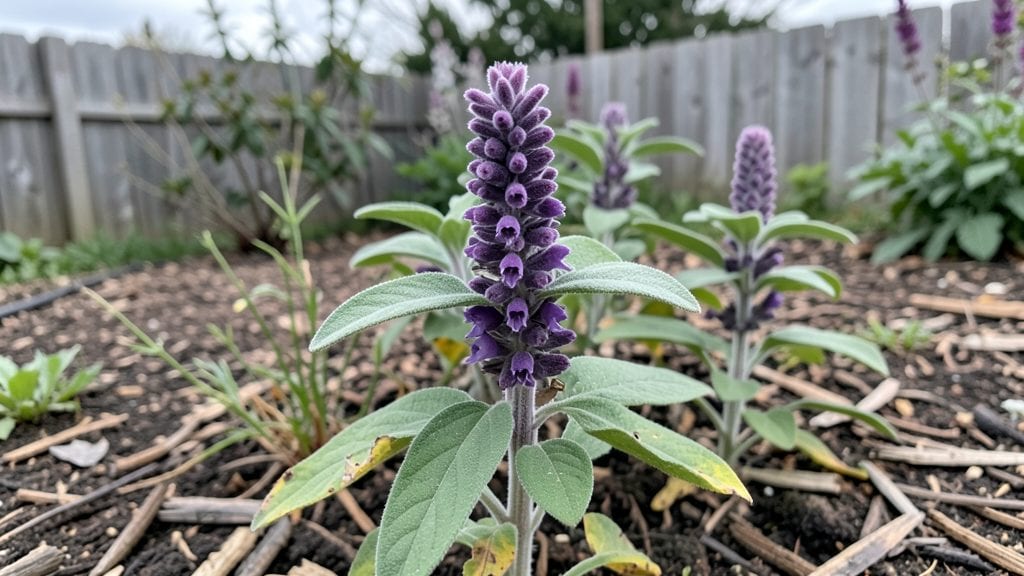
That garden weed with a purple flower you’ve been yanking out might just be the secret ingredient your shady spots need—until I realized Lamium purpureum and Ajuga reptans turn overlooked corners into lush, velvety masterpieces. ✨ into lush carpets.
These plants aren’t pests; they’re stealthy ground covers that outperform many ornamentals.
They thrive where others fail—full sun to deep shade, drought once established, and zero fuss. Ajuga spreads like a living mulch, while Lamium’s upright blooms add height to borders. The key?
Prune back after flowering to keep them tidy, and they’ll reward you with months of color when most annuals fade. My front yard’s "weedy" edges now get compliments—no one suspects they’re doing all the work.
Think of them as free, self-sustaining garden art. Purple flowers attract pollinators, their leaves suppress weeds naturally, and they adapt to almost any soil. Swap the weed killer for shears—you’ll end up with a low-maintenance, high-impact garden that looks intentional (even if it started as an accident).
Here’s how to harness their potential without losing control.
Perfect for wildflower gardens, woodland edges, or sunny borders—they’re the secret weapon for gardeners who want beauty without the upkeep. Let’s turn those "weeds" into your most reliable plants.
How Purple-Flowered Weeds Take Over
Purple-flowering weeds aren’t just a pretty nuisance—they’re opportunists that thrive when garden conditions align with their needs. Understanding the root causes helps you outsmart them before they spread. Below are the key reasons these bold invaders pop up in your sunny garden, along with the science behind their success.
Weeds with vibrant purple blooms—like henbit (Lamium amplexicaule), purple deadnettle (Lamium purpureum), or bindweed (Convolvulus arvensis)—often dominate when soil nutrients are imbalanced. Here’s why:
- Excess Nitrogen: Purple-flowered weeds love nitrogen-rich soil, which they use to fuel rapid growth. If your garden receives heavy compost, manure, or synthetic fertilizers, these weeds get a head start over your intended plants. - Actionable fix: Test your soil and adjust nitrogen levels.
Opt for slow-release fertilizers or organic matter like leaf mold, which balances nutrients without overfeeding weeds.
- Poor Drainage: Many purple weeds (e.g., creeping charlie or Glechoma hederacea) tolerate soggy soil.
If your garden has compacted or clay-heavy soil, water pools at the surface, creating the perfect wet nursery for their seeds. - Actionable fix: Amend soil with sand, perlite, or coconut coir to improve drainage. Raised beds can also help if your yard is naturally waterlogged.
- Lack of Competition: Purple weeds thrive in bare soil or areas where grass and ground covers have thinned.
Without dense plant competition, their seeds germinate and spread unchecked. - Actionable fix: Plant dense ground covers like clover, creeping thyme, or ornamental grasses to block sunlight and suppress weed seeds.
Purple-flowered weeds often dominate sunny spots because they’ve evolved to maximize photosynthesis under bright conditions. Here’s the science:
- High Light Tolerance: Weeds like purple loosestrife (Lythrum salicaria) or mallow (Malva neglecta) have broad leaves and deep root systems that capture sunlight efficiently, even in hot, dry climates. - Actionable fix: If your garden is full sun, mulch heavily with wood chips or gravel to block light and smother weeds.
Alternatively, plant sun-loving perennials like lavender or sedum to outcompete them.
- Heat Stress on Desired Plants: Many ornamental plants (e.g., annuals or young perennials) wilt in intense sun, leaving gaps that weeds rush to fill.
Purple weeds often germinate faster in these disturbed areas. - Actionable fix: Use shade cloth temporarily for heat-sensitive plants or group them with taller, sun-tolerant species to create natural shade.
- Drought Resistance: Some purple weeds (like prostrate spurge or Euphorbia humistrata) store water in their stems and leaves, allowing them to survive dry spells when other plants struggle.
- Actionable fix: Install drip irrigation to keep soil consistently moist for your desired plants, making the environment less hospitable for drought-tolerant weeds.
Purple-flowered weeds are pioneer species, meaning they colonize disturbed or freshly tilled soil faster than most plants. Here’s how it happens:
- Seed Banks in the Soil: Many weeds (e.g., chickweed or Stellaria media) have dormant seeds that can lie dormant for years. When you dig, till, or aerate, you trigger germination. - Actionable fix: Avoid unnecessary tilling.
Instead, use smothering techniques like cardboard mulch or vinegar-based herbicides for spot treatment.
- Animal and Wind Dispersal: Purple weeds often have light, winged seeds (like lamb’s quarters or Chenopodium album) or attract pollinators that spread their seeds.
Disturbed areas (e.g., after planting or pruning) become hotspots for new growth. - Actionable fix: Remove weeds before they flower to prevent seed spread. Use physical barriers (like landscape fabric) in high-risk areas.
- Human Activity: Walking, mowing, or even watering unevenly can create micro-disturbances where weed seeds take root.
- Actionable fix: Water deeply but infrequently to encourage deep root growth in desired plants. Use steel or rubber-edged tools to avoid soil compaction.
If your garden’s ecosystem is out of balance, purple weeds exploit opportunities left by struggling plants:
- Fungal or Pest Damage: Weakened plants (due to disease or insects) leave gaps that weeds fill.
For example, purple geranium (Geranium sanguineum) weeds often invade after aphid infestations weaken host plants. - Actionable fix: Monitor for pests and treat early with neem oil or beneficial insects like ladybugs.
- Improper pH Levels: Purple weeds often thrive in slightly acidic to neutral soil (pH 6.0–7.0), while some garden plants prefer alkaline conditions.
If your soil pH is off, weeds gain the upper hand. - Actionable fix: Test your soil pH and amend with lime (to raise pH) or sulfur/peat moss (to lower pH) as needed.
- Monoculture Planting: Gardens with single-species plantings (e.g., a lawn of just Kentucky bluegrass) create uniform conditions that weeds exploit.
- Actionable fix: Diversify your plantings with native perennials, shrubs, and grasses to disrupt weed cycles.
Some purple weeds have built-in survival advantages that make them nearly impossible to eradicate without strategy:
- Creeping Roots or Rhizomes: Weeds like bindweed or nutsedge spread via underground stems, making them resistant to surface treatments.
- Actionable fix: Dig deeply (at least 12 inches) to remove rhizomes. Repeat monthly for a year to starve the plant.
- Fast Reproduction: A single purple deadnettle plant can produce thousands of seeds in one season, ensuring new growth every year.
- Actionable fix: Hand-pull weeds in early spring before they flower. Use a seed trap (a bag over the plant) to catch fallen seeds.
- Alleopathic Chemicals: Some purple weeds (like henbit) release natural herbicides into the soil, inhibiting the growth of nearby plants.
- Actionable fix: Rotate plantings and avoid replanting the same species in affected areas for at least 2–3 years.
Purple-flowered weeds don’t just appear—they seize opportunities created by poor soil health, sunlight, disturbance, or plant weakness. By addressing these root causes, you can starve them out and reclaim your garden’s balance.
The next step? Prevention tactics (like mulching, proper watering, and smart planting) to keep them from staging a comeback!
Quick Fixes for Stubborn Purple Garden Invaders
If those vibrant purple blooms are turning your garden into an unplanned botanical show, don’t panic—there’s a way to reclaim your space without sacrificing beauty. Below, we’ll tackle the most common causes of purple-flowered weeds thriving in your garden and provide practical, step-by-step solutions to keep them in check.
Prevention tips are sprinkled in to help you avoid future battles!
If your garden feels like a purple party, it might be because weeds like henbit, purple deadnettle, or creeping charlie have hijacked the space. These weeds thrive in tight quarters, stealing sunlight, water, and nutrients from your prized plants.
How to Fix It: 🔥 Pull Them Early – The best defense is a good offense! Snag weeds when they’re young (before they seed) by gripping the base and giving a firm tug. Use a weed puller or gloved hands for stubborn roots. 🍳 Mulch Like a Pro – Apply 2–4 inches of organic mulch (straw, wood chips, or shredded leaves) to smother weeds and block sunlight. Refresh mulch seasonally to keep it effective. 👨🍳 Hand-Weed Strategically – Focus on areas where weeds cluster (e.g., garden edges, walkways). A hula hoe or dandelion digger makes quick work of shallow roots.
💡 Pro Tip: Water deeply after mulching to help the mulch settle and improve weed suppression.
Some purple-flowered weeds, like purple loosestrife or certain types of clover, flourish in full sun because they’re adapted to dry, hot conditions. If your garden is baking under the sun, these weeds may be taking over.
How to Fix It: 🔪 Adjust Plant Spacing – Thin out dense plantings to reduce competition. Weeds love crowded spaces where they can spread unchecked. 🌡️ Add Shade-Climbing Plants – Introduce fast-growing vines (like morning glories or nasturtiums) or tall perennials (e.g., coneflowers, black-eyed Susans) to cast natural shade and outcompete weeds. ⏰ Water Smartly – Deep watering 2–3 times per week (instead of daily shallow watering) encourages deep root growth in your plants, making them more resilient. Weeds often struggle in moist soil.
🎯 Prevention Hack: Plant ground covers like creeping thyme or ajuga in sunny spots—they’ll crowd out weeds naturally!
Weeds like purple vetch or certain types of smartweed thrive in rich, fertile soil because they grow fast to capitalize on available nutrients. If your garden soil is too lush, weeds will take advantage.
How to Fix It: 📊 Test Your Soil – Use a DIY soil test kit to check pH and nutrient levels. If your soil is too rich in nitrogen, weeds will explode. Amend with compost or aged manure to balance nutrients. 🥗 Use Barrier Fabrics – Lay down landscape fabric under mulch in high-weed areas (like vegetable beds). This blocks weed seeds while allowing water and roots to pass through. 🍎 Plant Competitive Ground Covers – Choose low-maintenance, weed-suppressing plants like creeping phlox, sedum, or clover to outcompete invaders.
✨ Bonus Tip: Vinegar spray (1:1 ratio with water + a drop of dish soap) can kill young weeds in nutrient-heavy soil—but use cautiously near desirable plants!
Weeds like purple amaranth or certain types of chickweed pop up where watering is inconsistent, as they’re often drought-tolerant. If your garden has dry patches, these weeds will fill the gaps.
How to Fix It: 🔥 Install Drip Irrigation – A low-flow drip system delivers water directly to plant roots, reducing surface moisture that weeds love. 🍳 Group Plants by Water Needs – Cluster drought-tolerant plants (lavender, rosemary) together and water-loving plants (hostas, ferns) separately to minimize weed-friendly conditions. 👨🍳 Use Boiling Water for Spot Treatment – Pour boiling water on small weed patches in cracks or walkways—it kills them instantly without chemicals.
💡 Prevention Pro: Water in the early morning to reduce evaporation and give your plants a head start over weeds.
Once you’ve tackled the immediate problem, prevent regrowth with these low-effort strategies:
- Solarize Soil – Cover weed-prone areas with clear plastic sheeting for 4–6 weeks in hot sun to kill seeds and roots.
- Plant Dense Beds – Fill empty spaces with fast-spreading perennials (like creeping Jenny or ajuga) to leave no room for weeds.
- Regularly Inspect – Spend 10 minutes weekly pulling new sprouts before they mature.
By addressing the root causes (literally!) of your purple weed problem, you’ll create a garden where your plants—not the weeds—thrive. Start with one or two fixes, and soon, those bold blooms will be exactly where you want them—in a vase, not your flowerbed!
Frequently asked questions
Are purple-flowered weeds ever beneficial for gardens?
Many purple-flowered "weeds" like Ajuga reptans (bugleweed) or Lamium purpureum (purple deadnettle) are excellent pollinator magnets and natural ground covers. They suppress weeds, retain soil moisture, and add season-long color—perfect for shady borders or woodland gardens. Just prune them back after flowering to keep them tidy!
How can I tell if a purple-flowered plant is a weed or a desirable garden plant?
Look at the growth habit and leaf shape. Desirable plants like Salvia nemorosa (purple sage) have woody stems and structured forms, while weeds like Convolvulus arvensis (bindweed) sprawl aggressively. Check for seed heads—if it's producing thousands of seeds, it's likely a weed. When in doubt, consult a local nursery or plant ID app!
Can I use purple-flowered weeds in floral arrangements?
Yes! Many purple "weeds" like Lamium galeobdolon (yellow archangel with purple stems) or Viola sororia (wild violet) add textural contrast to bouquets. Harvest stems early in the morning, strip leaves, and arrange them with long-lasting blooms like snapdragons or dahlias. Just avoid plants treated with herbicides if you plan to eat them!
Why do some purple-flowered weeds spread so aggressively?
Many purple weeds (like Ajuga or Creeping Charlie) spread via rhizomes or stolons, which are underground stems that produce new plants. Others, like Lamium, self-seed prolifically. Their fast growth rate and adaptability to poor soil give them an edge. The key is removing them before they flower to break their life cycle!
Are there purple-flowered weeds that are edible?
Yes! Viola sororia (wild violet) and Stellaria media (chickweed) are both edible and packed with nutrients. Young leaves can be eaten raw in salads, while flowers add gourmet flair to dishes. Always positively identify plants before consuming—some purple weeds (like Lamium) can cause stomach upset. Start with small amounts!