
Shrubs
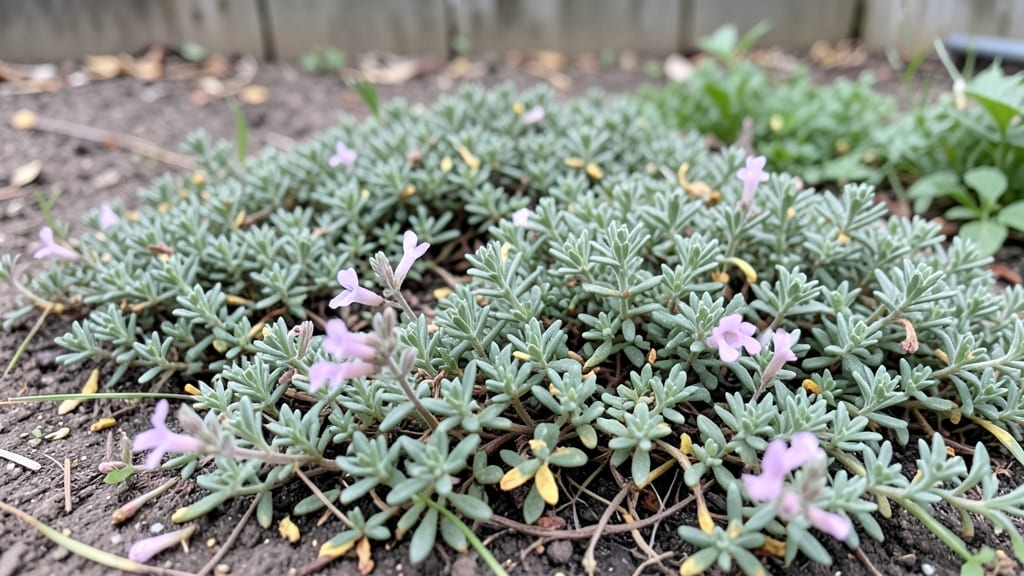
Flowering creeping thyme 🌿 is the secret weapon for turning dull garden spaces into fragrant, sun-drenched havens that practically take care of themselves.
Imagine stepping on a plush, purple-blanketed lawn that smells like a Mediterranean summer—no mowing, no fuss, just a low-growing powerhouse that thrives underfoot. That’s creeping thyme in action, and it’s easier to grow than you’d think.
This hardy perennial spreads like wildfire in USDA Zone 6a, choking out weeds while attracting bees with its vibrant blooms. Plant it in March or April, give it full sun, and watch it transform rocky slopes or borders into a pollinator magnet.
From culinary uses to ornamental borders, I’ll show you how to coax the most blooms, keep it creeping (not invasive), and troubleshoot the few pests that dare to challenge it.
How to plant and grow flowering creeping thyme for maximum blooms
Flowering creeping thyme is one of the easiest and most rewarding ground covers to grow, offering vibrant purple blooms and a fragrant aroma that attracts pollinators. Whether you're planting it along walkways, on slopes, or in rock gardens, this hardy perennial thrives with minimal effort once established.
The key to maximum blooms lies in choosing the right conditions and providing consistent care throughout the growing season.
Unlike its culinary cousin, creeping thyme isn't grown for harvest but for its ornamental value and drought-resistant nature. It spreads quickly to form a dense mat, suppressing weeds and stabilizing soil.
To ensure your thyme stays lush and flowers abundantly from spring to fall, follow these essential steps tailored to its needs.
Step-by-Step Planting & Care Guide
- Choose the Right Location: Select a spot with full sun exposure (6+ hours daily) and well-draining soil. Creeping thyme hates soggy roots, so avoid low-lying areas where water pools.
- Test & Prepare Soil: Amend heavy clay soil with compost or sand to improve drainage. A slightly alkaline to neutral pH (6.0-7.5) works best. Skip fertilizing at planting—thyme thrives in lean soil.
- Plant at the Right Time: Plant in early spring (March-April) after the last frost. Space plants 9-12 inches apart for a dense mat. For slopes, stagger plants to prevent erosion.
- Water Lightly & Infrequently: Water deeply but infrequently—only when the top 1 inch of soil is dry. Overwatering causes root rot. After establishment, thyme is drought-tolerant and needs minimal water.
- Apply Light Fertilizer: Feed with a balanced 5-10-10 fertilizer in early spring (1 tbsp per 10 sq ft). Skip heavy fertilizers—they encourage leafy growth over blooms.
- Prune for Shape & Blooms: After flowering (late summer), trim back 1/3 of the growth to encourage bushiness. Deadhead spent blooms to promote continuous flowering until frost.
- Mulch Sparingly: Use a thin layer of gravel or mulch to retain moisture and suppress weeds. Avoid thick mulch, which can smother the low-growing plant.
- Overwinter Care: Thyme is hardy to Zone 5 and needs no winter protection. In colder zones, a light mulch helps insulate roots during freezing temperatures.
- Divide & Propagate: Every 3-4 years, divide overcrowded patches in early spring. Use cuttings from healthy stems to propagate new plants—dip in rooting hormone for faster success.
Pro Tip: Group thyme with lavender, sedum, or catmint for a pollinator magnet that blooms all season!
One of the biggest mistakes gardeners make with creeping thyme is overwatering. This plant evolved in Mediterranean climates where summers are dry, so it stores water in its woody stems.
Watering too often leads to root rot and stunted growth. Instead, let the soil dry out completely between waterings—especially after the first year when roots establish deeply.
To encourage prolonged blooming, deadhead faded flowers regularly. This simple task redirects the plant’s energy toward producing new buds rather than seed heads. I’ve found that thyme planted in well-draining gravel (like a rock garden) often flowers 2-3 weeks longer into fall compared to soil beds.
The extra airflow prevents fungal issues and keeps the foliage vibrant.
If your thyme starts looking leggy or sparse, it’s likely due to too much shade or over-fertilizing. Move it to a sunnier spot and reduce fertilizer to half-strength for the next feeding.
For slopes or erosion-prone areas, thyme’s dense root system makes it an ideal choice—it holds soil in place while adding color and fragrance.
In my own garden, I’ve used creeping thyme to edge rosary vine pathways and fill gaps between stepping stones. The purple blooms contrast beautifully with silver foliage plants like lamb’s ear, while the scent repels pests naturally.
For maximum impact, plant thyme in large swaths rather than small patches—it looks best when it spreads freely.
Finally, remember that creeping thyme is deer-resistant and pet-friendly (non-toxic to dogs and cats). This makes it a safe, low-maintenance option for families with furry friends. With the right care, your thyme will reward you with years of color and fragrance with almost no effort.
Top 5 benefits of creeping thyme as a ground cover plant
If you're searching for a sun-loving ground cover that's as practical as it is beautiful, flowering creeping thyme should top your list. This hardy perennial isn't just a pretty face—it's a powerhouse that solves common gardening challenges while adding charm to your landscape.
From suppressing weeds to attracting pollinators, its benefits make it a favorite among both beginner and experienced gardeners.
What sets creeping thyme apart from other ground covers like ajuga or sedum is its ability to thrive in dry, sunny conditions while offering year-round greenery and a delightful aroma when brushed against.
Whether you're tackling slopes, filling gaps between stepping stones, or adding texture to rock gardens, this plant delivers effortless beauty with minimal care.
- 1. Drought-resistant: Thrives with minimal watering once established, making it perfect for xeric landscapes and low-maintenance gardens.
- 2. Pollinator magnet: Attracts bees and butterflies with its purple summer blooms, supporting local ecosystems effortlessly.
- 3. Weed suppression: Forms a dense mat that blocks weeds, reducing the need for mulch or herbicides in sunny areas.
- 4. Aromatic foliage: Releases a citrusy scent when walked on, adding sensory appeal to pathways and garden borders.
- 5. Year-round greenery: Stays evergreen in mild climates, providing winter interest when other plants fade.
Compared to other sun-loving ground covers, creeping thyme stands out for its dual functionality. While plants like ice plant (Delosperma) offer drought tolerance, they lack the aromatic appeal and pollinator benefits of thyme.
Similarly, moss phlox (Phlox subulata) provides color but requires more frequent watering. Creeping thyme bridges the gap, offering a balance of practicality and beauty that's hard to beat.
One of my favorite ways to use creeping thyme is as an edging plant along garden beds. Its low, spreading habit creates a neat boundary while its flowers add pops of color.
Pair it with lavender or rosemary for a Mediterranean-inspired border that thrives in full sun. The combination not only looks stunning but also repels pests naturally, thanks to thyme's aromatic oils.
For gardeners in USDA zones 5-9, creeping thyme is a versatile choice that adapts to various soil types, though it prefers well-draining, slightly alkaline soil. Unlike moisture-loving ground covers, it handles poor soil conditions better, making it ideal for rocky or sandy areas where other plants struggle.
Just be sure to plant it in full sun—at least 6 hours of direct sunlight daily—to maximize its benefits and flowering potential.
Beyond its practical advantages, creeping thyme adds a textural contrast to gardens. Its tiny, oval leaves create a fine, velvety carpet that complements taller perennials like coneflowers or black-eyed Susans. Plus, its late-summer blooms provide nectar when many other plants have finished flowering, extending the pollinator season.
It’s a small investment with big rewards for both your garden’s health and its visual appeal.