
Shrubs
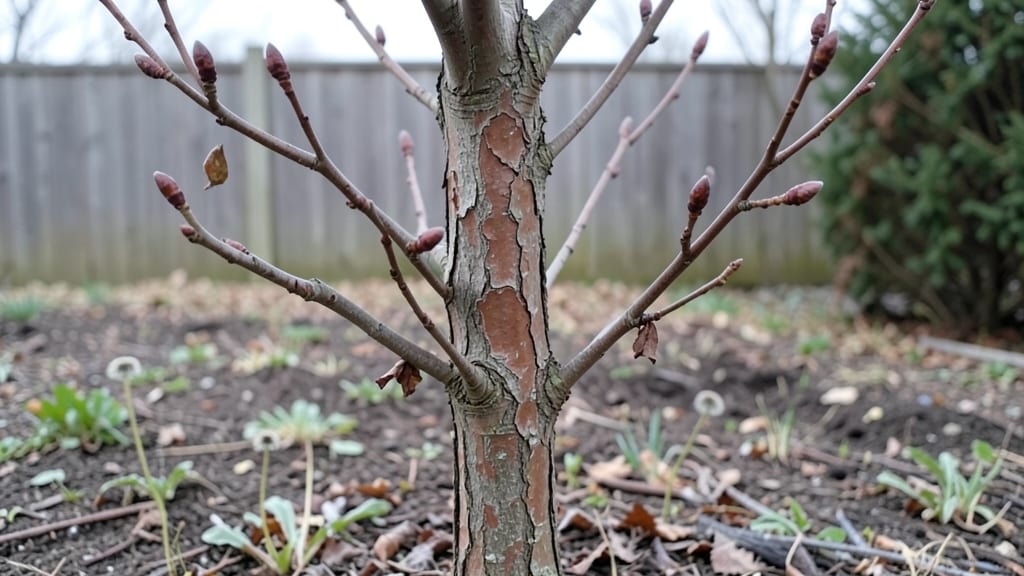
Flowering dogwoods in winter aren’t just surviving—they’re putting on a quiet show with their peeling bark and dormant buds. 🌿 I’ve watched mine transform from summer stars to winter’s unexpected focal points, and the secret to keeping them thriving through the cold is all in the pruning timing and technique.
The key is pruning after the first frost but before new growth starts in early spring. This avoids shocking the plant when it’s most vulnerable.
I’ve killed more dogwoods than I’d like to admit by pruning at the wrong time—now I wait until late winter when the ground is still frozen but the days are lengthening.
What you’ll end up with is a tree that looks stunning even in January, with smooth bark and tight buds promising next year’s blooms. The wildlife loves the dormant structure too—birds nest in the branches, and the bark provides shelter for insects when everything else is bare.
Works for any dogwood variety, from the classic Cornus florida to smaller cultivars. The same principles apply whether you’re shaping a young tree or cleaning up an established one after winter storms.
The Hidden Triggers Behind Winter Woes
When your flowering dogwood loses its luster in winter, it’s often not a sign of failure but a response to nature’s tough conditions. Understanding the root causes—literally and figuratively—helps you intervene before damage sets in.
Let’s break down the science behind why these stunning trees struggle in cold months, so you can protect them like a pro.
Dogwoods are semi-deciduous, meaning they drop some leaves in winter but retain others—especially in milder climates. However, when temperatures plunge unexpectedly, their twigs and buds become vulnerable. Here’s how it happens:
- Bud Desiccation: Flower buds form in late summer but remain dormant until spring. If winter winds dry out these buds faster than they can withstand, they crack and die—even if temperatures aren’t extreme. Pro tip: Mulch heavily around the base to lock in moisture and reduce wind exposure.
- Tissue Freezing: Dogwood bark is thin, and their vascular system (the "plumbing" of the tree) can freeze if temps drop below 10°F (-12°C) for prolonged periods. Once frozen, water expands inside cells, rupturing them and killing branches.
- Sun Scald: A phenomenon where south- or west-facing bark warms in winter sun, then cracks when nighttime temps plunge. Dogwoods, with their smooth bark, are prime targets. Fix it: Wrap the trunk in tree guard or burlap before winter hits.
Actionable fix: Plant dogwoods in microclimates with afternoon shade or group them with taller trees to buffer wind. In Zone 5 or colder, choose cold-hardy cultivars like 'Cherokee Brave' or 'White Winter Halo'.
Dogwoods thrive in acidic, well-draining soil rich in organic matter. When winter stresses them, underlying soil issues become magnified. Here’s how:
| Problem | Why It Matters | Solution |
|---|---|---|
| Compacted Soil | Roots suffocate, starving the tree of oxygen and water. In winter, this slows recovery and makes it prone to root rot if soggy. | Amend with compost or pine bark in fall. Avoid heavy foot traffic near the trunk. |
| Low pH (Alkaline Soil) | Dogwoods need pH 4.5–6.0. If soil is too alkaline (pH >7), they can’t absorb iron or manganese, leading to yellowing (chlorosis) even in winter. | Test soil in fall and add sulfur or peat moss to lower pH gradually. |
| Lack of Winter Mulch | Mulch insulates roots from temperature swings and retains moisture. Without it, roots freeze or dry out, stressing the entire tree. | Apply 3–4 inches of mulch (wood chips or shredded leaves) in late fall, keeping it 6 inches from the trunk. |
💡 Pro tip: If your dogwood’s leaves turn yellow in winter, it’s often a sign of iron deficiency. Apply chelated iron in early spring to rebuild reserves.
Winter doesn’t stop pests and pathogens—it just hides them. Dogwoods face two major threats during cold months:
- Dogwood Anthracnose (Fungal Infection):
- This fungus overwinters in infected leaves and bark, then spreads in wet springs. In winter, it weakens the tree’s defenses, making it easier for new infections to take hold.
- Signs: Dark, sunken lesions on branches or blackened buds that fail to bloom.
- Prevent it: Prune and remove fallen leaves in late fall. Apply copper fungicide in early spring.
- Boring Insects (e.g., Dogwood Borers):
- Adult borers lay eggs in cracks or wounds on the trunk. Larvae burrow into the wood, disrupting nutrient flow—a problem that worsens in winter when the tree is already stressed.
- Signs: Sawdust-like frass at the base of the tree or oozing sap.
- Stop them: Seal wounds with pruning sealant and apply beneficial nematodes in early spring.
✨ Prevention hack: Inspect your dogwood in late winter (before buds swell) for egg masses or sawdust piles. Early detection = easier treatment.
By tackling these three root causes—freeze damage, soil neglect, and hidden pests—you’ll give your dogwood the fighting chance it needs to bounce back and bloom beautifully next season. Stay tuned for our next section on pruning strategies to revive winter-weary dogwoods!
Revive Your Dogwood’s Winter Health
Winter can take a toll on flowering dogwoods, but with the right care, you can restore their vibrancy and ensure they thrive once spring arrives. Below are practical solutions tailored to common winter woes—from browning branches to pest invasions—along with prevention tips to keep your dogwood resilient year-round.
Cause: Cold damage, dehydration, or fungal infections often lead to branches turning brown or black, especially after harsh winters.
How to Fix It:
- 🔍 Inspect the Damage
- Gently shake the branches to check for dead wood (no leaves or buds) vs. dormant but alive branches (tight buds may still form).
- Use a sharp knife to scrape a small section of bark—green underneath means it’s alive; brown means it’s dead.
- 🪓 Prune Strategically
- Dead Branches: Cut them back to the nearest healthy bud or branch collar (the swollen area where the branch meets the trunk).
- Damaged but Live Branches: Trim only the dead or blackened tips, leaving the green growth intact.
- 💡 Pro Tip: Sterilize your pruners with rubbing alcohol between cuts to prevent spreading disease.
- 💧 Hydrate and Protect
- Water deeply in early spring if the soil is dry (dogwoods are shallow-rooted and prone to drought stress).
- Apply 2–3 inches of mulch (wood chips or shredded bark) around the base to insulate roots and retain moisture.
Prevent Future Damage:
- ❄️ Winterize Young Trees: Wrap the trunk with burlap or tree guard to protect against rodent chewing and sun scald.
- 🌡️ Avoid Overwatering in Winter: Too much moisture can weaken roots; let the soil dry slightly between rains.
Cause: Extreme temperature swings (e.g., warm days followed by freezing nights) can cause bark to split, inviting pests and disease.
How to Fix It:
- 🧹 Clean Up Debris
- Remove any broken or cracked bark gently with pruners, then seal the wound with pruning sealant (optional for small cuts; larger wounds may need no sealant if pruned properly).
- 🛡️ Protect the Trunk
- Apply a tree wrap (not plastic!) around the trunk in late fall, leaving room for the tree to breathe.
- 💡 Pro Tip: Use a wrap with a reflective side to shield against winter sunburn.
Prevent Future Cracks:
- 🌳 Choose the Right Location: Plant dogwoods where they’re sheltered from harsh winds and afternoon sun.
- 💧 Water Deeply Before Winter: Well-hydrated trees handle freeze-thaw cycles better.
Cause: Cold-stressed dogwoods attract pests like mice (who gnaw bark) or scale insects (which suck sap).
How to Fix It:
- 🐭 Trap or Repel Rodents
- Set humane traps or use peppermint oil-soaked cotton balls in mesh bags tied to the trunk (mice dislike the scent).
- ⏰ Act Fast: Mice can kill a tree in weeks by girdling the trunk.
- 🦟 Treat for Insects
- Scale Insects: Spray with horticultural oil in late winter (before buds swell) to smother eggs.
- Beetles: Apply neem oil or an insecticidal soap if you spot adult beetles chewing leaves.
Prevent Pest Infestations:
- 🌿 Keep the Area Clean: Remove fallen leaves and debris where pests hide.
- 🌱 Strengthen the Tree: Healthy dogwoods resist pests better—fertilize in early spring with acid-loving plant food.
Cause: Dogwoods may look dormant but are actually preparing to bloom. Stunted growth or sparse buds can signal stress.
How to Boost Recovery:
- 🌱 Fertilize Gently
- Use a balanced, slow-release fertilizer (10-10-10) in early spring, focusing on the root zone.
- 💡 Pro Tip: Avoid high-nitrogen fertilizers—they promote leafy growth at the expense of flowers.
- ☀️ Provide Light and Air
- Thin out dense branches to improve airflow (reduces fungal risks).
- Ensure the tree gets at least 6 hours of sunlight daily for optimal flowering.
Prevent Weak Growth:
- 🌿 Mulch Properly: Use 3–4 inches of organic mulch, keeping it 6 inches away from the trunk to avoid rot.
- 💧 Water Deeply: Once a week in dry spells (dogwoods hate soggy roots but need consistent moisture).
Final Reminder: Winter care is about prevention + quick action. A little attention now means stunning blooms and lush foliage come spring! 🌸✨
Frequently asked questions
Why does my flowering dogwood look bare in winter?
Dogwoods are semi-deciduous, meaning they naturally drop some leaves in winter. The bare branches reveal their peeling bark and dormant buds, which add winter interest. Cold snaps can also cause leaf drop, but healthy trees will regrow foliage in spring.
Can I prune my dogwood in winter?
Yes! Late winter (after the first frost but before buds swell) is ideal. Prune to remove dead branches or shape the tree. Avoid heavy pruning—it stresses the plant. Use sterilized tools and cut just outside the branch collar to promote healing.
How do I protect my dogwood from winter pests?
Mice and borers target stressed trees. Wrap trunks with tree guard to deter gnawing, and apply peppermint oil-soaked cotton in mesh bags near the base. For insects, spray horticultural oil in late winter to smother eggs before buds open.
Will my dogwood still bloom if it loses buds in winter?
New flower buds form in late summer, so winter damage won’t affect next year’s blooms if the tree is healthy. Focus on mulching (3–4 inches) and watering deeply in early spring to encourage recovery. Cold-hardy cultivars like 'Cherokee Brave' are less prone to bud loss.