
Trees
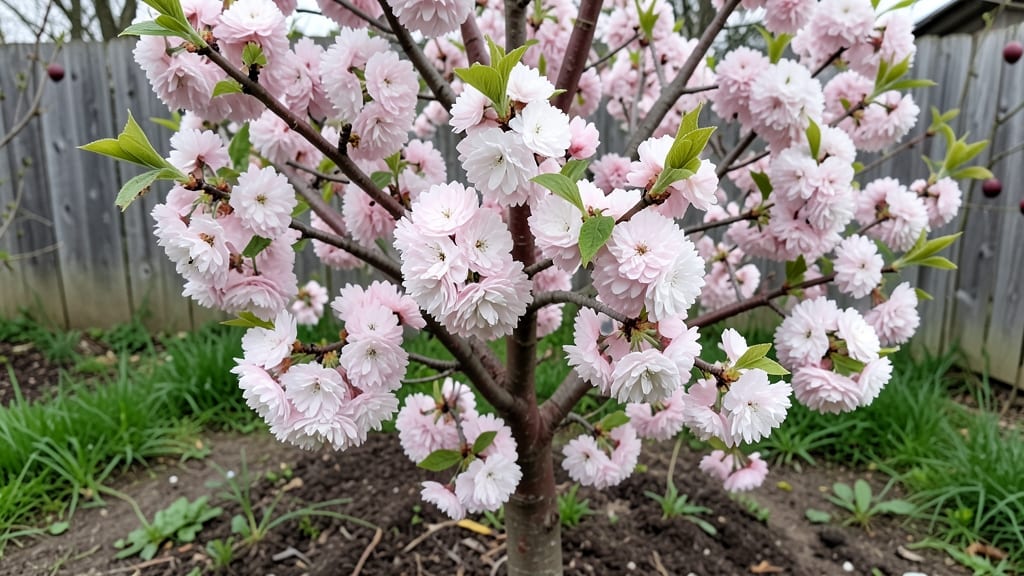
Double flowering plum trees turn your yard into a springtime dream with clouds of blossoms that last weeks longer than regular plums. 🌸 I planted mine last fall, and by March, the branches were heavy with pink and white flowers—no pruning, no fuss.
The secret lies in understanding how these trees differ from fruiting varieties, and I’ll show you exactly how to keep them blooming like crazy every year.
You’ll need a sunny spot with well-draining soil—these trees hate soggy roots—and a little patience while they establish. Most nurseries sell them as bare-root or potted plants, and they thrive in zones 5 through 9.
The key to minimal care? Watering deeply once a week after the first year, a light fertilizer in early spring, and just enough pruning to shape them. No deadheading needed—they’ll keep flowering without it.
By summer, you’ll have lush green foliage that contrasts beautifully with the spent blooms, and in fall, the branches might even produce tiny, edible plums (though they’re not the focus).
The real magic happens when you see neighbors stopping to ask about your "secret garden." These trees are the ultimate low-maintenance showstoppers—once planted, they’ll reward you for decades.
We’ll cover everything from soil prep to pruning schedules, plus how to handle pests like aphids without chemicals. Whether you’re a first-time gardener or a seasoned pro, this guide keeps things simple so you can enjoy the blooms instead of stressing over them.
📚 In This Guide
- What you need
- Instructions
- Tips and common mistakes
- Wrapping up and next steps
What you need
- ● Double flowering plum tree: Choose a healthy, disease-resistant variety (e.g., Prunus cerasifera 'Nigra' or 'Thundercloud'). Buy from a reputable nursery (bare-root in winter or potted year-round).
- ● Planting site: Full sun (6+ hours daily).
- ● Well-draining soil (amend with compost if clay-heavy).
- ● Digging tools: 1 shovel (for digging holes).
- ● 1 garden trowel (for precision planting).
- ● Fertilizer: Slow-release, balanced fertilizer (10-10-10) or organic options like composted manure.
- ● Mulch: 2–3 inches of organic mulch (wood chips or straw) to retain moisture.
- ● Watering can or hose: With a gentle spray nozzle for post-planting care.
- ● Soil pH tester (ideal range: 6.0–7.0).
- ● Pruning shears (for shaping or removing dead branches).
- ● Tree stakes & ties (if planting in windy areas).
- ● Drip irrigation system (for consistent moisture).
- ● Gloves & knee pads (for comfort during planting).
- ● Timing: Plant bare-root trees in late fall or early spring (avoid extreme heat/cold). Potted trees can be planted year-round.
- ● Spacing: Allow 10–15 feet between trees (or 15–20 feet for larger varieties).
- ● Local climate check: Ensure your hardiness zone (USDA 5–9) matches the tree’s needs.
Step-by-Step guide to planting and caring for a double flowering plum tree
Here's how to get stunning year-round blossoms with just a few key steps.
🌱 Step 1: Choose the Right Location and Prepare the Soil
Double flowering plum trees thrive in full sun, so pick a spot that gets at least 6-8 hours of direct sunlight daily. They tolerate a range of soil types but perform best in well-draining, slightly acidic soil with a pH between 6.0 and 7.0. If your soil is heavy clay, amend it with 2-3 inches of compost mixed into the top 12 inches of soil before planting.
Dig a hole twice as wide as the tree’s root ball but only as deep as the container it came in. This encourages roots to spread outward rather than settling too deep. Gently loosen the roots if they’re circling the container—just tease them apart with your fingers. Place the tree in the hole so the top of the root ball sits 1-2 inches above ground level to prevent waterlogging.
🪴 Step 2: Plant and Water Deeply
Backfill the hole with the native soil you removed, tamping it down lightly every 4-6 inches to remove air pockets. Water the tree deeply right after planting—this helps settle the soil and eliminates air gaps around the roots. Use 5-10 gallons of water, depending on the tree’s size, and let it soak in completely.
Mulch around the base with 2-3 inches of organic mulch, keeping it 6 inches away from the trunk to prevent rot. This conserves moisture, regulates soil temperature, and suppresses weeds. Avoid piling mulch against the trunk—this can trap moisture and invite disease. Water again 2-3 days later to encourage root establishment.
☀️ Step 3: Prune for Shape and Health
Prune your double flowering plum tree right after planting to remove any damaged or crossing branches. Use clean, sharp pruners to make cuts just above a bud or branch collar. Aim for an open, vase-like shape to allow sunlight and air to reach the center of the tree—this prevents fungal issues and encourages more blooms.
For the first 2-3 years, prune lightly in late winter or early spring before new growth begins. Remove no more than 25% of the tree’s branches in any one year—over-pruning stresses the tree and reduces flowering. Watch for water sprouts (suckers growing straight up) and trim them off at the base to redirect energy to the main structure.
💧 Step 4: Water and Fertilize for Year-Round Blooms
Water deeply once a week during the first growing season, providing 10-15 gallons depending on the tree’s size. After the first year, established trees are drought-tolerant but still need deep watering every 2-3 weeks during dry spells. You’ll know it’s time to water when the top 2-3 inches of soil feel dry—stick your finger in to check.
Fertilize once in early spring with a balanced, slow-release fertilizer (10-10-10 ratio). Follow the package instructions for application rates—over-fertilizing can burn roots and reduce flowering. Avoid fertilizing in fall or winter, as the tree enters dormancy and doesn’t need extra nutrients. A light top-dressing of compost in early spring is enough to keep it thriving.
✂️ Step 5: Maintain and Enjoy Year-Round Beauty
Double flowering plum trees are low-maintenance but benefit from light pruning after each flowering cycle to shape the tree and remove dead or weak branches. You’ll see spring blooms first, followed by summer and fall flowers if you prune correctly. Avoid heavy pruning in late summer or fall, as new growth won’t harden off before winter.
Watch for aphids or scale insects, which can appear on new growth. Spray with neem oil or insecticidal soap if you spot clusters of tiny bugs on stems or leaves. With proper care, your tree will reward you with vibrant blooms nearly year-round, making it a standout feature in any landscape.
Tips & tricks for perfect double flowering plum trees
Here's what I've learned after watching these trees transform gardens year after year.
Sunlight Secret: That 6-8 hours of sunlight is non-negotiable—these trees are sun worshippers! I've seen trees in partial shade still bloom, but the flowers are sparse and less vibrant. If your yard has limited sun, consider planting near a south-facing wall where it gets reflected sunlight. Also, avoid planting near large trees that will cast shade as they grow.
Root Care: When loosening those circling roots in Step 1, don't be afraid to get your hands dirty—literally. I use my fingers to gently separate roots because it's more precise than tools. The goal is to encourage outward growth, not damage the roots. After planting, I make it a point to check the soil level after watering—it should settle about an inch, so adjust if needed to keep that 1-2 inch root ball elevation.
Watering Wisdom: The deep watering in Step 2 is crucial, but timing matters too. Water in the morning so the foliage has time to dry before evening—this prevents fungal issues. I've found that using a soaker hose for the initial 5-10 gallons lets water penetrate deeply without runoff. For the 2-3 day follow-up watering, I check by pushing my finger into the soil—if it's dry up to my first knuckle, it's time to water again.
Pruning Pro Tip: When pruning in late winter, look for branches that cross or grow inward—they'll rub against each other and create wounds where disease can enter. I always prune just above a bud that faces outward, which encourages the tree to grow in the direction I want. For water sprouts, I remove them at the base with clean pruners to prevent bleeding sap, which can attract pests.
Pro Tips for Double Flowering Plum Tree
- Here's what I've learned after watching these trees transform gardens year after year.
- Sunlight Secret: That 6-8 hours of sunlight is non-negotiable—these trees are sun worshippers!
- Root Care: When loosening those circling roots in Step 1, don't be afraid to get your hands dirty—literally.
Frequently asked questions
Got questions about nurturing your double flowering plum tree? You’re not alone! Here are answers to the most common queries—from planting to pruning and everything in between.
When is the best time to plant a double flowering plum tree?
The ideal window is early spring or fall (3-4 weeks before the first frost). This gives roots time to establish before extreme temperatures. Avoid planting in summer’s heat or winter’s freeze—both stress young trees. Pro tip: Amend soil with compost for better drainage, as these trees hate soggy roots!
Why aren’t my double flowering plum tree’s blooms as abundant as expected?
Several factors could be at play:
- Age: Young trees (under 3 years) may bloom lightly while maturing.
- Light: Insufficient sunlight (less than 6 hours/day) reduces flowering.
- Pruning: Over-pruning in late winter/early spring can cut off next year’s blooms.
- Nutrition: A lack of phosphorus (check soil test) limits flower production.
How long does it take for a double flowering plum tree to bloom?
Most double flowering plum trees start blooming 2–4 years after planting, depending on variety and care. Dwarf varieties may flower sooner (1–2 years), while standard trees take longer. Patience pays off—once established, they’ll reward you with year-round interest (flowers, foliage, and even fruit for some types)!
Can I prune a double flowering plum tree while it’s in bloom?
Light pruning (removing dead or crossing branches) is fine during bloom, but avoid heavy pruning until after flowering (late spring/early summer). Heavy cuts now can reduce next year’s blooms. Focus on shaping and thinning in dormant seasons (winter or early spring) for best results.
Are there alternatives to double flowering plum trees for low-maintenance blooms?
Consider these low-fuss, long-blooming options:
- Cherry Blossom Trees (Prunus serrulata): Similar beauty, slightly more cold-hardy.
- Japanese Quince (Chaenomeles speciosa): Early spring blooms + thorny (deterrent for pests!).
- Dwarf Crape Myrtle (Lagerstroemia): Compact, colorful, and drought-tolerant.
- Ornamental Pear (Pyrus calleryana): Fast-growing with stunning spring flowers.
How do I prevent pests like aphids or borers from damaging my tree?
Start with prevention:
- Keep trees healthy and well-watered—stress attracts pests.
- Apply neem oil or insecticidal soap early in the season as a deterrent.
- Inspect leaves regularly for eggs or sawdust-like frass (borer sign).
- Encourage beneficial insects (ladybugs, lacewings) by planting companion flowers.
Wrapping up and next steps
Ready to transform your garden into a breathtaking, low-maintenance paradise? The double flowering plum tree is your perfect companion—packed with stunning blooms, resilience, and effortless charm. 🌸 Whether you’re a seasoned gardener or just starting, its adaptability and beauty make it a winner for any outdoor space.
Now’s the time to take action! Plant your tree today and enjoy years of vibrant color with minimal fuss. Need help picking the right spot or variety? Drop us a comment below—we’d love to cheer you on! 🌱