
Shrubs
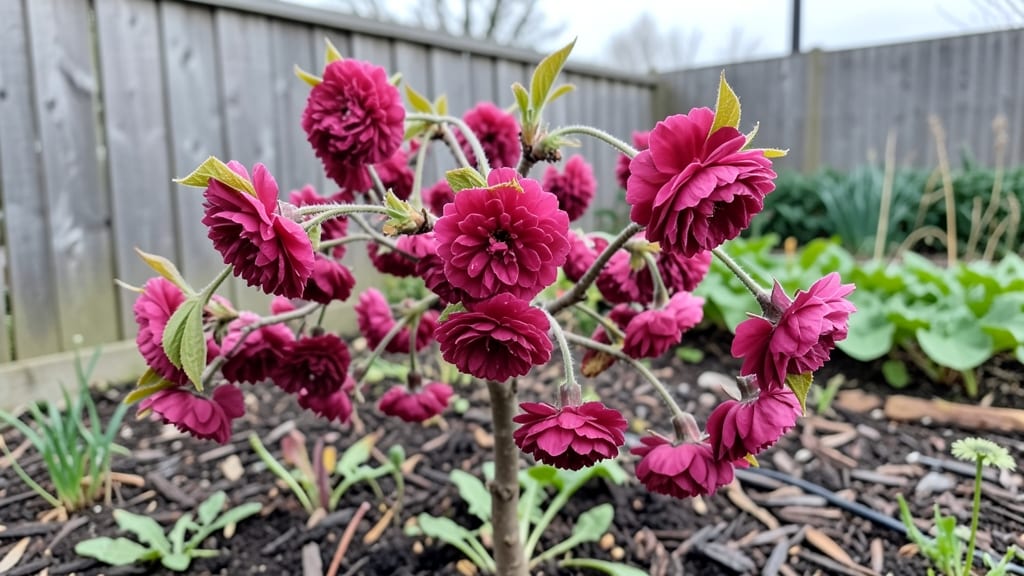
Double flowering plum trees bring shockingly lush pink or white clouds to your yard that last for weeks—sometimes even months. 🌸 I planted mine in early spring, and by late winter, the branches were heavy with blossoms before any other tree in the neighborhood even thought about waking up.
The fragrance alone makes it worth the effort, but the way it transforms a dull winter landscape into a showstopper? That’s the real magic.
These trees thrive in full sun but aren’t picky about soil as long as it drains well—no need for fancy amendments unless your ground is heavy clay. Water deeply once a week after planting, then taper off as roots establish, but don’t let them dry out completely.
A 3-inch layer of mulch around the base keeps moisture in and weeds out, and pruning in late winter (right after blooming) keeps the shape tidy while encouraging next year’s flowers.
You’ll get neighbor-jealousy levels of blooms if you pick the right variety and give it consistent care. Some even produce tiny, edible fruits later in the season, though they’re more for show than eating.
The best part? These trees handle urban pollution and drought once established, making them perfect for city yards or small gardens where space is tight.
Watch for aphids or scale insects on new growth—just spray with water or use insecticidal soap if they appear. And if your tree starts dropping leaves early, it might be thirsty or stressed from heat.
With the right spot and a little attention, your double flowering plum will reward you with fragrant beauty for decades. Here’s how to make it happen without the guesswork.
📚 In This Guide
- What you need
- Instructions
- Tips and common mistakes
- Wrapping up and next steps
What you need
- ● Double flowering plum tree: 1-2 bare-root saplings (3-5 ft tall, disease-resistant varieties like Prunus cerasifera ‘Newportii’ or Prunus mume ‘Thundercloud’)
- ● OR seeds from a double-blooming plum (requires stratification)
- ● Soil: Well-draining, slightly acidic loam (pH 6.0–7.0). Mix in compost (5–10 gallons) for nutrients.
- ● Fertilizer: Balanced 10-10-10 NPK fertilizer (1–2 lbs per tree at planting)
- ○ Slow-release rose/azalea fertilizer (optional, for year-round blooms)
- ● Shovel or ditch digger (for planting holes 2–3x wider than root ball)
- ● Garden gloves (heavy-duty for thorny varieties)
- ● Pruning shears (sterilized, for shaping)
- ● Mulch (wood chips or pine straw, 2–3 inches deep)
- ● Watering can or hose with nozzle (drip irrigation ideal)
- ● Stakes & ties (if planting in windy areas)
- ● Epsom salt (1 tbsp/month for magnesium, boosts blooms)
- ● Copper fungicide (prevents bacterial spot)
- ● Tree guards (to deter deer/squirrels)
- ● Soil moisture meter (for drought-prone climates)
Step-by-step guide to planting and caring for double flowering plum trees
Here's how to grow these stunning trees that burst with color and fragrance every season.
🌱 Step 1: Choose the Right Location and Prepare the Soil
Double flowering plums thrive in full sun—at least 6-8 hours daily. Pick a spot with good air circulation to prevent fungal diseases. These trees love well-draining soil, so avoid low areas where water pools. If your soil is heavy clay, amend it with 2-3 inches of compost mixed into the top 12 inches.
Dig a hole twice as wide as the root ball but no deeper. The top of the root ball should sit 1-2 inches above ground level—this prevents water from sitting on the roots. Loosen the soil around the edges of the hole to encourage root spread. Real talk: Plums hate soggy feet, so if drainage is poor, consider planting on a slight mound.
🪴 Step 2: Plant Your Double Flowering Plum Tree
Gently remove the tree from its container and tease the roots outward if they're circling. Place it in the hole so the graft union (the bump near the base) sits 2-3 inches above soil level. This ensures the tree grows upright and strong. Backfill with native soil, tamping lightly as you go to remove air pockets.
Water deeply right after planting to settle the soil and eliminate air gaps. The soil should feel moist 6 inches down. Mulch around the base with 2-3 inches of organic mulch, keeping it 6 inches away from the trunk to prevent rot. Here's the thing—mulch helps retain moisture but also keeps roots cool in summer.
☀️ Step 3: Water and Fertilize for Strong Growth
Water your new plum tree deeply once a week for the first 2 months, ensuring moisture reaches 12 inches down. After that, water when the top 2-3 inches of soil feel dry. Overwatering is the fastest way to kill these trees—plums are drought-tolerant once established but hate soggy roots.
In early spring, apply a balanced fertilizer (10-10-10) around the drip line (the edge of the tree's canopy). Use ½ cup per inch of trunk diameter. Avoid high-nitrogen fertilizers—they promote leafy growth at the expense of flowers. You'll see the best blooms when the tree focuses on flowering rather than foliage.
✂️ Step 4: Prune for Shape and Health
Prune your double flowering plum in late winter or early spring before new growth begins. Remove any dead, diseased, or crossing branches first. Then, thin out 20% of the oldest wood to encourage new growth and better air circulation. Cut back to an outward-facing bud to maintain an open canopy.
Watch for suckers (shoots growing from the base or below the graft union)—remove them immediately. These compete with the main tree and weaken its structure. After pruning, give the tree a light watering to help it recover. This is the moment that matters: Proper pruning ensures your tree stays healthy and blooms abundantly every year.
🌿 Step 5: Maintain Through the Seasons
In summer, monitor for pests like aphids or scale. Spray with neem oil if you see sticky residue (honeydew) on leaves. Double flowering plums are generally low-maintenance, but they do appreciate a light application of bloom fertilizer in early spring to encourage vibrant flowers.
In fall, reduce watering as temperatures drop. Plums need less moisture in cooler months. Rake up fallen leaves and debris around the base to prevent fungal diseases. Here's what I do: I give my trees a final deep watering before winter to help them establish roots for next year's blooms.
Tips & tricks for perfect double flowering plum trees
These simple yet game-changing tips will help your double flowering plum thrive and reward you with spectacular blooms every season.
The Sunlight Secret: While the instructions call for 6-8 hours of full sun daily, I've found that morning sun (especially east-facing exposure) is even more beneficial. Morning sunlight helps dry dew quickly, reducing fungal risks. If you're planting in a hot climate, provide afternoon shade during peak summer months to prevent stress.
Root Ball Rescue: Before planting, soak the root ball in water for 10-15 minutes to ensure it's fully hydrated. This prevents transplant shock, especially important for container-grown trees. After planting, create a small watering well around the base and fill it with water—this encourages roots to spread outward rather than staying compacted. Between us, I've seen trees with better establishment when given this extra hydration boost.
Mulch Mastery: The 2-3 inches of organic mulch recommended is perfect, but here's the thing—refresh it annually as it breaks down. I use a mix of wood chips and straw for better moisture retention. Keep that 6-inch clearance from the trunk to prevent rot, but don't be afraid to extend the mulch ring outward as your tree grows. This creates a cooler root zone that plums love.
Pruning Pro Tips: When thinning out 20% of oldest wood in Step 4, look for branches that are thinner than a pencil—these are prime candidates. I also recommend sterilizing your pruning tools with rubbing alcohol between cuts to prevent disease spread. The outward-facing bud rule is critical: always cut just above a bud that points in the direction you want new growth to go.
Pro Tips for Double Flowering Plum
- These simple yet game-changing tips will help your double flowering plum thrive and reward you with spectacular blooms every season.
- The Sunlight Secret: While the instructions call for 6-8 hours of full sun daily, I've found that morning sun (especially east-facing exposure) is even more beneficial.
- Root Ball Rescue: Before planting, soak the root ball in water for 10-15 minutes to ensure it's fully hydrated.
Frequently asked questions
Got questions about double flowering plum trees? You’re not alone!
Here are answers to the most common queries to help you grow and enjoy these stunning shrubs with confidence.
When is the best time to plant a double flowering plum tree?
Plant your double flowering plum tree in early spring or fall when temperatures are mild. This gives roots time to establish before extreme heat or cold. Avoid planting in summer—heat stress can stunt growth. Choose a day with cloudy weather to reduce transplant shock.
How long does it take for a double flowering plum to bloom?
With proper care, your tree may produce light blooms in 2–3 years and full, showy double flowers in 3–5 years. Patience pays off—young trees focus on root and branch development first. Prune lightly in late winter to encourage stronger blooms the following season.
Can double flowering plums survive in cold climates?
Yes! Most varieties thrive in USDA Zones 5–9. For colder regions (Zone 4–5), choose cold-hardy cultivars like ‘Okame’ or ‘Snow Fence’. Protect young trees with mulch and windbreaks during winter. Prune damaged branches in early spring to promote recovery.
Are double flowering plums high-maintenance?
Not at all! These trees are low-maintenance once established. Water deeply 1–2 times per week during dry spells, and fertilize lightly in early spring. Prune only after blooming to avoid cutting off next year’s flowers. Watch for aphids—spray with soapy water if needed.
What’s the difference between single and double flowering plums?
Double flowering plums have two layers of petals, creating fuller, more lush blooms, while single-flowering varieties have one petal layer. Doubles often produce fewer (or no) fruit, but their dramatic flowers make them prized for ornamental gardens. Choose doubles for showstopping visuals!
Pro Tip:
For year-round interest, pair your double flowering plum with evergreen shrubs like boxwood or holly. The contrast between glossy foliage and plum blossoms creates a stunning seasonal display!
Wrapping up and next steps
Double flowering plum trees are a showstopper for any garden, offering year-round beauty with their stunning blooms, fragrant perfume, and low-maintenance charm. Whether you're drawn to their vibrant colors or eager to attract pollinators, these trees bring joy with minimal effort—just plant, prune, and enjoy! 🌸
Ready to transform your outdoor space? Take the next step by choosing your favorite variety, gathering your supplies, and planting your double flowering plum tree this season. Your garden will thank you with months of breathtaking color!