
Trees
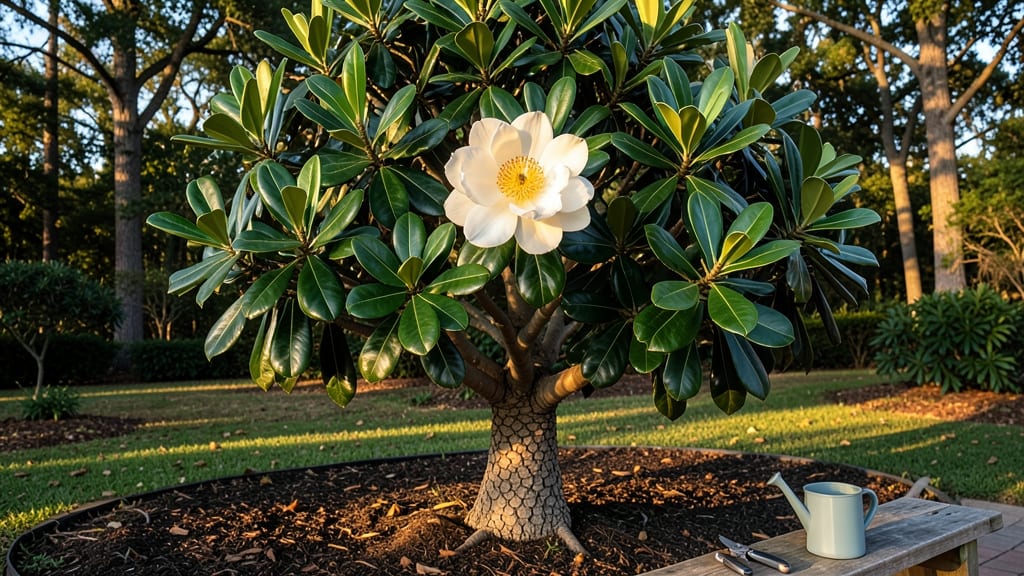
Big flowering trees turn your yard into a living canvas of color that shifts with the seasons. 🌿 I planted a crape myrtle last spring, and now it's the star of my front yard—purple blooms in summer, fiery fall foliage, and bare branches that let winter light shine through.
The key to their drama isn't just choosing the right species, but understanding how pruning extends their show from spring through late fall.
You don't need a green thumb to make this work—just a few hours of annual maintenance and basic tools. Most big flowering trees thrive in full sun, though some like dogwoods tolerate partial shade.
The soil? They're surprisingly adaptable, but well-draining ground prevents root rot. Pair them with perennials that bloom when the trees are dormant, like hellebores or winter jasmine, to keep color flowing year-round.
What you'll end up with is a garden that feels like a masterpiece, not just a yard. Imagine your crape myrtle's summer blooms reflected in a nearby pond, or your Japanese tree lilac's fragrant clusters lighting up the evening air.
The right tree can double your property's curb appeal and create a focal point that draws neighbors to admire your work. Pruning at the right time keeps them healthy and ensures every season has something spectacular to offer.
Works for any yard size—whether you're framing a driveway with a single magnolia or lining a street with a row of serviceberries. The secret is starting with the right species for your climate and giving them space to grow into their full, show-stopping potential.
Let's get your garden blooming like never before.
📚 In This Guide
- What you need
- Instructions
- Tips and common mistakes
- Wrapping up and next steps
What you need
- ● Pruning shears – Bypass pruners (for small branches, ¼"–¾" diameter)
- ● Loppers – 6"–8" cutting capacity (for branches ¾"–2" thick)
- ● Pruning saw – Curved-tooth saw for branches 2"+ in diameter
- ● Extension pole saw – 10–15 ft reach (for high branches)
- ● Gloves – Heavy-duty, cut-resistant (e.g., mechanics’ or pruning gloves)
- ● Safety goggles – ANSI-rated for debris protection
- ● Ladder – Sturdy, 20–30 ft extension ladder (if needed)
- ● Heavy-duty trash bags – 30–50 gallon (for debris)
- ○ Disposable pruning sealant (optional, for large cuts)
- ● Rag or paper towels – To clean tools between cuts
- ● First-aid kit – In case of scrapes or falls
- ● Know your tree’s bloom time (prune at the right season—e.g., late winter for spring bloomers like cherry trees).
- ● Check for diseases or pests before pruning (e.g., fire blight in crabapples).
- ● Review your tree’s growth habit—some (like weeping willows) need minimal pruning!
- ● Tree wound dressing – Controversial but useful for large wounds (e.g., Tanglefoot)
- ● Hose with nozzle – To clean sap off tools
- ● Tree pruning guidebook – Species-specific tips (e.g., “Pruning & Training” by Christopher Brickell)
- ● Friend or helper – For large, unstable trees or two-person saw work
How to prune big flowering trees for year-round beauty
Strategic pruning transforms these giants into showstoppers—here’s how to do it right.
✂️ Step 1: Time Your Pruning for Seasonal Success
Prune most flowering trees after their spring bloom but before summer heat sets in—typically late May to early June. This timing ensures you don’t cut off next year’s flower buds, which form on old wood. For spring-blooming trees like magnolias, prune immediately after flowering to avoid sacrificing blooms. Fall-bloomers like crape myrtles can wait until late winter when the tree is dormant.
I always check the tree’s bloom cycle first—this is the moment that matters. If you prune too early, you risk removing flower buds that haven’t yet formed. If you wait too long, you might encourage weak growth before winter. Watch for fresh leaf growth as your signal that buds are safely set.
🌿 Step 2: Remove Dead, Diseased, or Crowded Branches First
Start by eliminating dead, diseased, or crossing branches—these are your priorities. Use clean, sharp pruners to make 1/4-inch cuts just outside the branch collar (the swollen area where the branch meets the trunk). Never leave stubs, as they invite decay. If a branch is larger than 2 inches in diameter, use a pruning saw for clean cuts.
I look for branches that rub against others or grow straight upward—these compete for sunlight and weaken the tree. Thin the canopy by removing up to 25% of the foliage in one session, but never take more than 10% in a single year. You’ll see a noticeable difference in airflow and sunlight penetration after this step.
☀️ Step 3: Shape the Tree for Light and Airflow
Step back and visualize the tree’s natural shape—your goal is to open the canopy while preserving its form. Remove branches that grow inward or downward, as these block light and encourage pests. Aim to create a balanced silhouette with an open center, allowing sunlight to reach the lower branches. This ensures even growth and better flowering.
I like to prune branches back to a bud or lateral branch rather than cutting randomly. This encourages new growth in the right direction. For large branches, make a 3-step cut: First, undercut the branch from below, then cut from above just outside the collar, and finally remove the remaining stub. This prevents tearing the bark.
⏰ Step 4: Clean Up and Monitor for Recovery
After pruning, sterilize your tools with rubbing alcohol to prevent spreading disease. Collect and dispose of all debris—this reduces pests and fungal risks. Water the tree deeply to help it recover, especially if you’ve made large cuts. Mulch around the base with 2-3 inches of organic mulch (like shredded bark) to retain moisture and protect roots.
Watch the tree closely for the next 2-3 weeks. New growth should appear within 4-6 weeks if conditions are right. If you see yellowing leaves or oozing sap at pruning cuts, the cuts may have been too large or too close to the trunk. Adjust your technique for next time—this is how you refine your skills.
Tips & tricks for perfect big flowering tree pruning
Mastering the art of pruning big flowering trees takes practice—but these key tricks will help you achieve professional results every time.
The Seasonal Secret: I can't stress enough how critical timing is, especially in Step 1. For spring-blooming trees like magnolias, mark your calendar for immediately after flowering—this is non-negotiable if you want next year's blooms. For late spring/early summer bloomers, that late May to early June window is your sweet spot. Pro tip: Use a small flag or ribbon on the tree as a visual reminder of when you last pruned it.
Tool Technique: In Step 2, when making those 1/4-inch cuts outside the branch collar, here's what nobody tells you—sterilize your pruners between each cut. I keep rubbing alcohol in a small spray bottle and wipe down blades after every 3-4 cuts. This prevents spreading disease from one branch to another. For branches over 2 inches, I always make the undercut first—this prevents the bark from tearing when I make the final cut from above.
Visual Pruning Guide: Before you make any cuts in Step 3, step back and visualize the tree's natural shape. Hold a string or use a garden hose to outline the silhouette you want to preserve. This helps you see which branches need removal to create that balanced silhouette with open center. I've found that removing branches that grow at less than 45-degree angles from the trunk creates the most natural look while improving airflow.
Recovery Checklist: After completing Step 4, here's my post-pruning checklist: First, I always do a final walk-around to ensure no debris remains near the trunk. Then I water deeply—think 10-15 gallons for a mature tree—and apply that 2-3 inches of organic mulch in a donut shape (keeping it 6 inches away from the trunk). This helps retain moisture while preventing rot. I've seen trees recover much faster when you give them this extra care right after pruning.
Pro Tips for Big Flowering Trees
- Mastering the art of pruning big flowering trees takes practice—but these key tricks will help you achieve professional results every time.
- The Seasonal Secret: I can't stress enough how critical timing is, especially in Step 1.
- Tool Technique: In Step 2, when making those 1/4-inch cuts outside the branch collar, here's what nobody tells you—sterilize your pruners between each cut.
Frequently asked questions
Got questions about big flowering trees? You’re not alone!
Whether you're planning a landscape overhaul or just curious about keeping your trees in top shape, here are some of the most common queries—and their answers—to help you grow with confidence.
What’s the best time of year to prune big flowering trees?
Prune most flowering trees right after they bloom (late spring to early summer) to avoid cutting off next year’s flowers. Exception: Trees like dogwoods or spring-bloomers should be pruned in late winter or early spring before buds swell. Always avoid heavy pruning during active bloom—it stresses the tree and reduces flowering potential.
How do I know if I’m over-pruning my big flowering tree?
Watch for these red flags:
- Too many cuts at once: Never remove more than 25% of the tree’s canopy in a single session.
- Excessive leaf loss: Sudden defoliation signals stress, especially if you’ve hacked back branches aggressively.
- Dead or dying branches: Over-pruning can expose the tree to pests/diseases. If you see brown, brittle wood, you’ve likely gone too far.
Can I prune big flowering trees myself, or should I hire a pro?
Small tasks (deadwood removal, shaping) are DIY-friendly if you’ve got the right tools and confidence. But hire a pro for:
- Trees over 30 feet tall (safety risk!)
- Heavy structural pruning (e.g., removing large limbs)
- Disease-infected or storm-damaged trees
What if my big flowering tree isn’t blooming as much as it used to?
Common culprits:
- Over-pruning: Cutting back flower buds (often formed the prior year) reduces blooms.
- Poor nutrition: Test soil for phosphorus/potassium—key for flowering.
- Age or stress: Older trees may bloom less; check for pests, disease, or root damage.
Are there low-maintenance big flowering trees for beginners?
Try these hardy, forgiving picks:
- Crape Myrtle: Drought-tolerant, blooms summer-to-fall, and handles pruning well.
- Japanese Maple: Stunning foliage + flowers; prune lightly to shape.
- Redbud: Early spring blooms, thrives in partial shade, and recovers fast from pruning.
Wrapping up and next steps
Big flowering trees bring unmatched beauty and seasonal drama to any landscape—but their magic doesn’t happen by accident. With the right pruning strategies, you can keep them thriving year-round, ensuring vibrant blooms and healthy growth.
Whether you’re a seasoned gardener or just starting, the key is patience, timing, and a little elbow grease!
Ready to transform your yard? Start small: pick one tree, grab your tools, and give it a try! 🌸 Even small adjustments make a big difference—your future self (and your neighbors) will thank you.