Pests
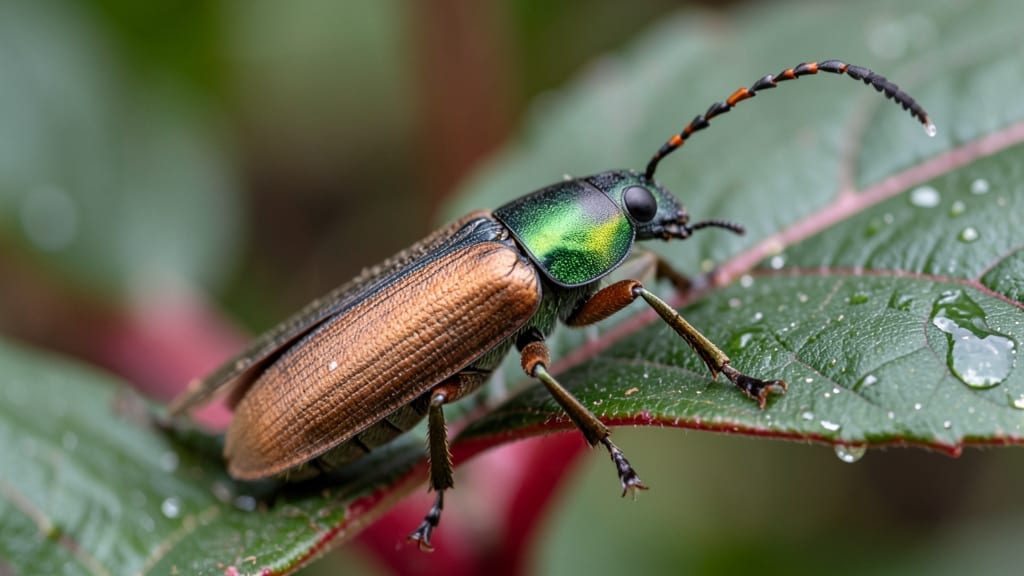
When your prized roses or perennials start looking like a woodpecker took a whittling class, you’ve met the flower longhorn beetle. 🌿 These striped, antlered pests chew through stems and leaves, leaving behind telltale sawdust-like frass that’s harder to ignore than a squirrel in your bird feeder.
I’ve battled them in my own garden, and the good news? You don’t need harsh chemicals to win this fight—just the right organic strategies.
The key is catching them early. Look for chewed leaves, tiny holes in stems, or piles of frass under plants—these are their calling cards. Adult beetles emerge in late spring, so that’s when you’ll see the most damage.
The larvae, however, do their dirty work underground or inside stems, making them sneaky little troublemakers. Pruning infested branches in the morning (when they’re sluggish) and dropping them in soapy water can cut their numbers fast.
Once you’ve identified the damage, the real game-changer is prevention. Planting neem oil-resistant herbs like lavender or rosemary nearby confuses their sense of smell, while introducing parasitic wasps (naturally) keeps their population in check.
A quick weekly check for fresh frass or new chew marks lets you strike before they strike back—no more guessing games in your garden.
This approach works for roses, peonies, and even fruit trees, so you’re not just saving one plant—you’re protecting your whole garden ecosystem. The best part? No more mystery damage, just healthy plants and a beetle-free zone. Let’s get those pests under control the natural way.
Root Causes of Beetle Attacks
Flower longhorn beetles (scientific name: Strangalia spp. or Typocerus spp.) don’t just appear out of nowhere—they’re drawn to specific conditions in your garden. Understanding these triggers helps you take proactive steps to prevent infestations. Here’s why these striking, antennaed beetles target your plants in the first place.
Longhorn beetles are specialists—they prefer weakened or stressed trees and shrubs over healthy ones. Their larvae burrow into wood, and adult beetles feed on foliage, but both stages thrive where plants are already struggling.
- Drought stress: Prolonged dry spells weaken plant defenses, making them more attractive. Actionable fix: Mulch around the base of plants to retain moisture and reduce stress.
- Nutrient deficiencies: Malnourished plants produce softer, more palatable leaves. Actionable fix: Conduct a soil test and amend with compost or organic fertilizer (e.g., fish emulsion or bone meal).
- Recent pruning or wounds: Fresh cuts expose vulnerable inner tissue, signaling to beetles that the plant is an easy target. Actionable fix: Seal pruning wounds with horticultural sealant or prune during dormant seasons.
💡 Pro Tip: Healthy plants are your first line of defense. Regularly inspect foliage for signs of disease (yellowing, wilting) and address issues before beetles arrive.
Adult longhorn beetles are drawn to decaying organic matter, especially overripe fruit, fallen leaves, and rotting wood. This provides both food and shelter for eggs and larvae.
- Fruit trees: Beetles are particularly fond of apples, cherries, and plums left to rot on the ground. Actionable fix: Harvest fruit promptly and remove all fallen debris from the orchard floor.
- Leaf litter: Thick layers of leaves or mulch create hiding spots for beetles. Actionable fix: Rake up excess leaf litter and compost it away from garden beds.
- Dead wood: Stumps, fallen branches, and even untreated firewood piles attract beetles. Actionable fix: Remove dead wood from your property and store firewood at least 20 feet away from plants.
✨ Key Insight: Beetles use scent to locate food sources. Keeping your garden clean eliminates their "smell trail" to your plants.
Longhorn beetles are seasonal pests, with activity peaking during warm, humid conditions. Their life cycle is tightly linked to temperature and moisture levels.
| Season | Why Beetles Strike | Prevention Tip |
|---|---|---|
| Spring (Emergence) | Warmer soil triggers larvae to pupate and adults to emerge. They seek fresh foliage to feed on. | Monitor plants closely in April–May and apply natural repellents (e.g., neem oil) at the first sign of activity. |
| Summer (Peak Activity) | High humidity and temperatures (75–85°F) create ideal breeding conditions. Adults lay eggs in bark crevices. | Use row covers on young plants or trap adult beetles with pheromone traps. |
| Fall (Larval Overwintering) | Larvae bore into wood to survive winter, emerging the following spring. Fallen leaves provide insulation. | Remove leaf litter and inspect tree bark for egg-laying sites (small holes or sawdust-like frass). |
🌡️ Climate Note: Regions with mild winters (e.g., Pacific Northwest, Southeast U.S.) see year-round activity, while colder climates may have shorter seasons. Adjust monitoring accordingly.
Longhorn beetles thrive when their natural predators are absent or outcompeted. A garden lacking biodiversity becomes an easy target.
- Lack of predator birds: Woodpeckers and nuthatches feed on beetle larvae but may avoid gardens with few perches or nesting sites. Actionable fix: Install birdhouses and avoid pesticides that harm birds.
- Overuse of broad-spectrum pesticides: Chemicals like synthetic pyrethroids kill beneficial insects (e.g., ladybugs, lacewings) that prey on beetle eggs. Actionable fix: Opt for targeted organic sprays (e.g., kaolin clay or insecticidal soap).
- Monoculture planting: Large patches of a single plant species (e.g., a single apple tree) make it easier for beetles to locate and infest. Actionable fix: Diversify your garden with native plants and companion species (e.g., marigolds repel some beetles).
🔥 Ecological Hack: Plant native flowering shrubs (e.g., viburnum or serviceberry) to attract predator insects and birds year-round.
Quick Fixes for Wood-Boring Beetles
If your prized plants or garden structures are under siege by flower longhorn beetles (or their close cousins), don’t panic—there are practical, organic solutions to reclaim your garden.
Below, we break down the most common causes of infestations and match them with targeted fixes, plus prevention tips to keep these pests at bay for good.
If you’ve spotted adult beetles or sawdust-like frass near sheds, fences, or garden benches, the larvae are likely tunneling inside. Here’s how to stop them:
- 🔪 Remove and Replace Damaged Wood Cut away infested sections of wood (wear gloves—some species can sting!). Replace with untreated cedar, redwood, or pressure-treated lumber, which beetles avoid.
- 🌡️ Heat Treatment for Small Items Place small wooden objects (like trellises or tool handles) in a 120°F (49°C) oven for 30–45 minutes to kill larvae. Monitor with a thermometer to avoid fire hazards.
- 🎯 Apply Mineral Oil or Horticultural Spray Coat exposed wood with mineral oil or a neem oil spray (1 tsp neem oil + 1 quart water + a drop of dish soap). Reapply every 2–3 weeks during active seasons (spring–fall).
💡 Pro Tip: Store firewood at least 20 feet away from your home and elevate it off the ground to deter beetles from migrating indoors.
When these beetles target stems, buds, or leaves, they weaken plants and leave unsightly holes. Try these organic remedies:
- 👨🍳 Handpick Adults Early in the Day Beetles are sluggish in the morning. Use tweezers or a damp cloth to remove them and drop them into soapy water. Check rose bushes, fruit trees, and ornamental shrubs regularly.
- 🥘 Use Kaolin Clay Barrier Mix kaolin clay (food-grade) with water (1:1 ratio) and spray on plant stems and leaves. The sticky residue confuses beetles and deters egg-laying. Reapply after rain.
- 🌿 Introduce Beneficial Predators Ladybugs, lacewings, and parasitic wasps (like Spilochalcis beattyi) feed on beetle larvae. Purchase them from garden centers or attract them with native flowering plants (e.g., dill, fennel, or yarrow).
✨ Prevention Tip: Prune plants in late winter to remove overwintering eggs and reduce next year’s infestation.
If you’ve spotted them indoors—near windows, lights, or wooden cabinets—they likely flew in from nearby infested wood. Act fast:
- 🪟 Seal Entry Points Inspect for gaps around windows, doors, and vents. Use caulk or fine mesh screens to block entry. Pay special attention to eaves and attic vents.
- 🕯️ Reduce Outdoor Lighting Longhorn beetles are attracted to porch lights and white LED bulbs. Switch to yellow bug lights or motion-activated lights to minimize their interest.
- 🧹 Vacuum Up Adults Indoors Use a shop vac or handheld vacuum to suck up beetles from walls, ceilings, and furniture. Empty the vacuum outside immediately to prevent escape.
🎯 Long-Term Fix: Replace any soft, untreated wood (like plywood or pine) in your home with hardwoods like oak or maple, which beetles rarely target.
With these targeted solutions, you can eliminate existing infestations and prevent future ones—all while keeping your garden chemical-free. Consistency is key, so combine fixes and monitor your space regularly!
Frequently asked questions
What do flower longhorn beetles look like?
Adults are striking with long, striped antennae (often 2-3x their body length) and vibrant colors—black, brown, or orange with yellow bands. Their bodies are slender and 1/2 to 1 inch long. Look for sawdust-like frass (wood shavings) near plants or wood as a key clue to their presence.
Are flower longhorn beetles harmful to humans?
While they don’t bite or sting, some species can release a mild irritant when handled. The real concern is their damage to plants—larvae tunnel through stems and wood, while adults chew leaves. Their presence weakens plants, making them vulnerable to disease. Always wear gloves when removing them!
How can I tell if my plants have a beetle infestation?
Watch for chewed leaves with irregular edges, small holes in stems, or piles of sawdust-like frass near the base. For wood structures, check for tiny exit holes (1/8 inch) or weakened areas. Inspect in morning or evening when adults are most active.
What’s the best organic spray to deter them?
Try a neem oil spray (1 tsp neem oil + 1 quart water + drop of dish soap) or kaolin clay (food-grade). Spray on leaves and stems every 7-10 days during active seasons. For wood, use mineral oil—it smothers larvae. Reapply after rain.
Can I use pheromone traps for flower longhorn beetles?
Yes! Pheromone traps are effective for monitoring and reducing adult populations. Place them near infested areas in spring/summer when beetles are most active. Check traps weekly and replace lures every 4-6 weeks. This method works best as part of an integrated pest management plan.