Companion Plants
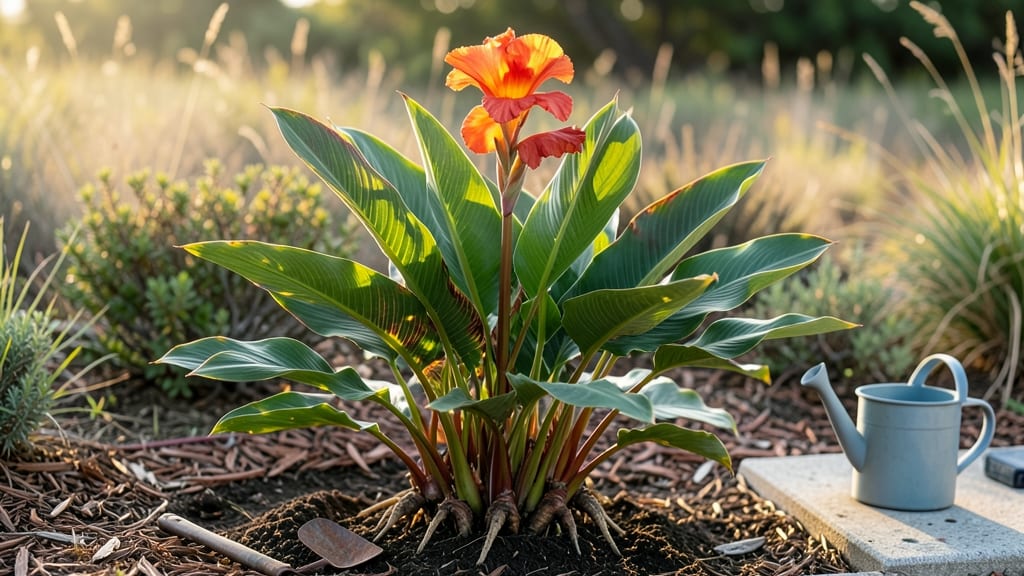
Rhizome flowering plants multiply like magic—one plant becomes ten in a season with almost no effort from you. 🌱 I’ve watched my cannas and ginger lilies spread across garden beds, turning a single purchase into a lush, low-maintenance display that blooms for months.
The secret lies in their underground stems, which store energy and shoot up new growth year after year.
You’ll need well-draining soil, at least 6 hours of sunlight daily, and a spot where they can spread without competition. Most rhizomes hate soggy roots, so raised beds or slightly elevated areas work best.
Once planted, water deeply once a week—these plants thrive on neglect once established. The real work? Dividing clumps every 2-3 years to keep them vigorous and prevent overcrowding.
By summer’s end, you’ll have a garden that feeds itself—new shoots popping up where you least expect them. The blooms arrive in bold waves: cannas’ tropical spikes, irises’ sword-like leaves, or ginger lilies’ fiery red flowers.
Even pests steer clear, as the dense foliage deters many common garden invaders. The best part? You’ll have extra rhizomes to share or replant, creating free plants for friends or new garden spots.
Works in borders, containers, or even as ground covers—just give them room to stretch. Start with one variety this season, and let the garden do the rest. Before you know it, you’ll be the one everyone asks for cuttings.
📚 In This Guide
- What you need
- Instructions
- Tips and common mistakes
- Wrapping up and next steps
What you need
- ● Rhizome plants: 1–3 tubers or divisions of Iris, Canna, Hosta, or Daylily (choose 1–2 varieties for simplicity).
- ○ Optional: Rare or heirloom rhizomes (e.g., Tricyrtis for fall blooms).
- ● Soil: 5–10 gallons of well-draining potting mix (or garden soil amended with compost and perlite for loose texture).
- ○ Optional: Peat moss (for moisture retention in sandy soils).
- ● Containers (if not planting in-ground): 1–2 wide, shallow pots (12–18" diameter) with drainage holes.
- ○ Optional: Fabric grow bags (for better aeration).
- ● Tools: 1 trowel (for transplanting).
- ● 1 pruning shears (to trim dead foliage).
- ● 1 watering can (with a rose nozzle for gentle watering).
- ○ Optional: Garden gloves (to protect hands from sharp rhizome edges).
- ● Sunlight: Confirm your garden spot gets 6+ hours of sunlight daily (adjust for shade-loving varieties like Hosta).
- ● Water source: Access to soft water (tap water is fine; avoid hard water for long-term pots).
- ● Climate check: Verify your USDA Hardiness Zone (most rhizomes thrive in Zones 5–9).
- ● Patience: Rhizomes multiply slowly—plan for 1–2 growing seasons to see full spreads! 🐢
How to grow and maintain rhizome flowering plants for year-round color
Here’s the straightforward approach I’ve used to turn a single rhizome into a thriving garden corner that blooms season after season.
🌱 Step 1: Select the Right Rhizomes for Your Climate
Start with hardy rhizome varieties like canna lilies, ginger lilies, or hostas—these multiply easily in most climates. I always check the USDA hardiness zone for my plants to ensure they’ll survive winters. For example, canna lilies thrive in zones 8-11, while hostas handle zones 3-9. Buy healthy rhizomes with firm, plump tubers and no signs of rot or mold.
If you’re unsure, ask the nursery for rhizomes that have already proven themselves in your area. I’ve found that local garden centers often carry well-adapted varieties. Avoid rhizomes with soft spots or shriveled growth—they won’t establish well. Store them in a cool, dry place until planting season arrives.
🪴 Step 2: Plant Rhizomes at the Right Depth and Spacing
Dig a hole 2-3 inches deep for most rhizomes, placing them horizontally with the buds or "eyes" facing upward. This ensures they’ll sprout correctly and grow strong. Space them 12-18 inches apart to allow room for expansion—rhizomes spread aggressively, and crowding leads to weak stems and fewer blooms.
Mix the potting mix or garden soil with a handful of compost to improve drainage and fertility. Rhizomes rot easily in soggy soil, so avoid heavy clay. After planting, cover the rhizomes with 1-2 inches of soil, leaving the buds exposed if possible. Water lightly to settle the soil around them.
☀️ Step 3: Provide Sunlight and Water Wisely
Most rhizome flowering plants need full sun to partial shade, depending on the variety. Canna lilies love 6+ hours of direct sun, while hostas prefer morning sun and afternoon shade. I always observe how my plants react in the first few weeks—if leaves yellow or stems flop, they need more shade.
Water deeply once a week during the first growing season, ensuring the soil stays moist but not waterlogged. Overwatering is the fastest way to kill rhizomes. Once established, most varieties tolerate drought better than soggy conditions. Mulch with 2-3 inches of organic mulch to retain moisture and regulate soil temperature.
✂️ Step 4: Divide and Multiply Every 2-3 Years
Rhizomes multiply quickly, so dig them up every 2-3 years to divide and replant. I wait until early spring or fall, when the plant is dormant. Gently lift the clump and separate it into smaller sections, ensuring each piece has at least one bud. Replant immediately in fresh soil.
This step keeps your plants vigorous and prevents overcrowding. I’ve found that dividing rhizomes in fall gives them extra time to establish roots before winter, while spring division ensures a full bloom season. Discard any soft or diseased sections—don’t risk spreading problems to healthy plants.
⏰ Step 5: Protect in Winter and Encourage Year-Round Growth
In colder climates, mulch heavily with 4-6 inches of straw or leaves to insulate rhizomes through winter. I’ve seen canna lilies survive zone 7 winters with this protection. In warmer zones, no extra care is needed—just reduce watering slightly during dormancy.
To extend blooms, deadhead spent flowers regularly. This encourages new growth and prevents the plant from wasting energy on seed production. I also fertilize lightly in early spring with a balanced 10-10-10 fertilizer to jumpstart growth. With minimal effort, your rhizomes will reward you with year-round color and easy propagation.
Tips & tricks for perfect rhizome flowering plants
Here’s what I’ve learned over years of growing vibrant rhizome gardens—simple tricks that make all the difference between a struggling patch and a showstopping display.
Climate Matching: Double-check your USDA hardiness zone before buying rhizomes. I once bought canna lilies for zone 8, only to watch them freeze in my zone 7 garden. Local nurseries often carry varieties that thrive in your specific microclimate—ask them! Also, store your rhizomes in a cool, dry basement or garage until planting season to prevent premature sprouting.
Planting Precision: When planting in Step 2, use a ruler to measure your 2-3 inch depth—eyeballing often leads to rhizomes buried too shallow or too deep. I mark the depth with a pencil on the shovel to ensure consistency. For container growing, use pots with drainage holes and fill the bottom third with gravel to prevent root rot.
Watering Wisdom: The deep watering once a week rule works best when you water slowly until moisture reaches 6-8 inches deep. I use a trowel to check soil moisture—if it’s dry at that depth, it’s time to water. In extreme heat, you might need to water twice weekly, but always let the top inch dry between waterings to prevent fungal issues.
Division Strategy: For Step 4, I’ve found that dividing in early fall gives rhizomes time to establish roots before winter, while spring division ensures summer blooms. When separating clumps, look for natural divisions where roots meet—these pieces will establish fastest. Keep the largest, healthiest sections for replanting and share the extras with fellow gardeners!
Pro Tips for Rhizome Flowering Plants
- Here’s what I’ve learned over years of growing vibrant rhizome gardens—simple tricks that make all the difference bet...
- Climate Matching: Double-check your USDA hardiness zone before buying rhizomes. I once bought canna lilies for zone 8...
- Planting Precision: When planting in Step 2, use a ruler to measure your 2-3 inch depth—eyeballing often leads to rhi...
Frequently asked questions
Got questions about growing rhizome flowering plants? You’re not alone!
These hardy perennials are low-maintenance but still spark curiosity—especially for new gardeners. Below, we’ve rounded up the most common questions (and answers) to help you grow with confidence.
What’s the easiest rhizome flowering plant for beginners?
Start with Canna lilies or Hosta—both are forgiving, fast-growing, and thrive in partial shade. Daylilies (Hemerocallis) are another great pick: they multiply quickly, handle neglect, and bloom prolifically with minimal care. Pro tip: Choose varieties labeled "beginner-friendly" or "low-maintenance" for foolproof results!
How long does it take for rhizomes to flower after planting?
Most rhizome flowering plants take 1–2 years to establish and bloom, depending on the species. Daylilies may flower in their first year if planted in spring, while Iris or Bee Balm often wait until their second season. Patience pays off! Focus on healthy foliage first—strong roots = bigger blooms later.
Can rhizome plants survive harsh winters or hot summers?
Many rhizome plants are hardy in USDA Zones 3–10, but some need seasonal adjustments. Canna lilies and Tropical Ginger are tender—dig up tubers in fall and store them indoors. Daylilies and Iris, however, handle cold snaps well. Mulch in winter (straw or shredded leaves) to protect roots from freeze-thaw cycles.
How do I divide rhizomes to keep them from overcrowding?
Divide rhizomes every 3–4 years in early spring or fall. Gently dig up clumps, separate sections with a clean knife (keep 2–3 "eyes" or growth points per division), and replant 2–3 inches deep. Warning: Some rhizomes (like Iris) have fleshy roots—handle them carefully to avoid damage. Water well after transplanting!
What’s a good alternative if my rhizome plants aren’t flowering?
If blooms are sparse, check these fixes:
- Light: Some rhizomes (e.g., Hosta) need partial shade—too much sun can stress them.
- Fertilizer: Use a balanced, low-nitrogen feed (like 5-10-5) in early spring to encourage flowering.
- Deadheading: Snip spent blooms to redirect energy to new flowers.
- Age: Young plants may need 1–2 years to mature.
Wrapping up and next steps
Rhizome flowering plants are the ultimate low-maintenance superstars for gardeners who crave beauty without the fuss! 🌿 From vibrant blooms to lush foliage, these hardy plants thrive year-round with minimal care—making them perfect for both beginners and seasoned green thumbs.
Whether you're expanding your garden, filling gaps, or simply adding color, rhizomes are your secret weapon for effortless growth.
Ready to transform your space? Start small—plant a few rhizomes in a sunny spot, observe their magic, and soon you’ll be sharing cuttings (or even selling starts!) with fellow plant lovers. Your garden’s next chapter begins with a single rhizome! 🌸