
Pests
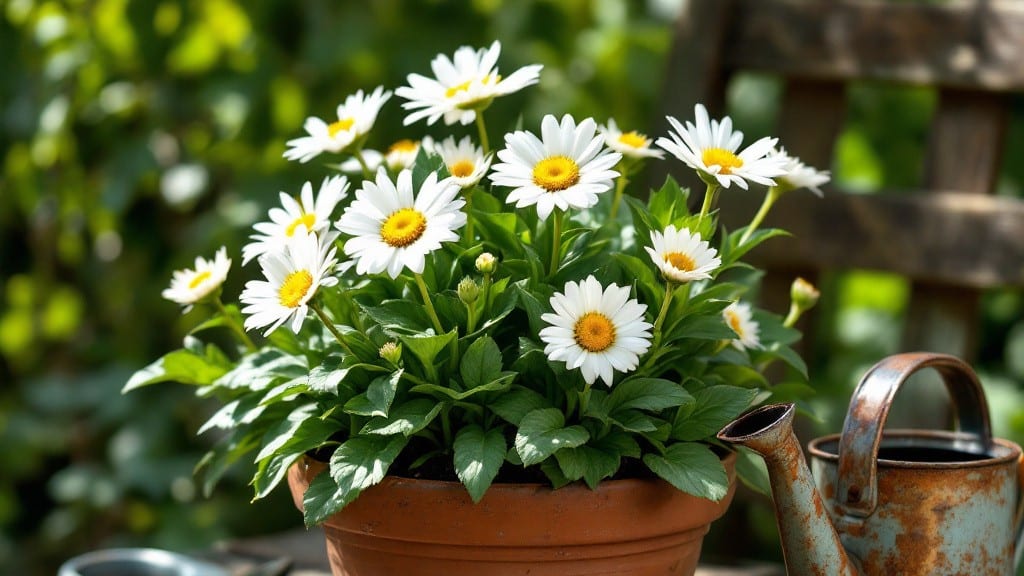
Eating daisy flower petals safely means sticking to proven edible varieties like Chicory, Cornflower, or Oxeye Daisy. Always trim the bitter white centers, rinse them well, and use them sparingly in dishes to prevent stomach upset. Double-check your plant ID before eating—some wild daisies can be toxic.
Many people overlook how versatile edible daisy petals can be in cooking, far beyond just salads. 🌼 Chicory petals, for example, add a slightly bitter, coffee-like depth to teas and desserts, while Cornflower petals lend a mild sweetness perfect for garnishes or baked goods.
I’ve found that freezing petals in ice cubes elevates cocktails, and drying them preserves their delicate flavors for months. The key is balancing their intensity—start with small amounts and adjust to taste.
What’s fascinating is how these petals interact with other ingredients. Pair Cornflower petals with citrusy seafood dishes to brighten the plate, or blend Oxeye Daisy petals into honey for a floral twist.
Just remember: never eat wild daisies unless you’re absolutely certain of their identity—some lookalikes can be dangerous. Always err on the side of caution when foraging!
💡 In This Article
- Identifying Edible Daisy Petals vs Toxic Lookalikes
- Culinary Uses for Daisy Petals Beyond Salads
Identifying edible daisy petals vs toxic lookalikes
Here's what's actually happening when you misidentify wild daisies: the difference between safe varieties and deadly doppelgängers often comes down to leaf arrangement and stem structure.
Edible daisies like Chicory and Cornflower typically have alternate leaves along their stems, with leaf edges that are either smooth or slightly serrated but never deeply lobed. Their stems are usually hairless and hollow when cut, with a milky sap that's harmless when touched.
The key factor is that these safe varieties belong to the Asteraceae family and lack the carrot-like odor that signals toxic relatives.
The most dangerous lookalikes—like Poison Hemlock (Conium maculatum) or Water Hemlock (Cicuta spp.)—have deeply divided, fern-like leaves arranged in a triplet pattern along the stem. Their stems are ridged and often purplish at the base, with a musty, mousy odor when crushed.
Water Hemlock's roots grow in clusters of white tubers that resemble ginger, while its stems contain cicutoxin, a neurotoxin that can be fatal in doses as small as 0.15 grams—about the weight of a paperclip. 🔥 These plants thrive in wet areas, while edible daisies prefer drier, well-drained soils.
What most people don't realize is how regional growth patterns affect identification. In the eastern U.S., Black-Eyed Susan (Rudbeckia hirta) is safe but shares the same yellow petals as toxic Golden Ragwort (Packera aurea).
The distinction? Safe varieties have hairy stems and smooth-edged leaves, while Ragwort has smooth stems and toothed leaves. In Europe, Oxeye Daisy grows abundantly, but its toxic cousin Coltsfoot (Tussilago farfara) has yellow flowers that bloom before its leaves appear—a classic case of "flower first" signaling danger.
Always check the root structure: edible daisies have tapered, fibrous roots, while toxic species often have thick, fleshy roots.
Visual cues are your best defense. Safe daisy petals have five white rays (in Cornflower) or blue/purple centers (in Chicory), while toxic lookalikes often display yellow centers or irregular petal patterns. The white base of edible petals is bitter—this is your plant's natural defense mechanism to deter herbivores.
When foraging, use a field guide specific to your region and cross-reference with three reliable sources. Never eat a plant unless you've physically examined its entire structure, including leaves, stems, and roots. A single misidentified plant could mean severe poisoning within hours.
Here's a quick comparison of critical markers:
- Edible Daisies: Alternate leaves, hollow stems, milky sap, five-petaled flowers, grows in dry areas
- Toxic Lookalikes: Fern-like leaves, ridged stems, musty odor, irregular petal counts, thrives in wet areas
The science behind this involves secondary metabolites—chemical compounds plants produce to deter predators. Edible daisies contain flavonoids and volatile oils that give them their mild flavors, while toxic species produce alkaloids or polyacetylenes that disrupt human nervous systems.
For example, Poison Hemlock contains coniine, which blocks nerve signals—similar to how curare works, but far more deadly. Always remember: when in doubt, throw it out. Your taste buds aren't worth the risk. ✨