Pests
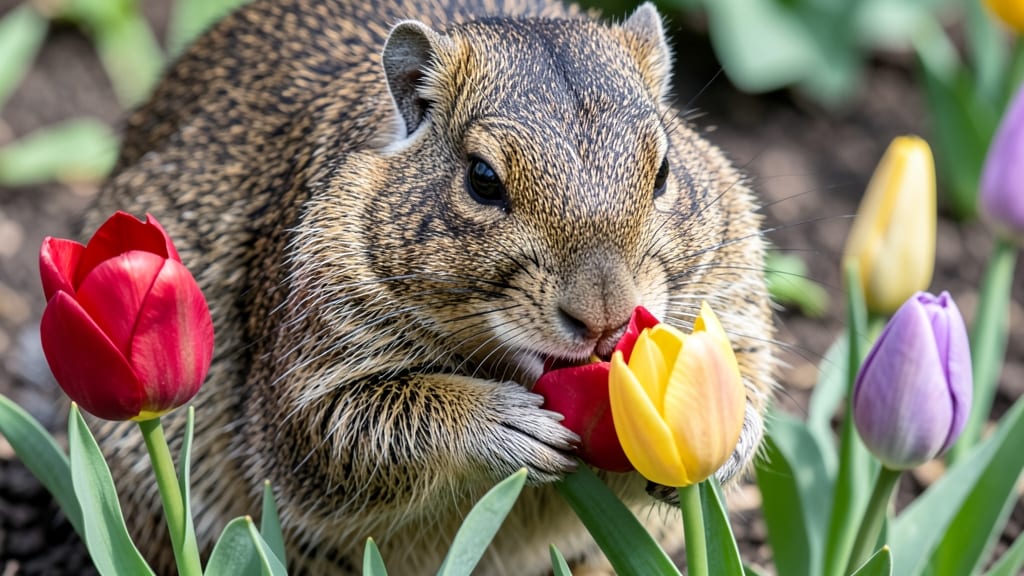
Groundhogs eating flowers isn’t just annoying—it’s a full-blown garden war. 🌱 I’ve lost entire beds of tulips and peonies to these burrowing bullies, but I’ve also learned which humane deterrents actually work without harming the critters.
The key is combining smart barriers, taste-based repellents, and habitat tweaks that make your yard less appealing than the meadow next door.
Most people grab wire fencing or sprinklers and call it a day, but groundhogs are smarter than that. A 6-foot-tall fence buried 12 inches deep (yes, really) is your first line of defense, but you’ll also need to disrupt their digging instincts.
Castor oil-based sprays, predator urine (fox or coyote), and even crushed garlic cloves around plant bases send strong messages. The goal? Make your garden taste terrible and feel unsafe.
What you’ll end up with is a yard where flowers bloom undisturbed, not a buffet for groundhogs. My late-spring plantings now thrive because I layered deterrents—fencing, repellents, and even a few deterrent crops like daffodils (which they hate).
The best part? These methods work all season, from March diggings to fall munching. No more waking up to chewed petals.
Regional tweaks matter: Northern gardeners face peak activity from February to May, while Southerners deal with them year-round. Adjust timing and fence depth accordingly. Here’s the full playbook for keeping your garden—and your sanity—intact.
The Hidden Drivers Behind Plant Feasting
Groundhogs—those chubby, burrowing critters—aren’t just digging holes; they’re also turning your garden into a buffet. But why do they specifically go after flowers? The answer lies in a mix of instinct, biology, and environmental cues.
Let’s break down the key reasons these rodents munch on your blooms—and what it tells us about their behavior.
Groundhogs (also called woodchucks) are herbivores with a preference for tender, nutrient-rich plants. While they can graze on grasses, clover, and vegetables, flowers—especially young, succulent ones—are a high-value snack for several reasons:
- High Water Content: Flowers like tulips, daffodils, and hostas are often juicier than mature leaves, making them easier to digest and hydrating.
- Low Fiber, High Sugar: Petals and stems can contain simple sugars (like nectar or pollen residues), which provide a quick energy boost—critical for groundhogs preparing for hibernation.
- Calcium & Minerals: Some flowers (e.g., roses, lilacs) offer calcium from their stems or seed pods, essential for bone health in rapidly growing young groundhogs.
Fun fact: Groundhogs have strong, chisel-like incisors perfect for snipping stems cleanly—no messy leaves left behind!
Groundhogs aren’t just random snackers; their flower-munching habits are tied to their annual cycle:
| Season | Why They Eat Flowers | Actionable Clue for You |
|---|---|---|
| Early Spring | Post-hibernation, they’re starving and seek easy calories. Bulbs (like tulips) are soft and energy-dense. | Protect newly planted flowers with chicken wire or mesh cages. |
| Late Summer | Groundhogs fatten up for winter, targeting high-sugar blooms (e.g., daylilies, marigolds). | Remove spent flowers and mulch heavily to deter digging. |
| Fall | They cache food for winter, often dragging flowers into burrows to eat later. | Harvest susceptible flowers early or use repellents. |
Pro tip: 💡 Mature groundhogs (2+ years old) eat 50% more than juveniles—so if you’ve had them around for a while, your flower beds are high-risk zones.
Groundhogs don’t choose to eat your flowers—they’re opportunistic foragers when their preferred wild diet is scarce. Here’s how your landscape might be inviting them:
- Lack of Natural Food Sources: If your yard lacks clover, dandelions, or wild grasses, groundhogs will raid your garden instead.
(Ironically, many homeowners remove these plants, pushing groundhogs toward ornamentals!) - Water Scarcity: Flowers with deep roots (like peonies) can access moisture groundhogs need, especially in dry spells. - Shelter Proximity: If they’ve burrowed near your flower beds, they’re less likely to travel far for meals—your garden becomes their pantry.
Warning: 🚨 A single groundhog can destroy 10+ square feet of flowers in a week if undisturbed. Early intervention is key!
Groundhogs have excellent memories and mark favorite food spots.
If they find your flowers tasty once, they’ll: - Cache excess flowers in their burrows (like squirrels with nuts). - Teach younger groundhogs the location of your garden (yes, they communicate!). - Associate your yard with easy meals, increasing repeat visits.
Science note: Studies show groundhogs use olfactory cues (smell) to locate food. Once they sniff out a favorite flower, they’ll return—even if you replant!
Sometimes, groundhogs turn to flowers out of necessity, not preference.
Watch for these red flags: - Overcrowding: Too many groundhogs in an area (common in suburban sprawl) forces them to compete for food. - Pesticide Use: If you’ve sprayed chemicals, groundhogs may avoid their usual wild foods and seek untreated garden plants instead. - Predator Pressure: Coyotes or dogs nearby?
Groundhogs may stay closer to home and raid gardens more frequently.
Solution: 🌡️ Reduce stress factors by providing alternative food sources (like a small patch of clover) to distract them.
Humane Ways to Stop Garden Damage
Groundhogs may be adorable, but their love for flowers, bulbs, and tender plants can turn your garden into a buffet—fast! The good news? You don’t need to resort to traps or harm to keep them out. Here’s how to deter groundhogs naturally while protecting your prized plants.
Groundhogs dig tunnels and burrow near gardens, giving them easy access to your flowers. Cut off their entry with these simple fixes:
- 🔨 Install Wire Mesh Barriers Bury hardware cloth (1/4-inch or smaller mesh) at least 12 inches deep around garden beds, flower patches, and bulb areas. Extend it 6–12 inches above ground—groundhogs are strong diggers!
Secure the top with stakes or rocks to prevent them from tunneling underneath. Pro Tip: 💡 Avoid chicken wire—it’s too flimsy and can be chewed through.
- 🌱 Plant Groundhog-Resistant Flowers Some plants are less appealing (or too tough) for groundhogs.
Try: - Daffodils (toxic to them!) - Alliums (onion family—strong scent deters burrowers) - Lavender (fragrant but unpalatable) - Marigolds (bitter taste) Warning: ⚠️ Even "resistant" plants can be snacked on—combine with physical barriers for best results.
Groundhogs have a strong sense of smell and taste, so strong scents or bitter flavors can keep them away. Here’s what works:
- 🌶️ Spicy or Pungent Sprays Mix hot pepper flakes, garlic, or cayenne powder with water and a little dish soap (as a stickiness agent).
Spray around garden edges, flower beds, and burrow entrances. Reapply after rain. Pro Tip: 🔥 Add a few drops of predator urine (coyote or fox)—the scent signals danger and deters groundhogs.
- 🧄 Place Physical Deterrents Groundhogs dislike unexpected textures or vibrations. Try:
- Crushed eggshells or gravel around plants (disrupts digging).
- Plastic predator pins (like those for deer) near entry points.
- Motion-activated sprinklers (startles them without harm).
A hungry groundhog will keep coming back. Make your garden less inviting by:
- 🌱 Secure Compost & Mulch Piles Groundhogs love digging in loose soil and organic matter. Store compost in metal bins with tight lids and avoid thick mulch layers near vulnerable plants.
- 🏡 Eliminate Burrows Nearby If you find an active groundhog den, fill it with rocks or gravel (don’t use concrete—it can harm them). Seal the entrance with wire mesh to prevent reuse. Warning: ⚠️ Never trap or relocate groundhogs—it’s illegal in many areas and often ineffective.
- 🍎 Keep Pet Food & Birdseed Away Accidental feedings (like spilled birdseed or pet food) attract groundhogs. Store feeders far from gardens and clean up spills promptly.
Once you’ve deterred them, keep them gone for good with these habits:
- 🌡️ Monitor & Rotate Methods Groundhogs can get used to repellents. Switch up scents or barriers every few weeks to stay ahead.
- 🎯 Plant a "Sacrificial Garden" Dedicate a small, unimportant patch of flowers or veggies as a distraction. Groundhogs may prefer it over your prized roses!
- 🔍 Check for Signs Early Look for:
- Freshly dug holes (12+ inches wide).
- Chewed stems or missing bulbs.
- Gnaw marks on bark or plant bases. Act fast—groundhogs work quickly!
Final Thought: 🌟 With a mix of barriers, repellents, and smart gardening, you can enjoy your flowers without becoming a groundhog buffet. Start with one or two methods, observe what works, and adjust as needed. Happy (and pest-free) gardening!
Frequently asked questions about groundhogs and flower gardens
Why do groundhogs specifically target flowers instead of grass or vegetables?
Flowers are a high-value snack for groundhogs because they're often juicier and packed with sugars—perfect for their post-hibernation energy needs. Plus, tender petals and stems are easier to digest than fibrous leaves. They also seek out calcium-rich stems, especially during growth seasons when they need strong bones.
What’s the most effective humane deterrent for protecting flower beds?
A 6-foot-tall hardware cloth fence buried 12 inches deep is the gold standard. For smaller areas, combine castor oil-based repellents with crushed garlic cloves around plant bases. Motion-activated sprinklers also work well—they startle groundhogs without harming them.
Can I plant flowers that groundhogs won’t eat?
Yes! Try daffodils, alliums, or lavender—groundhogs dislike their strong scents. Marigolds and snapdragons are also less appealing. However, no plant is 100% safe, so pair resistant flowers with physical barriers for best results.
How do I know if groundhogs are the culprits behind my damaged flowers?
Look for clean-cut stems (their teeth leave sharp edges) and 12-inch-wide holes near your garden. Groundhogs rarely leave behind leaves—they go straight for the tasty parts. Check for fresh digging in early spring or late summer, when they’re most active.
Will predator urine really keep groundhogs away?
Predator urine (fox or coyote) mimics natural threats and deters groundhogs through scent. Just apply it around garden edges and burrow entrances—reapply every 2-3 weeks or after rain. The smell signals danger, making your yard less appealing than open fields.