
Vegetables
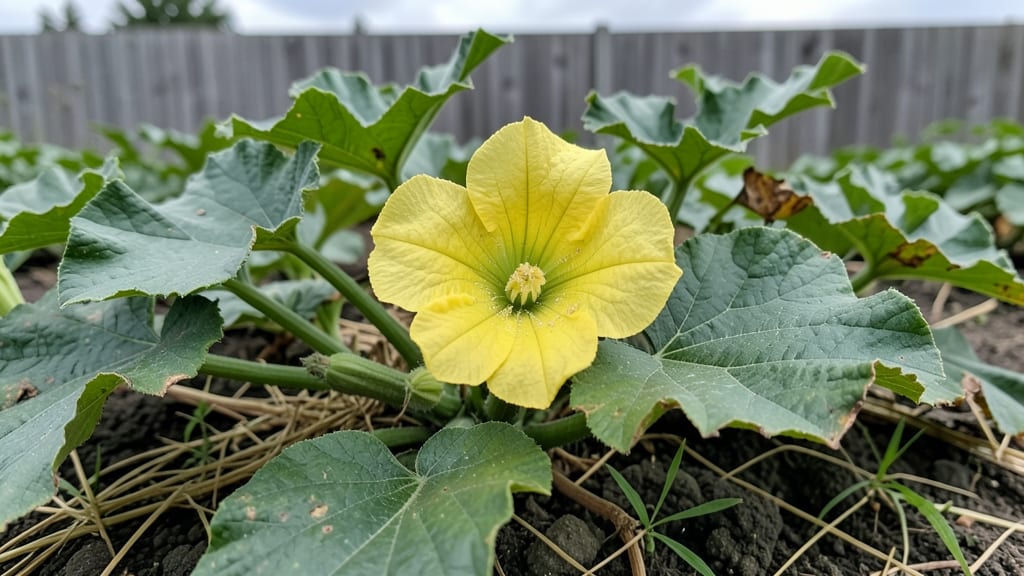
Edible zucchini flower stamens offer a delicate, slightly peppery flavor that elevates dishes as a garnish or ingredient, though many gardeners still toss them as waste. Harvest them when flowers fully bloom, then rinse and use fresh in salads, pasta, or fried preparations.
These floral buds pack a surprising punch of flavor—think of a cross between black pepper and fresh herbs with a hint of sweetness. 🌿 Many chefs in Italy and France swear by them as a sophisticated garnish, but they also work beautifully in homemade dishes like risotto or tempura.
The key is using them immediately after harvesting, as their texture and taste degrade quickly once picked. If you're growing zucchini, these stamens are a free, flavorful bonus that turns kitchen scraps into culinary gold.
For best results, pluck stamens in the morning when they're at their freshest and most vibrant. Store them in a damp paper towel in the fridge for up to 24 hours, or freeze them in olive oil for longer preservation.
This simple technique lets you enjoy their unique taste year-round without sacrificing quality.
💡 In This Article
- Identifying and Harvesting Edible Zucchini Stamens
- Culinary Uses Beyond Garnish: Zucchini Stamen Recipes
Identifying and harvesting edible zucchini stamens
Timing is everything when harvesting zucchini stamens for peak flavor. The best window is early morning after dew has evaporated but before the sun intensifies—typically between 7:00 AM and 9:00 AM.
This is when the stamens are fully extended (about 1-2 inches long) and their delicate, slightly peppery compounds are most concentrated.
The flowers themselves should be wide open, revealing bright yellow pollen dusting the stamens, rather than still in bud form. 🌞 What most gardeners miss is that stamens harvested from partially closed flowers taste bitter and underdeveloped.
Separating the stamens safely requires gentle technique to avoid damaging their tender structure. Start by holding the flower stem firmly and twisting your fingers upward—this motion detaches the entire stamen cluster cleanly from the ovary.
Avoid cutting with scissors, as this severs the delicate filaments and releases bitter compounds from the base. Once removed, rinse the stamens under cold water for just 5-10 seconds to remove pollen without soaking them, which causes them to wilt.
Pat dry immediately with a paper towel to preserve their crisp texture.
Storage makes all the difference in maintaining their vibrant flavor and texture. For short-term use (24 hours), wrap the stamens in a damp paper towel and store them in a sealed container in the refrigerator's crisper drawer.
The humidity slows moisture loss while the cold preserves their peppery compounds. For longer storage, freeze them in 1 tablespoon portions of olive oil—this both preserves their flavor and creates a ready-to-use frying oil for later.
The oil also prevents freezer burn, which would otherwise dry out the stamens' delicate structure.
Here's what happens if you harvest too late: Stamens left on the plant past 10:00 AM begin to wilt and develop a grassy, off-flavor as their natural sugars convert to starch. The pollen also oxidizes, creating a slightly metallic aftertaste.
Even worse, stamens from flowers that have already been pollinated (indicated by a swollen ovary at the base) contain bitter alkaloids that make them inedible. Always prioritize fully open, unpollinated flowers for the best results.
Consider these key factors when choosing stamens for cooking:
- Color: Bright yellow stamens indicate freshness, while dull or brownish ones are past their prime
- Length: Opt for stamens that are 1-2 inches long—they're at peak flavor development
- Texture: They should feel firm yet slightly springy, not limp or rubbery
- Quantity: One medium zucchini plant yields about 50-100 stamens per day during peak bloom
The science behind their flavor lies in their chemical composition: zucchini stamens contain 0.3-0.5% volatile oils including linalool (which contributes floral notes) and small amounts of capsaicin-like compounds that create the peppery kick.
These compounds are most stable when harvested fresh and used immediately—cooking them at temperatures above 350°F can degrade up to 30% of these flavor molecules within 3 minutes. This is why they shine in raw applications like salads or as a topping for warm dishes.