
Watering
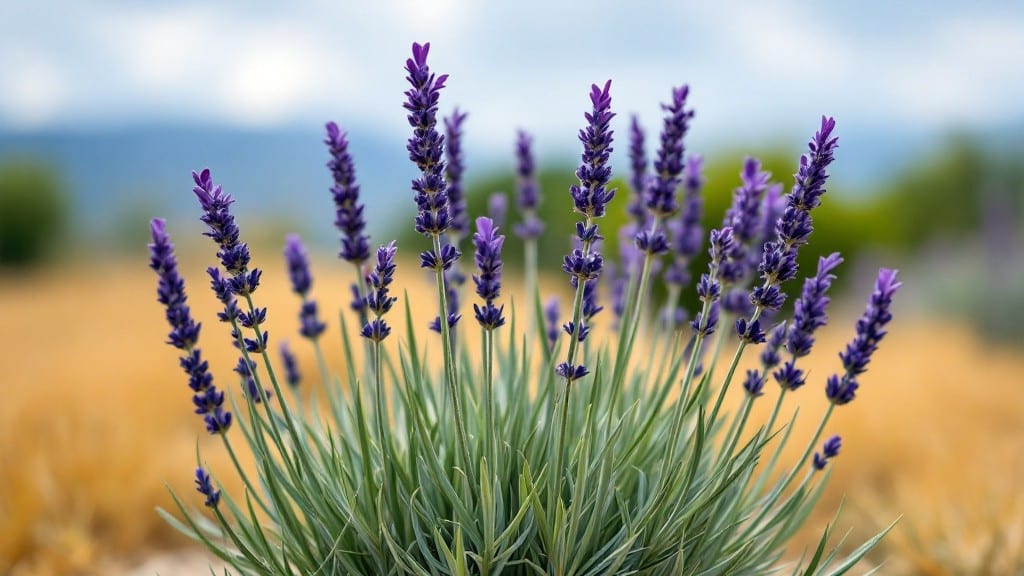
Drought-tolerant flowering plants like lavender, yarrow, and sedum thrive with minimal water by developing deep root systems and waxy leaves to retain moisture while producing vibrant blooms. These hardy species require little maintenance and attract pollinators, making them ideal for arid climates or low-water gardens.
These resilient bloomers aren't just survivors—they're showstoppers in water-wise landscapes. 🌸 Their secret lies in specialized adaptations like thick, fleshy leaves that store water and shallow but widespread roots that capture every drop of rain. Many also bloom in short bursts when moisture is available, conserving energy during dry spells.
I've seen blanket flower (Gaillardia) and black-eyed Susan turn drought-stricken patches into riotous color displays with almost no irrigation after establishment.
What's fascinating is how their flowering cycles sync with nature's water patterns. Some, like desert marigold, bloom early when soil moisture is highest, while others like Russian sage stretch their season by producing new growth from the base even as upper stems dry out.
This dual strategy ensures continuous interest while minimizing water demands—perfect for busy gardeners or areas where conservation matters most.
💡 In This Article
- How Drought-Resistant Flowers Survive Water Scarcity
- Best Drought-Tolerant Annuals and Perennials for Low-Maintenance Gardens
How drought-resistant flowers survive water scarcity
Here's what's actually happening underground and in the leaves: these plants have evolved specialized survival strategies that go far beyond just "needing less water." Take succulents like sedum, which store water in their thick, fleshy leaves through a process called crassulacean acid metabolism (CAM).
This unique photosynthesis pathway opens their stomata (pores) at night to absorb CO2, then stores it as malic acid until daylight when they can photosynthesize without losing moisture.
This lets them thrive with as little as 0.5 inches of water per month once established—about what falls naturally in many desert regions.
The root systems tell an equally fascinating story. While some like yarrow develop deep taproots reaching 3-5 feet to tap into groundwater, others like blanket flower spread horizontally with shallow but extensive roots that capture surface moisture efficiently.
What's remarkable is how these systems adapt: in prolonged dry spells, plants like Russian sage can shed up to 70% of their leaves to reduce water loss while keeping their root systems active.
This drought-triggered dormancy isn't true hibernation—it's a strategic conservation mode that lets them bounce back quickly when rain returns.
What most people don't realize is how their flowering cycles are directly tied to water availability. Many drought-tolerant flowers like desert marigold bloom in short, intense bursts timed with seasonal rains, while others like salvia produce staggered blooms from the base up. This isn't random—it's an energy conservation strategy.
The plant invests resources only when it can support both growth and reproduction without depleting its water reserves. Even the waxy leaf coatings you see on plants like lavender aren't just for show—they reflect sunlight (reducing heat stress) and create a hydrophobic barrier that prevents water loss through evaporation.
Consider these key physiological adaptations that set them apart:
- Water storage: Some plants like hen and chicks store up to 90% water by weight in their leaves
- Root adaptations: Deep taproots can access moisture 10-15 feet below surface
- Photosynthetic efficiency: CAM plants fix CO2 at night when humidity is higher
- Leaf modifications: Waxy coatings reduce evaporation by up to 50%
The science behind their vibrant blooms is equally clever. Many drought-resistant flowers produce high-energy nectar that attracts pollinators during their brief flowering windows, ensuring reproduction while minimizing the time they need to support blooms.
The bright colors you see aren't just for aesthetics—they're heat-reflective pigments that help maintain cooler leaf temperatures. In my own garden, I've noticed that purple coneflower flowers stay cooler by 5-7°F than surrounding green foliage, which helps conserve moisture during peak summer heat.
What this all means for gardeners is that these plants aren't just low-maintenance—they're ecologically intelligent. By understanding these adaptations, you can create gardens that not only survive drought but thrive on it.
The key is working with nature's patterns rather than against them—planting species that bloom when moisture is naturally available, choosing locations that maximize their natural adaptations, and avoiding practices that disrupt their survival mechanisms. 🌵