
Flowers
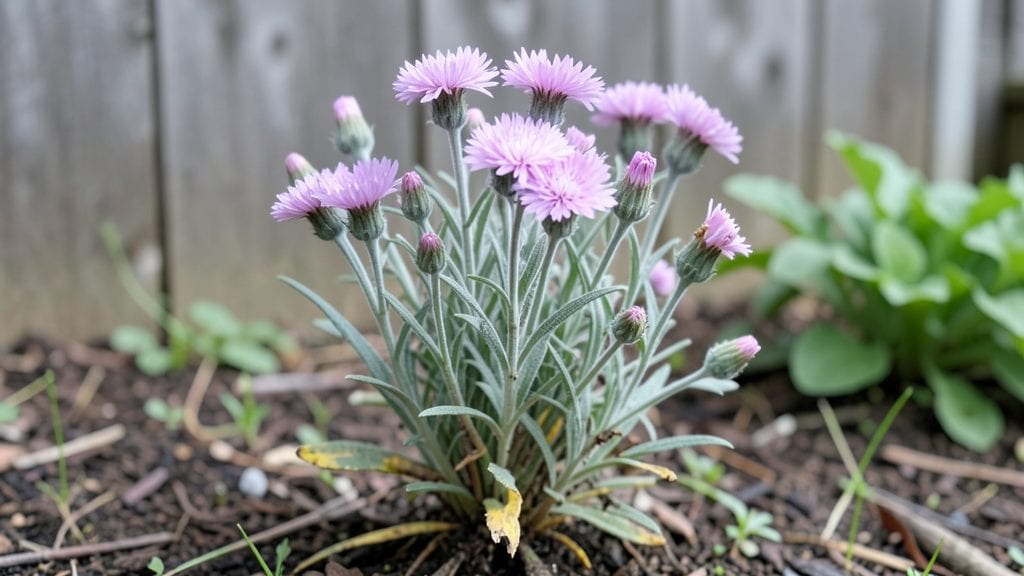
Growing dianthus cut flowers lets you bring that clove-scented charm indoors for weeks—something store-bought bouquets can't match. 🌸 The key is treating them like the high-maintenance divas they are: full sun, well-draining soil, and consistent care that rewards you with blooms that last longer than most cut flowers.
My first batch surprised me with stems that stayed fresh for 14 days in a vase, their petals holding their vibrant colors like they were just picked.
You'll need a sunny spot with at least 6 hours of direct sunlight daily, a soil mix that drains like a dream (think 60% potting soil, 30% perlite, 10% sand), and a spot where they won't get crowded.
Varieties like 'Firewitch' or 'Picotee' produce the showiest blooms, while 'Sweet William' types offer that classic cottage-garden fragrance. The secret weapon? Pruning spent blooms immediately—this tricks the plant into producing more flowers instead of going to seed.
When harvesting, cut stems early in the morning when they're fully hydrated, and change the vase water every two days to keep those blooms looking fresh. You'll end up with stems that stay vibrant, fragrant, and sturdy enough to hold their own in any arrangement.
The best part? These plants keep producing blooms all season long with the right care.
Works beautifully in garden beds, containers, or even as a windowsill display for apartment gardeners. Whether you're growing for bouquets or just to enjoy their scent, dianthus cut flowers deliver results that feel like a secret garden in every vase.
📚 In This Guide
- What you need
- Instructions
- Tips and common mistakes
- Wrapping up and next steps
What you need
- ● Fresh dianthus cut flowers: Choose long-stemmed varieties (e.g., Dianthus barbatus or Dianthus chinensis) with 3-5 buds per stem for extended blooming. Aim for 10-20 stems, depending on your arrangement size.
- ● Floral preservative: A 1-packet (or 1 tbsp) of commercial floral food (e.g., Chrysal Clear or FTD) to keep stems hydrated and vibrant for 7-14 days.
- ● Clean, sharp floral shears: 1 pair (avoid scissors—they crush stems!).
- ● Vase or container: A clear glass vase (6-12 inches tall) or any vessel with a narrow neck to hold stems securely. For rustic looks, try a mason jar or ceramic pitcher.
- ● Fresh, cool water: 2-3 cups (change daily to prevent bacterial growth).
- ○ Optional fillers: Eucalyptus or statice (3-5 sprigs) for texture and fragrance.
- ● Baby’s breath (1-2 stems) for a soft, cloud-like effect.
- ● Newspaper or wet paper towels: 1 sheet to line your workspace and protect surfaces from water stains.
- ● Rubber bands or floral tape: 2-3 pieces to bundle stems for easier handling.
- ○ Decorative elements (optional): Twine or ribbon (1 roll) for wrapping stems.
- ● Dried flowers (3-5 stems) for a mixed-media look.
- ● Pebbles or moss (small handful) for a naturalistic vase base.
- ● Timer: 1 (to remind you to refresh water every 24 hours).
Step-by-Step guide to growing dianthus for cut flowers
Here’s how to cultivate fragrant, long-lasting dianthus blooms that’ll elevate any bouquet.
🌱 Step 1: Select the Right Variety and Planting Site
Choose a dianthus variety known for cut flowers, like ‘Firewitch’ or ‘Picotee’. These thrive in full sun—at least 6 hours daily—and well-draining soil. If your garden has heavy clay, mix in sand or grit to prevent root rot. I plant mine in raised beds for better drainage, especially in humid climates.
Dianthus blooms best when spaced 12-18 inches apart. This gives stems room to grow strong and prevents overcrowding, which weakens stems and shortens vase life. Mark planting spots with stakes to avoid overplanting—trust me, you’ll forget how fast they spread!
💧 Step 2: Prepare Soil and Plant with Care
Amend the soil with compost to enrich it without adding too much nitrogen—this encourages blooms over leafy growth. Dianthus roots are shallow, so focus on the top 6 inches of soil. I mix in a slow-release fertilizer (like 10-10-10) at planting time to support early growth.
Gently remove plants from their nursery pots and loosen roots if they’re circling. Plant at the same depth they were in the container—burying too deep can rot stems, while planting too shallow exposes roots to drying. Water deeply right after planting to settle the soil and remove air pockets.
☀️ Step 3: Maintain for Long-Stemmed Blooms
Water dianthus deeply once a week—more in extreme heat—to encourage strong root systems. Let the top 1-2 inches of soil dry between waterings; soggy soil leads to weak stems that flop in vases. I use drip irrigation to avoid wetting foliage, which prevents fungal issues like powdery mildew.
Deadhead spent blooms weekly to prompt new flowers. Pinch back leggy stems by one-third in early summer to encourage bushier growth. Avoid heavy pruning—dianthus blooms on new growth, so trim sparingly. You’ll see a flush of fresh buds within 2-3 weeks of deadheading.
✂️ Step 4: Harvest for Maximum Vase Life
Cut stems in the early morning when buds are just opening but haven’t fully bloomed. Use sharp shears to avoid crushing stems, and harvest every 2-3 days to keep production strong. Strip lower leaves from the stems to reduce bacterial growth in water.
Place cuttings in lukewarm water immediately—cold water can shock stems. Change the water every 2 days and trim ½ inch from the base to encourage uptake. With proper care, dianthus blooms last 7-10 days in vases, their sweet fragrance lingering long after other flowers fade.
⏰ Step 5: Overwinter for Next Season’s Blooms
In colder climates, mulch plants with 2-3 inches of straw after the first frost to protect roots. Dianthus is hardy to Zone 5, but young plants may need winter protection. I cover mine with burlap if snow isn’t expected for weeks—this prevents heaving and keeps roots insulated.
In spring, remove mulch and prune back old growth by half. New shoots will emerge quickly, and with proper care, you’ll have another season of fragrant cut flowers. The key is consistency—dianthus rewards patience with bold colors and lasting blooms that outshine many commercial cut flowers.
Tips & tricks for perfect dianthus cut flowers
A few simple strategies will help you grow dianthus with stems strong enough to stand up in vases and fragrance that fills a room.
Sunlight Secret: Those 6 hours of full sun are non-negotiable for strong stems, but here's what nobody tells you—dianthus actually benefits from morning sun and afternoon shade in hot climates. The intense afternoon heat can scorch leaves, making stems more susceptible to breaking. If you notice leaves wilting by midday, provide some afternoon shade during peak summer months.
Soil Strategy: The top 6 inches of soil is where all the action happens for dianthus roots. To create the perfect environment, mix in coarse sand or perlite with your compost—this improves drainage while still holding enough moisture. I've found that adding a handful of horticultural charcoal to the mix helps prevent fungal issues that can weaken stems. Think of it as creating a sponge that drains well but still holds onto nutrients.
Watering Wisdom: The 1-2 inches of dry soil between waterings is your guide, but timing matters too. Water in the early morning so foliage has time to dry before evening—this dramatically reduces powdery mildew risk. I've also noticed that dianthus responds well to deep watering every 5-7 days during heatwaves rather than frequent shallow watering, which encourages deeper root growth and stronger stems.
Harvesting Hack: When harvesting in Step 4, look for stems that are about 1/3 open—this is the sweet spot for vase life. Here's a pro move: make your cuts at a 45-degree angle about 2 inches from the base. This increases the surface area for water uptake, and I've found it extends vase life by 2-3 extra days. Plus, always harvest with sharp shears to avoid crushing stems—dull blades bruise the plant and shorten its lifespan.
Pro Tips for Dianthus Cut Flower
- A few simple strategies will help you grow dianthus with stems strong enough to stand up in vases and fragrance that fills a room.
- Sunlight Secret: Those 6 hours of full sun are non-negotiable for strong stems, but here's what nobody tells you—dianthus actually benefits from morning sun and afternoon shade in hot climates.
- Soil Strategy: The top 6 inches of soil is where all the action happens for dianthus roots.
Frequently asked questions
Got questions about keeping your dianthus cut flowers fresh and stunning? Here are some of the most common ones we hear—and the answers you need!
How long do dianthus cut flowers last in a vase?
With proper care, dianthus cut flowers can last 7 to 10 days in a vase! Their longevity depends on fresh cuts, clean water, and occasional trimming. Remove any wilted blooms promptly to encourage new ones to open—this variety is a true showstopper that rewards attention.
When is the best time to harvest dianthus for cut flowers?
Harvest dianthus early in the morning when buds are just starting to open but haven’t fully bloomed. This ensures maximum vase life and vibrant color. Avoid cutting after rain or in extreme heat, as moisture stress can shorten their lifespan. A sharp, clean pair of scissors or pruners works best—no jagged edges!
What’s the secret to keeping dianthus fresh longer?
Change the water every 2–3 days and trim stems at a 45-degree angle to maximize water absorption. Add a splash of flower food (or a DIY mix of sugar + bleach) to prevent bacteria. Keep them away from direct sunlight or drafts—dianthus thrives in cool, indirect light. Pro tip: Snip any leaves submerged in water to avoid rot!
Can I mix dianthus with other cut flowers?
Dianthus pairs beautifully with alstroemeria, snapdragons, or eucalyptus for texture and fragrance. Avoid heavy-headed flowers like roses, which can weigh down the delicate stems. For a fragrant bouquet, combine with lavender or garden roses—just ensure all stems are trimmed evenly for balanced hydration.
Why are my dianthus flowers wilting so fast?
Wilting can stem from bacterial buildup (cloudy water), stem blockage (air pockets), or heat stress. If stems feel mushy, recut them and soak in fresh water for 1 hour before rearranging. Avoid overcrowding in the vase—give each stem room to breathe! If buds refuse to open, check for ethylene gas (from ripe fruit nearby) and move the vase away.
Wrapping up and next steps
Dianthus cut flowers bring a burst of color, fragrance, and timeless beauty to any arrangement—whether you're a seasoned florist or a budding gardener. Their long-lasting blooms and easy care make them a standout choice for bouquets, weddings, or everyday decor.
Now that you know how to select, arrange, and maintain them, it’s time to get creative!
🌸 Next steps:
- Experiment with color combos—pair dianthus with eucalyptus or roses for a showstopper look.
- Try DIY arrangements for gifts or home decor.
- Share your blooms with friends or sell them at local markets!