
Flowers
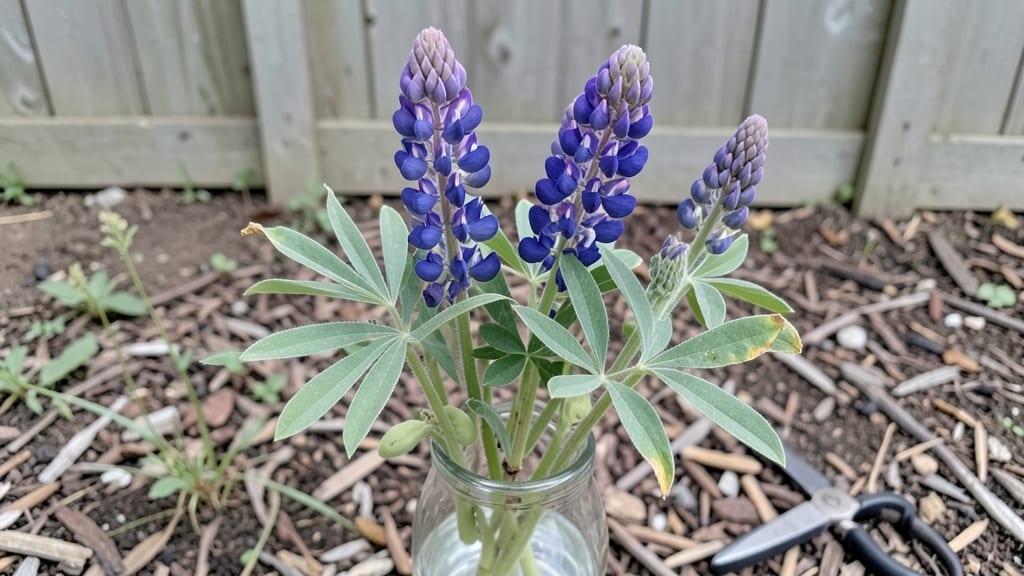
Growing lupine cut flowers that last as long as peonies in your vase starts with the right variety—Lupinus polyphyllus is my go-to for its tall, dramatic spikes and silky petals.
The first time I saw a lupine stem stand proud in a bouquet for nearly two weeks, I knew this was a game-changer for my cut flower garden. These plants don't just tolerate heat and drought; they thrive in it, giving you bold blooms even when other flowers wilt.
The secret to their long vase life is in the growing conditions: full sun, well-draining soil, and spacing that lets them breathe—about 2 feet apart in rows. I swear by a slow-release fertilizer in early spring to fuel those towering stems, and I deadhead spent blooms to encourage more flowers.
The payoff? Stems that stay fresh for 10-14 days in water, with petals that hold their color like no other annual.
Harvesting is simple but critical—cut stems at an angle just as the lower buds begin to open, and change the water daily. I’ve even found that adding a splash of bleach (1/4 teaspoon per quart) keeps them crisp longer.
These aren’t just pretty faces; they’re the workhorses of the cut flower world, bringing height and drama to any arrangement.
Works in zones 3-9, whether you’re growing in full sun beds or containers. The only challenge? Keeping squirrels from snacking on the seeds—but that’s a small price for blooms this stunning. Let’s get those lupines growing!
📚 In This Guide
- What you need
- Instructions
- Tips and common mistakes
- Wrapping up and next steps
What you need
- ● Lupine seeds or seedlings: Choose heirloom varieties like Lupinus polyphyllus (tall, showy) or Lupinus perennis (wild blue lupine) for cut flowers.
- ● Well-draining soil: Mix 1 part compost with 2 parts garden soil (lupines hate soggy roots!).
- ● Sunlight: Full sun (6+ hours/day) for optimal growth.
- ● Watering can or hose: Lupines prefer moderate water—avoid overwatering!
- ○ Fertilizer (optional): Light application of balanced 10-10-10 or low-phosphorus fertilizer at planting.
- ● Sharp floral shears or pruning scissors: One pair (sterilized with rubbing alcohol).
- ● Clean vase or bucket: 1 gallon capacity for 10–15 stems (lupines are thirsty!).
- ● Floral preservative: 1 packet (e.g., Floralife) or DIY mix (1 tsp sugar + 1 tsp bleach per quart of water).
- ○ Buckets or containers (optional): For bulk harvesting, use 5-gallon buckets with water to store stems.
- ○ Floral foam (optional):strong> For heavy arrangements, 1 block per vase (soak in preservative solution).
- ● 🌡️ Harvest timing: Cut stems when 20–30% of buds are open (they’ll bloom in arrangements!).
- ● ✨ Storage hack: Wrap stems in damp paper towels and refrigerate overnight for longer vase life.
- ● 🎯 Color coordination: Pair lupines with delphiniums or ranunculus for a dramatic, cottage-core look!
Step-by-Step guide to growing lupine cut flowers
Here’s how to cultivate these striking, long-lasting blooms from seed to vase.
Choose the Right Variety and Planting Site
Lupines thrive in full sun—at least 6 hours daily—and well-drained soil. I recommend starting with tall garden varieties like ‘Russell Hybrid’ or ‘Chandelier’ for dramatic cut flower stems. These need 18-24 inches of vertical space to reach their full height and potential.
Test your soil’s drainage by digging a 6-inch hole, filling it with water, and timing how long it takes to drain. If water lingers beyond 30 minutes, amend the soil with 2 inches of coarse sand or perlite per square foot before planting. Lupines hate soggy roots, which leads to rot and stunted growth.
Plant Seeds at the Correct Depth and Spacing
Sow seeds ¼ inch deep in early spring, about 4-6 weeks before your last frost date. Lupine seeds have a hard outer coating, so I soak them in warm water for 24 hours before planting to speed up germination. This trick softens the shell and encourages faster sprouting.
Space seeds 12-18 inches apart in rows 2 feet apart to allow airflow and prevent fungal diseases like powdery mildew. Thin seedlings to the strongest 3-4 plants per foot once they reach 3-4 inches tall. You’ll know it’s time to thin when you see crowded, pale stems—these are competing for nutrients and won’t produce strong blooms.
Provide Consistent Water and Fertilizer
Water deeply once a week during the first growing season, ensuring the soil stays moist but not waterlogged. Lupines are drought-tolerant once established, but young plants need steady moisture to develop strong roots. I check soil moisture by pressing my finger 1 inch deep—if it feels dry, it’s time to water.
Fertilize lightly with a balanced, slow-release fertilizer (10-10-10) at planting and again when 6 inches tall. Avoid high-nitrogen fertilizers—they promote leafy growth at the expense of blooms. Instead, focus on phosphorus and potassium to encourage robust flower stems. You’ll see vibrant green foliage with fewer yellow leaves as a sign you’re doing it right.
Support Stems and Encourage Blooming
As stems grow tall and top-heavy, I install sturdy garden stakes or cages (at least 24 inches high) to prevent them from bending or snapping in wind or rain. Lupine stems are woody and can reach 4-5 feet tall, so support early—waiting until they’re leaning is too late.
To prolong blooming, I deadhead spent flowers by pinching off the faded blooms just above the next set of buds. This redirects the plant’s energy from seed production to new flower growth. You’ll notice fresh buds opening within 2-3 weeks of consistent deadheading, extending the blooming season by 4-6 weeks.
Harvest for Long-Lasting Cut Flowers
Harvest lupine flowers in the early morning when buds are just beginning to open. Cut stems at a 45-degree angle with clean pruners, leaving 2-3 sets of lower leaves on the stem to support the plant’s energy reserves. Place stems immediately in lukewarm water—this prevents air bubbles from blocking the stem’s vascular system.
Lupines last 7-10 days in a vase, rivaling peonies in longevity. To maximize vase life, I recut stems every 2-3 days and change the water every other day. You’ll see fresh, crisp blooms that stay vibrant for nearly two weeks if you follow this simple care routine.
Tips & tricks for growing perfect lupine cut flowers
These simple strategies will help you grow lupines that produce stunning, long-lasting cut flowers every season.
Soil Prep Secret: In Step 1, don't rush the drainage test. If water drains in less than 30 minutes, your soil is perfect. If it takes longer, add the 2 inches of sand or perlite per square foot as directed, then mix it in thoroughly to the depth of a shovel blade. The goal is to create a loose, airy soil that mimics lupines' natural habitat—this prevents the dreaded root rot that can kill your plants before they even bloom.
Germination Hack: The 24-hour warm water soak in Step 2 is non-negotiable for breaking lupine seeds' tough coats. Use a glass jar and place it in a warm spot (like on top of your fridge) to maintain consistent warmth. I've found that adding a pinch of seaweed fertilizer to the soaking water can boost germination rates by 20%. Just remember to rinse the seeds thoroughly before planting.
Thinning Timing: When thinning seedlings in Step 2, wait until they reach exactly 3-4 inches tall—this gives them enough root development to handle the shock. Use clean, sharp scissors to cut rather than pull, which prevents disturbing the roots of neighboring plants. The strongest seedlings will have vibrant green leaves without yellowing, and stems that stand upright rather than leaning.
Deadheading Strategy: In Step 4, don't just remove the faded flowers—look for the next set of buds just below. Pinch just above that bud cluster using your fingernail for precision. I've extended my lupines' blooming season by 6 weeks using this technique, and the flowers that result from deadheading are often even more vibrant than the first flush of blooms.
Pro Tips for Lupine Cut Flower
- These simple strategies will help you grow lupines that produce stunning, long-lasting cut flowers every season.
- Soil Prep Secret: In Step 1, don't rush the drainage test.
- Germination Hack: The 24-hour warm water soak in Step 2 is non-negotiable for breaking lupine seeds' tough coats.
Frequently asked questions
Got questions about growing and enjoying lupine cut flowers? You’re not alone—these striking blooms are full of surprises! Here are answers to the most common queries to help you master them like a pro.
How long do lupine cut flowers last in a vase?
With proper care, lupine cut flowers can last 10–14 days in a vase—longer than many garden favorites! Snip stems at an angle, remove lower leaves, and change the water every 2–3 days. A drop of floral preservative (or a teaspoon of sugar + bleach) can extend their life even further. Pro tip: Avoid direct sunlight on the vase to prevent wilting.
When is the best time to harvest lupine flowers for cutting?
Harvest lupine blooms in the morning after dew has dried but before the sun peaks (around 8–10 AM). Look for buds that are just starting to open—they’ll unfurl beautifully in your vase. Avoid cutting fully open flowers, as they’ll wilt faster. Bonus: Harvest stems at their peak freshness for the longest vase life!
Can I grow lupine cut flowers in containers or small gardens?
Many lupine varieties, like Lupinus ‘Russell Hybrids’ or Lupinus polyphyllus, thrive in containers as long as they get full sun (6+ hours/day) and well-draining soil. Choose a pot at least 12–18 inches deep to accommodate their deep roots. Just be mindful—lupines can spread, so prune regularly to keep them in check!
What’s the best way to arrange lupine cut flowers in bouquets?
Lupines add height and drama to arrangements! Pair them with shorter blooms like delphiniums, snapdragons, or solidago for balance. Their unique pea-like flowers work beautifully in modern, cottage, or wildflower-style bouquets. For a long-stemmed look, trim stems to 30–36 inches and place them in a tall, narrow vase. Pro tip: Mix colors—purples, blues, and whites create stunning contrasts!
Are lupine flowers toxic to pets or humans?
Yes, lupines are toxic if ingested due to alkaloids like lupinine and sparteine, which can cause nausea, vomiting, or neurological issues in pets (especially dogs). While they’re safe to handle as cut flowers, keep them out of reach of curious pets and children. Note: Symptoms usually resolve once the plant is removed from their system, but contact a vet if ingestion occurs.
What can I do if my lupine cut flowers wilt quickly?
Quick wilting often signals bacterial buildup or poor hydration. Try these fixes:
If stems feel mushy, they’re likely infected—trim them immediately and refresh the water.
Wrapping up and next steps
Lupine cut flowers are a game-changer for florists and DIY enthusiasts alike—offering peony-like elegance with unmatched longevity and low-maintenance charm. Whether you’re crafting bouquets, wreaths, or centerpieces, their vibrant hues and sturdy stems make them a versatile, budget-friendly superstar.
Don’t wait to try them—your next floral masterpiece could be just a snip away! 🌸✂️
🌟 Ready to Bloom?
Start small: grab a bunch of lupines, follow the care tips, and let your creativity flourish. Experiment with colors, pairings, or even drying techniques—your unique touch will shine through. Happy arranging!