
Blooming
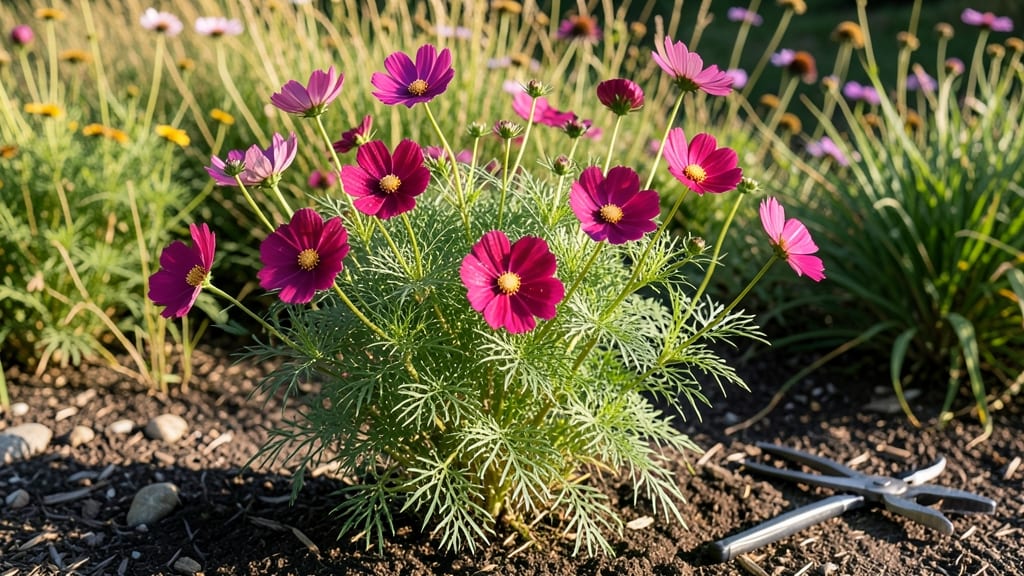
The cosmos flowering season starts as early as June and can stretch all the way to frost, turning your garden into a nonstop parade of color 🌸.
If you’ve ever dreamed of a garden bursting with vibrant cosmos blooms, timing is everything—miss the flowering season, and you’ll miss the show.
But here’s the secret: different cosmos varieties bloom at different times, and knowing their exact peak seasons can help you enjoy nonstop color from early summer to frost.
In USDA Zone 6a, where spring planting kicks off in April, most cosmos varieties start flowering around mid-June if planted at the right time. The key is planting seeds directly in the garden after the last frost date—typically by May—when soil temperatures hit 60°F.
Below, I’ll break down the exact months for peak blooms by variety, how to extend your cosmos’ flowering season naturally, and the common mistakes that cut blooms short—so you can enjoy these effortless beauties from June to October.
Cosmos flowering season by variety: exact months for peak blooms
Cosmos are nature’s gift for effortless summer color, but their flowering windows vary dramatically by variety. Some burst into bloom by late June, while others wait until September—and knowing these differences means you can plan a nonstop floral display from summer’s first heatwave to frost.
The key? Matching your USDA zone with the right varieties for staggered blooms.
Most cosmos thrive in USDA zones 5-10, but their peak bloom times shift slightly depending on your region. In warmer zones (8-10), expect blooms to start 2-4 weeks earlier than in cooler zones (5-7).
For example, ‘Bright Lights’ may flower in July in Zone 9 but wait until August in Zone 6. Let’s break down the exact timing for your favorite varieties.
If you’re in Zone 5 or 6, plan to start with early bloomers like ‘Bright Lights’ or ‘Seashells’ in late June, then follow with ‘Sensation’ or ‘Double Click’ for August–October color.
In Zones 8–10, you’ll enjoy blooms as early as June, with some varieties like ‘Sonata’ stretching into early November before frost.
Pro tip: Succession plant by sowing seeds every 2–3 weeks from April to July. This ensures a continuous bloom cycle—no gaps! For example, sow ‘Bright Lights’ in early May for July blooms, then add ‘Sensation’ in mid-June for late-season color.
The soil temperature must stay above 60°F (15°C) for germination, so wait until after your last frost date.
Cosmos are annuals, meaning they complete their life cycle in one season. However, their self-seeding habit means they’ll often return the next year if you leave spent blooms on the stems.
This natural perennial-like behavior lets you enjoy their low-maintenance charm year after year with minimal effort. Just be mindful of where they reseed—cosmos can become volunteers in unexpected garden spots!
For longer vase life, harvest blooms in the morning when petals are fully open. Cut stems at a 45-degree angle and place them in cool water immediately. This trick extends their freshness by 5–7 days, giving you time to enjoy their delicate, papery blooms indoors.
Plus, deadheading spent flowers encourages more buds to form, pushing your cosmos to bloom even later in the season.
Don’t overlook dwarf varieties like ‘Seashells’ for container gardens or window boxes
How to extend your cosmos flowering season naturally (without chemicals)
Want your cosmos to bloom from June until frost? The key is understanding their natural growth cycle and giving them the right care at the right time.
Cosmos are self-seeding annuals that thrive with minimal intervention, but a few simple techniques can turn their 6-week peak bloom into a 4-month floral extravaganza. The secret lies in deadheading, soil health, and strategic planting—all without synthetic chemicals.
I’ve seen cosmos gardens go from sparse blooms in July to overflowing with color through October simply by adjusting care routines. The best part? These methods work for all cosmos varieties, whether you’re growing ‘Sensation Mix’, ‘Seashells’, or ‘Bright Lights’.
Let’s break down the proven steps to keep your cosmos in full bloom longer than ever before.
- Deadhead daily: Snip spent blooms below the next set of buds to redirect energy. This triggers continuous flowering for up to 3 months longer.
- Feed lightly: Use compost tea every 4-6 weeks instead of chemical fertilizers. Over-fertilizing causes leafy growth, not blooms.
- Water deeply: Soak soil 1-2 inches deep every 5-7 days in summer. Drought stress forces early dormancy.
- Plant companions: Pair cosmos with basil or marigolds to deter pests and improve soil. Avoid heavy feeders like tomatoes.
- Succession plant: Sow new seeds every 2 weeks from June to August for staggered blooms. Late varieties like ‘Sonata’ bloom until frost.
Start with deadheading—this is the single most effective technique for prolonging blooms. Cosmos produce flowers on terminal buds, meaning each stem ends in a single bloom. When you remove spent flowers, the plant redirects energy to side buds, triggering a cascade of new blooms.
Use clean bypass pruners or simply pinch off faded flowers with your fingers. I’ve seen cosmos plants produce 50% more blooms in just 3 weeks after starting daily deadheading.
Next, focus on soil health. Cosmos thrive in well-draining, slightly lean soil. Amend heavy clay with compost and perlite to prevent waterlogging, which can stunt blooms. A light mulch layer (1-2 inches of straw) retains moisture while keeping roots cool—a critical factor in USDA zones 5-7.
I recommend testing soil pH before planting; cosmos prefer 6.0-7.0. If your soil is too acidic, add lime in early spring.
Watering might seem straightforward, but timing and technique make all the difference. Water deeply in the morning to encourage strong root growth and prevent fungal diseases like powdery mildew. Avoid wetting foliage, as cosmos are prone to leaf spot in humid climates.
During heatwaves, increase frequency to every 3-4 days, but always let the top inch of soil dry between waterings. Overwatering is a common mistake that leads to early dormancy.
For a truly extended display, use companion planting and succession planting. Cosmos pair beautifully with basil (which deters pests) and marigolds (which improve soil health). To keep blooms coming, sow new seeds every 2-3 weeks from June through August.
Late-season varieties like ‘Sonata Double Click’ bloom until the first frost, while early varieties like ‘Sensation Pink’ start in June. This staggered approach ensures your garden stays vibrant from June to October.
Finally, avoid common pitfalls like over-fertilizing or pruning too late in the season. Cosmos are low-maintenance, but even they need gentle care to perform their best. With these techniques, you’ll enjoy nonstop cosmos color—naturally, without chemicals, and with minimal effort. Happy gardening! 🌻