
Flowers
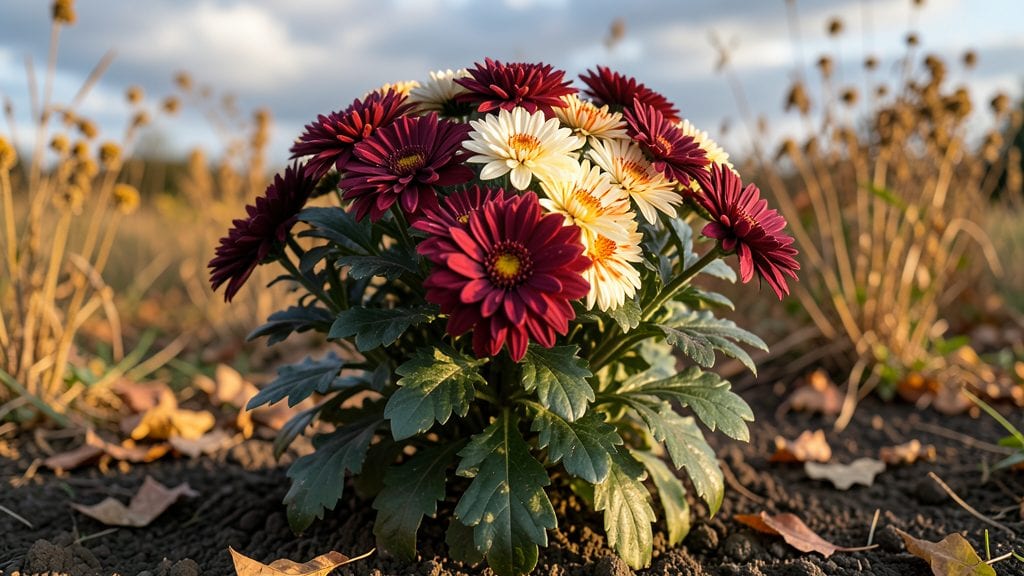
The mums flowers season runs from late summer through early fall, peaking in September when their vibrant colors shine brightest. These hardy blooms love cooler temperatures and thrive in autumn gardens, while proper care like deadheading and pruning can keep them flowering well into winter.
The timing of mum blooms is all about daylight—shorter days trigger their natural flowering cycle, which is why they're perfect for autumn displays. 🌿 Unlike spring flowers that rely on warmth, mums actually prefer cooler weather, often blooming more prolifically when temperatures dip below 75°F.
I've seen gardeners in zones 3-9 extend their season by planting mums in containers and moving them to protected spots when frost threatens. The secret to their longevity? Consistent moisture and a light feeding of 10-10-10 fertilizer every 4-6 weeks once blooming starts.
What sets mums apart is their adaptability—they'll bloom later in cooler climates and earlier in warmer southern zones. For container growers, choosing compact varieties like 'Autumn Joy' or 'Pink Beauty' gives you more control over their display timing.
Just remember: the earlier you plant (late spring), the longer they'll flower into fall. 💫
💡 In This Article
- Optimal Growing Conditions for Fall-Blooming Mums
- Pro Tips to Prolong Mum Flower Displays
Optimal growing conditions for fall-blooming mums
Here's what's actually happening with mum blooms: they follow a photoperiodic response—their flowering is triggered by decreasing daylight hours, typically when days drop below 12-14 hours of light. This is why they bloom reliably in autumn, unlike spring flowers that respond to warming temperatures.
The ideal temperature range for mum growth is 60-75°F during the day, with cooler nights (50-60°F) actually enhancing their color vibrancy through a process called anthocyanin accumulation. 🔥
Sunlight requirements are surprisingly flexible for mums—they thrive in full sun (6+ hours daily) but can tolerate partial shade (4-6 hours), especially in hotter zones like USDA 8-9. The key is morning sun exposure, which prevents fungal issues while allowing afternoon shade to protect delicate petals.
Soil pH matters too: mums prefer slightly acidic to neutral soil (pH 5.5-6.5), where nutrients like phosphorus become more available for flower production. I've seen gardeners in USDA 3-5 regions add composted pine needles to maintain this ideal pH range.
Watering needs change dramatically as mums transition from growth to bloom. During establishment (first 4-6 weeks), they need 1-1.5 inches of water weekly, but once buds form, reduce to 1 inch weekly to prevent bud drop.
The science? Overwatering stresses plants by reducing oxygen in the soil, while underwatering causes buds to abort. Mulching with 2-3 inches of organic matter helps maintain even moisture while keeping roots cool—critical for vibrant colors. 💛
Nutrient timing is everything for prolonged blooms. Mums respond best to a balanced fertilizer (10-10-10) applied every 4-6 weeks starting when buds form, with a final boost of phosphorus (low-nitrogen 5-10-10) in late summer to encourage root development.
What most people don't realize is that mums are heavy feeders—they'll reward consistent nutrition with 2-3 weeks of continuous blooming per flush. Container-grown mums need twice the fertilizer since nutrients leach out faster.
Container growing offers precise control over these conditions. Smaller varieties like 'Pocahontas' thrive in 5-gallon pots with well-draining soil, while larger types need 15+ gallons. The secret? Use a slow-release fertilizer pellet at planting time to provide steady nutrition.
In USDA 3-4 zones, container mums can be moved to protected porches in winter, where they'll often rebloom in spring when days lengthen again. 🌟
Here's a quick reference for zone-specific care: in USDA 7-9, mums may need afternoon shade to prevent heat stress, while USDA 3-6 gardeners should plant in south-facing beds for maximum winter sun exposure.
The earlier you plant (late spring), the longer they'll flower—some varieties continue producing until first hard frost if protected. For container growers, elevating pots on bricks improves drainage and prevents root rot in heavy rains.