
Succulent
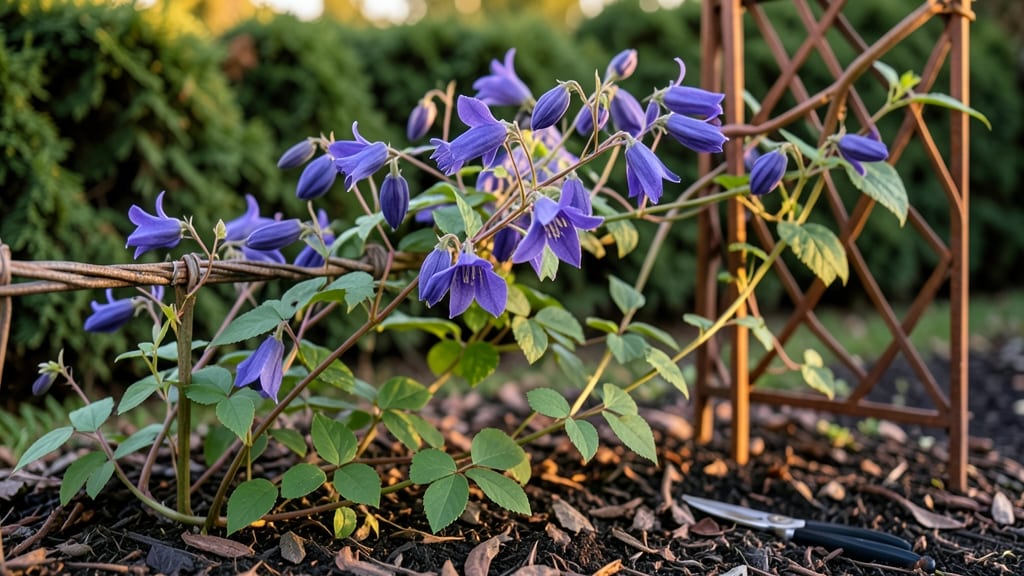
Blue flowered clematis transforms any garden into a dreamy, vertical masterpiece with its velvety blue blooms that seem to glow against climbing structures. 💚 I’ve watched mine turn a plain fence into a living tapestry, and the way it drapes over trellises makes every season feel like a storybook scene.
The key is pairing it with the right companions—think silvery foliage of lamb’s ear or the deep green of hostas—to make those blue flowers pop even more.
You’ll need a sturdy trellis, arbor, or even an old pergola to support its vigorous growth, plus well-draining soil rich in organic matter. Clematis loves to climb, so position it where it can spread without competing for sunlight—morning sun and afternoon shade work best in hotter climates.
Once established, it blooms from late spring through summer, with some varieties offering a second flush in fall if you deadhead spent blooms.
The real magic happens when you let it pair with other textures—imagine the contrast of its delicate blue against the bold spikes of ornamental grasses or the softness of roses.
Pruning in late winter keeps it tidy and encourages more flowers, while regular watering (especially during blooming season) ensures those petals stay vibrant. It’s the kind of plant that makes neighbors pause and ask, “What is that?”
Perfect for cottage gardens, modern landscapes, or even container climbers on patios. The secret to making it work? Start small—one or two plants can create a focal point—and let their natural elegance do the rest. Now, let’s talk placement and the best partners to make your garden sing.
📚 In This Guide
- What you need
- Instructions
- Tips and common mistakes
- Wrapping up and next steps
What you need
- ● Blue-flowered clematis plants: 1–3 mature vines (for quick results) OR
- ● Seeds or cuttings (if propagating from scratch)
- ● Well-draining potting mix: 2–3 bags (sterilized, organic blend for succulents/perennials)
- ● Support structure: Trellis, arbor, or obelisk (6–10 ft tall, sturdy mesh or metal)
- ○ Optional: Decorative lattice or climbing frame for aesthetic appeal
- ● Fertilizer: Balanced granular (10-10-10) or slow-release organic (e.g., composted manure)
- ● Mulch: 2–3 inches of shredded bark or straw (to retain moisture)
- ● Garden trowel or transplant spade
- ● Pruning shears (sterilized with rubbing alcohol)
- ● Watering can or hose with gentle spray nozzle
- ● Location: Partial shade to full sun (6+ hours/day for blooms)
- ○ Soil test kit (optional): To check pH (ideal: 6.0–7.0)
- ● 🌡️ Hardiness: Choose varieties suited to your USDA zone (e.g., Clematis ‘Jackmanii’ for zones 4–9).
- ● ✨ Pruning: Buy gloves—clematis thorns are sharp!
- ● 🎯 Bonus: Add a slow-release phosphorus fertilizer (e.g., bone meal) to boost blooms.
How to grow stunning blue flowered clematis in your garden
Watch your vertical space transform into a breathtaking blue cascade with these foolproof steps.
🪴 Step 1: Choose the Perfect Planting Site and Support
Clematis thrives when planted where it gets at least 6 hours of sunlight daily, but afternoon shade in hot climates prevents leaf scorch. I always pick a spot near a sturdy trellis, arbor, or fence—these vines need something to climb on within 3-4 feet of the planting hole. The roots love cool soil, so I plant mine near evergreen shrubs or trees that provide shade for the base.
Dig a hole twice as wide as the root ball but only as deep as the container it came in. The top of the roots should sit just 1 inch below soil level—burying too deep suffocates the plant. Mix in 3-4 inches of compost with the native soil to give those hungry roots a nutrient boost right away.
☀️ Step 2: Plant with Proper Spacing and Soil Preparation
Space your clematis 4-6 feet apart for proper airflow and growth. I like to add a 6-inch layer of mulch around the base (but keep it 6 inches away from the stem) to retain moisture and regulate soil temperature. The key here is well-draining soil—if your garden soil is heavy clay, amend it with sand or perlite to prevent root rot.
Gently loosen the roots if they're circling in the container, then place the plant in the hole. Backfill with soil while gently tamping down to remove air pockets. Water deeply right after planting to help settle the roots. You'll know it's done right when the soil surface looks slightly firm but not rock-hard.
💧 Step 3: Water and Fertilize for Strong Establishment
Keep the soil consistently moist (not soggy) for the first 6-8 weeks—this is when roots are establishing. I water deeply every 2-3 days until the top 2 inches of soil feel dry to the touch. Overhead watering can cause fungal issues, so I use a soaker hose at the base instead.
Feed your clematis with a balanced fertilizer (10-10-10) in early spring, then switch to a phosphorus-heavy formula (5-10-5) when buds form. I avoid high-nitrogen fertilizers—they encourage leafy growth at the expense of those stunning blue blooms. By midsummer, cut back to half-strength applications to prevent late-season growth that won't harden off before winter.
✂️ Step 4: Prune for Maximum Blooms and Healthy Growth
Pruning might seem scary, but it's what makes clematis perform their best. Most blue-flowered varieties are Group 2 or 3, which means they bloom on old and new wood. I prune right after flowering to remove dead or weak stems, then do a hard prune in late winter—cutting back to 2-3 healthy buds from the base. This encourages strong new growth and more abundant blooms.
Watch for yellowing leaves—this usually means your plant needs more sunlight or better drainage. If stems look leggy and sparse, they're reaching for light. You'll see the perfect balance when you have compact, bushy growth with plenty of new shoots by early summer.
🌿 Step 5: Provide Ongoing Care for Year-Round Beauty
Clematis is surprisingly drought-tolerant once established, but I still water deeply once a week during dry spells to maintain those vibrant blue flowers. Deadhead spent blooms regularly to encourage more flowers—just snip off the faded flowers but leave the leaves. This simple step keeps your plant looking tidy and producing blooms all season.
In fall, apply a 2-3 inch layer of mulch around the base (again, keeping it away from the stem) to protect roots from freezing temperatures. If you're in a cold climate, consider wrapping the base with burlap for extra insulation. With proper care, your blue clematis will reward you with years of vertical elegance and stunning color.
Tips & tricks for perfect blue flowered clematis
Transforming your garden into a vertical blue paradise takes a few clever tricks that make all the difference!
Sunlight Strategy: Those 6 hours of sunlight are non-negotiable for vibrant blue blooms, but here's the secret: position your clematis to get morning sun and afternoon shade in hot climates. I've seen plants in full afternoon sun develop leaf scorch—those crispy brown edges ruin the drama. If you're in a particularly sunny area, consider a light-colored trellis to reflect some heat back to your plant.
Root Ball Rescue: When you're loosening those circling roots in Step 1, don't just pull them apart—make small vertical cuts with a clean knife to break up the roots gently. This encourages them to spread outward rather than staying in a tight clump. I've planted clematis without this step, and while they survived, they never grew as vigorously as the ones with properly loosened roots.
Mulch Magic: That 6-inch layer of mulch around your base isn't just for looks—it's a game-changer for moisture retention and temperature regulation. I like to use shredded bark mulch because it breaks down slowly and improves soil structure over time. The key is keeping it 6 inches away from the stem to prevent rot, but don't skimp on coverage around the root zone.
Pruning Precision: When you're doing that hard prune in late winter, cut back to 2-3 healthy buds—not just any old cuts. Look for plump, firm buds that look ready to burst. I always make my cuts just above these buds at a 45-degree angle to prevent water from pooling. This technique has given me the most abundant blooms year after year, with stems that grow strong and upright rather than flopping.
Pro Tips for Blue Flowered Clematis
- Transforming your garden into a vertical blue paradise takes a few clever tricks that make all the difference!
- Sunlight Strategy: Those 6 hours of sunlight are non-negotiable for vibrant blue blooms, but here's the secret: position your clematis to get morning sun and afternoon shade in hot climates.
- Root Ball Rescue: When you're loosening those circling roots in Step 1, don't just pull them apart—make small vertical cuts with a clean knife to break up the roots gently.
Frequently asked questions
Got questions about adding blue flowered clematis to your garden? You’re not alone! Here are some of the most common queries—plus straightforward answers to help you grow with confidence.
How do I choose the right variety of blue clematis for my climate?
Blue clematis thrive in USDA Zones 4–9, but varieties like Clematis ‘Jackmanii’ (deep blue-purple) or ‘Perle d’Azur’ (true blue) are hardy and adaptable. For cooler zones, opt for Clematis montana (spring blooms), while warmer climates suit Clematis ‘Niobe’ (vibrant blue-violet). Check your last frost date—most need 6–8 weeks of cool weather to set buds.
When is the best time to plant blue clematis for maximum blooms?
Plant in early spring or early fall when soil is workable but not scorching. Avoid summer heat stress! For early bloomers (like Clematis montana), plant in late winter so roots establish before spring growth. Pro tip: Soak roots in water + rooting hormone for 1 hour before planting to boost survival.
Why aren’t my blue clematis flowers opening? Troubleshooting tips!
Common culprits:
- Too much shade: Clematis need 6+ hours of sun (morning sun + afternoon shade works in hot climates).
- Over-fertilizing: Too much nitrogen = leafy growth, fewer blooms. Use a balanced 10-10-10 or high-phosphorus fertilizer in early spring.
- Deadheading delay: Snip spent blooms just above the next set of leaves to encourage reblooming.
- Root stress: If wilting, check for underwatering (drought-tolerant once established) or overwatering (roots rot in soggy soil).
Can I grow blue clematis in containers? What’s the best setup?
Use a large container (15+ gallons) with well-draining soil (mix potting soil with perlite/pumice). Choose a compact variety like Clematis ‘Blue Lagoon’ or ‘Etoile Violette’. Add a trellis or obelisk for support, and water deeply 2–3x/week in summer. Winter tip: Move pots to a garage or insulated wrap if temps drop below 20°F.
What are some stunning blue clematis alternatives if true blue is hard to find?
While true blue clematis are rare, these near-blue varieties steal the show:
- ‘Blue Sky’: Soft lavender-blue (reliable rebloomer).
- ‘Perle d’Azur’: Deep blue-purple (fragrant!).
- ‘Vyvyan Pennell’: Blue-violet with silvery foliage.
- ‘Hagley Hybrid’: Pale blue with long bloom season.
For container gardens, try ‘Blue Angel’—it’s compact and drought-tolerant!
Wrapping up and next steps
Transforming your garden with blue flowered clematis isn’t just about adding beauty—it’s about creating a stunning vertical masterpiece that thrives with the right care! 🌸 From selecting the perfect variety to mastering pruning and troubleshooting common issues, you now have all the tools to nurture these climbers into showstopping displays.
Whether you’re a seasoned gardener or a beginner, the key is patience and observation—let their vibrant blooms reward your efforts.
Ready to take the next step? Start small:
- Pick one clematis variety to plant this season.
- Monitor its progress and adjust care as needed.
- Share your journey (and blooms!) with fellow gardeners—inspiration spreads fastest together! 🌿