
Flowers
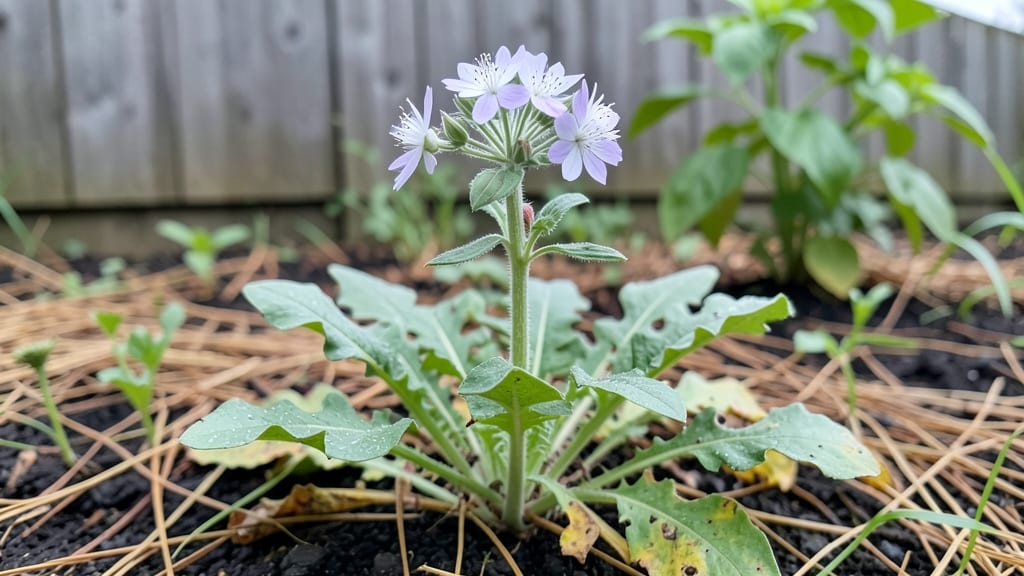
Arugula plant flowers indicate the plant has reached maturity, causing its leaves to develop a bitter taste and making them less ideal for eating. These flowers also mark the start of seed production, giving gardeners the chance to harvest seeds for future crops or let them spread naturally.
Arugula's flowering process, called bolting, is triggered by heat or long daylight hours. 🌱 Once flowers appear, the plant redirects energy from leaf growth to seed production, which is why the leaves turn bitter and tough.
I've found that harvesting flowers early can actually extend the leafy phase of neighboring plants by removing competition for resources.
This transition isn't just about flavor—it's a natural lifecycle shift. The flowers themselves are edible (though less popular) and can be used in salads or garnishes, while the seeds are perfect for growing next year's crop.
Many gardeners intentionally let some plants flower to ensure a continuous harvest cycle throughout the growing season.
💡 In This Article
- Why Arugula Flowers Signal Harvest and Seed Time
- Managing Arugula Flowers for Optimal Yield
Why arugula flowers signal harvest and seed time
Arugula's flowering process, known as bolting, is a survival mechanism triggered by environmental cues. When temperatures rise above 70°F (21°C) or daylight exceeds 14 hours, the plant's internal clock activates flowering hormones called florigen.
This chemical signal redirects the plant's energy from leaf production to reproductive growth, which is why you'll notice the stalks shooting up suddenly. The flowers themselves are small and delicate, typically white or yellow, and appear in clusters along the stalk.
The flavor transformation happens because the plant's metabolic focus shifts. During the vegetative stage, arugula produces high levels of glucosinolates, which give it that signature peppery kick. But when bolting occurs, these compounds break down into bitter-tasting byproducts.
Studies show that bitter compounds like glucotropaeolin can increase by 50-100% once flowering begins. 🌿 The texture also changes—young leaves are tender, while older leaves become fibrous and tough as they prepare for seed production.
Flowers play a crucial role in arugula's lifecycle by facilitating seed production. Each flower contains both male and female reproductive parts, allowing for self-pollination. Once fertilized, the flowers develop into seed pods that contain 100-200 seeds per plant.
These seeds are viable for 2-3 years if stored properly in a cool, dry place. The process mirrors how wild arugula (Eruca sativa) spreads naturally—once the seeds mature, they scatter easily, creating new plants in subsequent seasons.
Understanding these stages helps gardeners make better decisions. For example, if you're growing arugula for salad greens, you'll want to harvest leaves before bolting begins. But if your goal is seed production, allowing some plants to flower is essential.
The key is timing—most varieties bolt 45-60 days after planting, though this varies with climate. In cooler regions, you might get multiple harvests before flowering, while hot climates can trigger bolting in as little as 30 days.
Here's what's actually happening at the cellular level: The plant's meristem cells (growth centers) transition from producing leaves to forming flowers. This shift is controlled by a complex interplay of hormones, including gibberellins that promote stem elongation and ethylene that triggers flower development.
The result is that older leaves near the base may still be edible, but newer growth becomes increasingly bitter and fibrous as the plant prioritizes reproduction over leaf production.
For culinary use, the flowers themselves are edible and add a mild, slightly spicy flavor to dishes. They're often used in Italian cuisine as a garnish or added to salads for visual appeal.
The seeds, once dried, can be roasted and ground into a peppery seasoning similar to mustard powder. 💫 This dual-purpose nature makes arugula a fascinating plant—it's not just about the leaves, but the entire lifecycle from seed to flower and back again.
What most people don't realize is that bolting can actually be beneficial in some cases. If you're practicing succession planting, allowing some plants to bolt and set seed creates a natural reservoir for future crops.
In my own garden, I've found that letting 10-20% of my arugula plants flower ensures I always have seeds available for next season, reducing the need to purchase new plants.