Planting
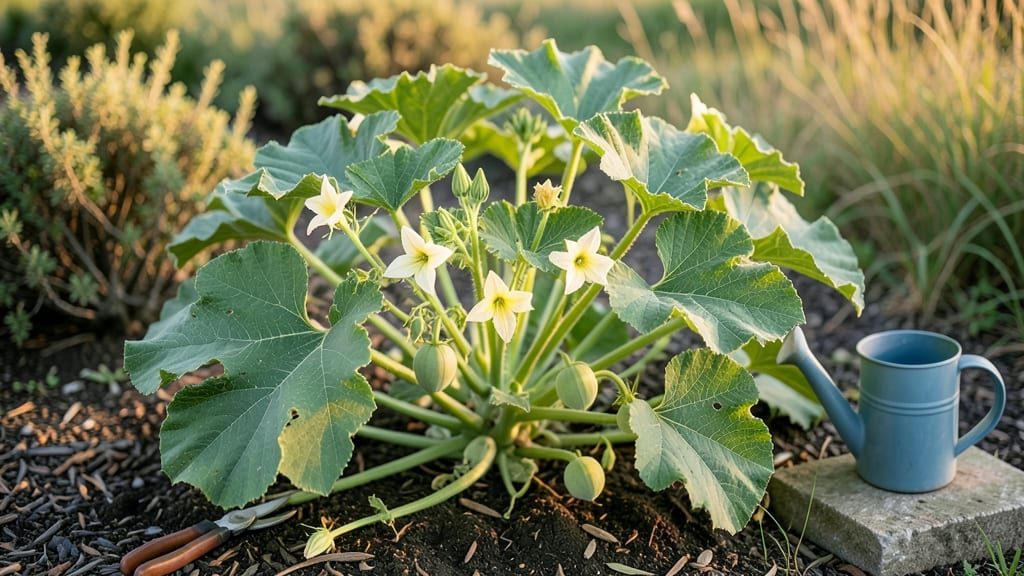
Cantaloupe plant flowers are the unsung heroes of your harvest—without them, you’ll never get those sweet, fragrant melons. 🌻 I’ve watched my first blossoms turn into fruit (and sometimes just wilt away), and the difference comes down to one thing: knowing which flowers matter and how to help them do their job.
The tiny male flowers appear first, looking like delicate yellow stars with no bulge at the base. Female flowers arrive later, hiding a tiny melon bump where the stem meets the blossom.
Bees love both, but only the female flowers lead to fruit. If you see lots of males but few females, you’re missing the sweet spot for pollination.
By the time your female flowers set fruit, you’ll see little melons the size of grapes within days. The key is giving bees easy access—plant near clover or marigolds to attract them, and avoid spraying flowers with pesticides.
A light breeze helps too, especially if you’re growing in containers or shady spots.
Common mistakes? Overwatering after flowering (which causes blossom drop) or ignoring weak vines. Strong plants produce more female flowers, so feed with compost or balanced fertilizer when blossoms appear. With the right approach, your first cantaloupe could be ready in just 80 days.
📚 In This Guide
- What you need
- Instructions
- Tips and common mistakes
- Wrapping up and next steps
What you need
- ● Cantaloupe seeds: Choose disease-resistant varieties like 'Athena' or 'Hale’s Best' (10-20 seeds per plant).
- ○ Well-draining potting mix: 10-15 lbs of high-quality, sterile soil (pH 6.0-6.8). Optional: Add compost for extra nutrients.
- ● Containers or garden bed: Containers: 5-gallon pots (1 per plant) with drainage holes.
- ● Garden bed: Full sun (6-8+ hours/day), loose soil with 12-18" spacing between plants.
- ● Fertilizer: Balanced 10-10-10 or organic options like fish emulsion (follow package rates).
- ● Watering can or hose: With a gentle spray nozzle for hydration.
- ● Gloves & kneeling pad: For comfort while planting.
- ● Hand trowel: For transplanting seedlings.
- ● Pollination aid: A small paintbrush or bee-friendly habitat (if bees are scarce).
- ● Row cover: Lightweight fabric to protect flowers from pests.
- ● Mulch: Straw or shredded leaves (2-3 inches) to retain moisture.
Step-by-step guide to hand-pollinating cantaloupe flowers
Here's how I ensure every flower becomes a fruit—no bees required.
🌿 Step 1: Identify Male and Female Flowers
Cantaloupe plants produce two types of flowers: males with long, slender stems and females with tiny fruit at the base. To pollinate properly, you need to spot the difference. Male flowers appear first and have no swelling at the stem base. Female flowers show up later with a small melon-shaped bump where fruit will form.
I check plants daily after flowers open. The best time to pollinate is in the morning when flowers are fresh. Use a magnifying glass if needed—those tiny bumps are easy to miss at first glance.
✂️ Step 2: Harvest Pollen from Male Flowers
Gently pluck a fully open male flower using clean scissors. Hold it over a small container (like a shot glass) and tap the center lightly to release yellow pollen. You only need a tiny amount—about the size of a pinhead—to pollinate multiple female flowers.
Store the pollen in a cool, dry place if you won’t use it immediately. I keep a small jar in the fridge for up to 24 hours. Fresh pollen works best, so try to pollinate on the same morning you harvest it.
💧 Step 3: Transfer Pollen to Female Flowers
Dip a clean paintbrush or cotton swab into the pollen, then gently brush it over the female flower’s stigma—the fuzzy center where pollen lands. Do this for every female flower you want to fruit. I focus on 3-4 flowers per plant to avoid overloading the vine.
Work quickly but carefully. The stigma needs to be damp for pollen to stick, so mist flowers lightly with water before applying pollen if they feel dry. This mimics natural dew and helps the process.
☀️ Step 4: Support Pollinated Flowers for Fruit Set
After pollinating, keep plants well-watered but not soggy. Cantaloupes need consistent moisture to develop properly. I water at the base early in the morning, avoiding leaves to prevent disease. Too much water can cause blossom-end rot later.
Remove any unproductive male flowers to redirect the plant’s energy toward the pollinated females. You’ll see the tiny fruit bumps grow within 5-7 days. If they shrivel, pollinate again—sometimes flowers need a second try.
⏰ Step 5: Monitor for Fruit Development
Check pollinated flowers every 2-3 days for signs of fruit growth. Healthy cantaloupes will swell steadily and develop a slight curve. If fruits drop off, it could mean poor pollination or environmental stress—try pollinating again or check for pests.
Once fruits reach 3-4 inches, they’re past the critical stage and less likely to drop. At this point, focus on keeping the soil moist and protecting them from critters. You’ll know you’ve succeeded when the melon’s skin turns from green to cream-colored with a net pattern.
Tips & tricks for perfect cantaloupe pollination
Between us, hand-pollinating cantaloupe flowers takes practice—but these tricks will help you get it right the first time.
Timing is Everything: The morning after flowers open is prime time for pollination. Dew on the petals helps pollen stick better, and cooler temperatures mean flowers stay fresh longer. I've found that working between 7-9 AM gives me the best results, especially on cloudy days when humidity is naturally higher.
Tool Selection Matters: While paintbrushes work well, I've had better luck with cotton swabs for delicate female flowers. The smaller surface area lets you target the stigma more precisely without damaging petals. For harvesting pollen, a clean makeup brush with stiff bristles collects more efficiently than your fingers—just tap gently over the container.
Pollen Storage Hack: If you harvest more pollen than you can use in one morning, store it in a small airtight container in the fridge for up to 24 hours. I place a piece of parchment paper between layers if storing multiple batches—this prevents pollen from clumping together. Just remember, fresh pollen always works best for maximum fruit set.
Visual Cues for Success: After pollinating, look for these signs of success: the stigma should turn slightly darker where you applied pollen, and you'll notice tiny fruit bumps appearing within 5-7 days. If you're checking every 2-3 days as recommended, you'll catch any issues early—like shriveling fruits—which means it's time for a second pollination attempt.
Pro Tips for Cantaloupe Plant Flowers
- Between us, hand-pollinating cantaloupe flowers takes practice—but these tricks will help you get it right the first ...
- Timing is Everything: The morning after flowers open is prime time for pollination. Dew on the petals helps pollen st...
- Tool Selection Matters: While paintbrushes work well, I've had better luck with cotton swabs for delicate female flow...
Frequently asked questions
Got questions about those delicate cantaloupe plant flowers? You’re not alone! Here are answers to the most common curiosities—from pollination puzzles to troubleshooting tips—to help you grow the juiciest melons.
Why aren’t my cantaloupe flowers turning into fruit?
If your flowers aren’t producing fruit, it’s likely a pollination problem. Cantaloupes need bees or wind to transfer pollen between male (long stems) and female (small melon at the base) flowers. Try hand-pollinating with a soft brush or wait for warmer, bee-friendly days (75°F+).
When do cantaloupe flowers bloom, and how long until fruit?
Flowers appear 40–60 days after planting, with female blooms showing up after male flowers. Once pollinated, fruit takes 30–50 days to mature, depending on variety and weather. Pro tip: Check the flower’s base—if it’s round and swollen, it’s female and ready for pollination!
Can I grow cantaloupes without bees?
Yes! If bees are scarce, hand-pollinate by gently brushing pollen from male flowers (use a paintbrush or cotton swab) onto female flowers’ centers. Do this early morning when flowers are fresh. For large gardens, plant bee-friendly flowers nearby (like marigolds or sunflowers) to attract pollinators naturally.
What if my cantaloupe flowers wilt or drop off?
Wilting or dropping flowers often signal stress from heat, drought, or overwatering. Fix it:
- Water deeply at the base (1–2 inches per week).
- Provide afternoon shade in extreme heat (85°F+).
- Ensure soil has good drainage—root rot can kill plants.
How do I tell male vs. female cantaloupe flowers apart?
Spot the difference with this quick guide:
Male Flowers
Female Flowers
Long, thin stems (no fruit at base).
Small melon-shaped swelling at the base.
Bloom first (usually).
Appear after male flowers; ready for pollination.
Wrapping up and next steps
Growing cantaloupe from flowers to fruit is a rewarding journey that blends a little patience with nature’s magic! 🌱 By understanding pollination, choosing the right varieties, and giving your plants the best care, you’ll soon be harvesting sweet, ripe melons.
Whether you’re a beginner or a seasoned gardener, every healthy flower is a step closer to a bountiful harvest.
Ready to take the next step? Start by planting a few seeds or seedlings this season and observe how your cantaloupe flowers transform into fruit. Share your progress with fellow gardeners—you’ve got this! 🌻