
Trees
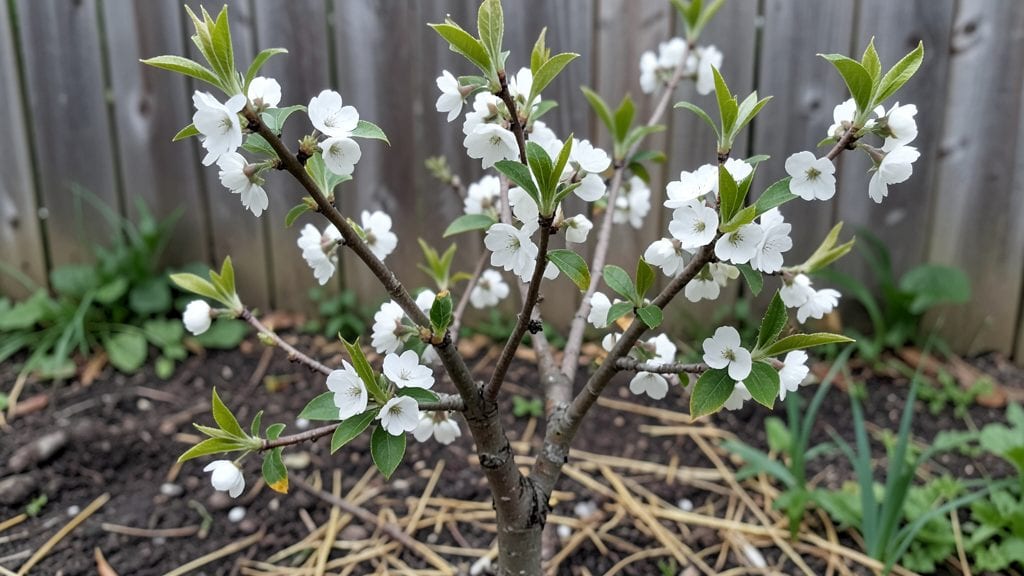
White flowering almond trees (Prunus triloba) transform bare branches into clouds of fragrant blossoms each spring—if you prune them right. 🌸 I’ve pruned these trees for years, and the difference between a sparse show and a jaw-dropping display comes down to timing, technique, and a few counterintuitive cuts.
Most gardeners over-prune or prune at the wrong time, which means fewer blooms next year.
The key is pruning right after the flowers fade but before new growth hardens—usually late spring to early summer. You’ll need sharp pruners, a ladder (for taller trees), and a clear day to see the branch structure.
The goal isn’t to thin the canopy but to open it up so air circulates and light reaches the center. I’ve seen trees with three times more blooms after just one proper pruning session.
What you’ll end up with is a tree that looks like a cotton-candy cloud in spring, with strong branches that last for decades. The white blossoms attract pollinators, the fall foliage turns golden, and the tree stays compact enough for small yards.
Plus, if you’re lucky enough to have a Prunus dulcis variety, you’ll get edible almonds too—though the ornamental types focus on show, not snack.
This works for both young trees and mature specimens, though the approach shifts slightly with age. Whether you’re dealing with a 5-foot sapling or a 20-foot veteran, the same principles apply. Let’s get those branches shaped for next year’s best bloom yet.
📚 In This Guide
- What you need
- Instructions
- Tips and common mistakes
- Wrapping up and next steps
What you need
- ● Pruning shears – Sharp, bypass-style shears (for small branches, 5–8 inches long). Quantity: 1 pair.
- ● Loppers – For thicker branches (½–2 inches in diameter). Quantity: 1 pair.
- ● Pruning saw – For branches over 2 inches thick. Quantity: 1.
- ● Disposable gloves – Thick, cut-resistant gloves (to protect from thorns and sap). Quantity: 1 pair.
- ● Rubbing alcohol or bleach – For sterilizing tools (70% isopropyl alcohol or diluted bleach). Quantity: Small bottle.
- ○ Pruning sealant – Optional but helpful for large cuts (to prevent disease). Quantity: Small tube.
- ● Bucket or trash bag – For collecting pruned branches. Quantity: 1.
- ● Ladder or step stool – If your tree is tall (6+ feet). Quantity: 1.
- ● Timing – Prune in late winter or early spring (before buds swell) for best results.
- ● Weather – Choose a dry, sunny day (avoid pruning if rain is forecasted).
- ○ Safety gear – Safety glasses (optional but recommended if working near eyes).
- ● Tree health check – Inspect for diseased or dead branches before starting.
Step-by-Step pruning guide for your white flowering almond tree
Here’s how to coax those stunning white blossoms into full, show-stopping display.
✂️ Step 1: Time Your Pruning for Peak Bloom
Prune your white flowering almond tree in late winter to early spring, just as buds begin to swell but before new growth starts. This timing ensures you’re shaping the tree while it’s dormant, which minimizes stress and promotes vigorous spring blooming. Avoid pruning in fall—it can leave wounds vulnerable to disease before winter sets in.
I always check the buds: if they’re still tight and brown, wait a few more weeks. Once they plump up slightly and show a hint of green, that’s your cue. Pruning too early risks cutting off next year’s flower buds, while waiting too long can encourage excessive leaf growth at the expense of blossoms.
✂️ Step 2: Remove Dead, Diseased, or Crossing Branches First
Start with sanitized pruning shears and cut out any dead, diseased, or damaged branches—these are easy to spot as they’re brown, brittle, or oozing sap. Next, remove branches that cross or rub against each other. These create wounds that invite pests and diseases, and they compete for energy that could go toward those gorgeous white flowers.
I make clean cuts at a 45-degree angle, about ¼ inch above a bud or branch collar. This ensures the tree heals properly and new growth emerges in the right direction. Never leave stubs—those are open invitations for rot and infection.
✂️ Step 3: Thin the Canopy for Better Airflow and Light
Step back and assess the tree’s shape. Your goal is to create an open, vase-like structure that lets sunlight and air circulate freely. Remove branches that grow inward or downward—they’ll never get enough light to bloom well. Focus on keeping the outer branches strong, as they’ll produce the most flowers.
I aim to thin the canopy by about 20-30% total. This might mean cutting back some of the smaller branches that are crowding the main stems. You’ll see the difference in just a few weeks: the remaining branches will thicken, and next spring’s blossoms will be even more abundant.
☀️ Step 4: Shape for Balance and Encourage Flower Production
Now it’s time to refine the tree’s form. Prune back any overly long branches to maintain a natural, balanced shape. For the white flowering almond, I like to keep the lower branches slightly shorter than the upper ones—this directs energy upward where the flowers will be most visible.
Look for suckers (fast-growing shoots at the base) and remove them completely. These sap-suckers drain energy from the tree and rarely produce flowers. After shaping, give the tree a final once-over to ensure all cuts are smooth and no branches are left dangling.
⏰ Step 5: Clean Up and Monitor Post-Pruning
Rake up and dispose of all pruned branches—don’t leave them near the tree, as they can harbor pests. Sterilize your pruning tools with rubbing alcohol to prevent spreading disease. Water the tree deeply after pruning to help it recover, but avoid overwatering, which can stress the roots.
Watch for new growth in the coming weeks. If you see vigorous shoots emerging from old wood, that’s a good sign—the tree is responding well. By next spring, your white flowering almond should reward you with an even more spectacular display of blossoms, thanks to the care you’ve put into its structure.
Tips & tricks for perfect white flowering almond pruning
Timing and technique make all the difference when shaping your white flowering almond for maximum blooms.
The Bud Test: In Step 1, don't guess about timing—actually test those buds! Gently press a bud between your thumb and forefinger. If it feels firm with just a hint of softness underneath, that's your perfect window. I've learned the hard way that waiting too long means you're pruning for leaves instead of flowers. The goal is to catch that sweet spot where buds are plump but haven't yet burst open.
Cutting Technique Matters: When you're making those 45-degree cuts in Step 2, think of it like writing with a pencil. The top of your cut should slope away from the branch collar, and you should cut just above a bud that's facing the direction you want new growth to go. This might seem fussy, but those clean cuts heal faster and direct energy exactly where you want it—toward next year's blossoms. I always double-check my angle by holding the branch up to the light to see the clean slope.
Canopy Thinning Strategy: That 20-30% thinning target in Step 3 can feel intimidating, but here's my trick: work in layers. First remove the obvious deadwood, then tackle crossing branches, and finally address the smaller branches crowding your main stems. Step back frequently to visualize the open vase shape. I like to imagine sunlight streaming through the center—this helps me spot branches that need to go. Remember, you're not trying to make the tree smaller, just more balanced for better airflow and light penetration.
Post-Pruning Care: After you've finished shaping, don't just walk away! In Step 5, that deep watering is crucial, but timing matters. Water immediately after pruning when the tree is most vulnerable, but avoid watering again for at least 3-4 days. This gives the tree time to seal its wounds naturally. I also like to apply a thin layer of arborist wound dressing to larger cuts—it's not necessary, but it helps prevent disease entry points while the tree heals.
Pro Tips for White Flowering Almond
- Timing and technique make all the difference when shaping your white flowering almond for maximum blooms.
- The Bud Test: In Step 1, don't guess about timing—actually test those buds!
- Cutting Technique Matters: When you're making those 45-degree cuts in Step 2, think of it like writing with a pencil.
Frequently asked questions
Got questions about your white flowering almond tree? You’re not alone! Here are answers to the most common queries to keep your tree thriving and blooming beautifully.
When is the best time to prune my white flowering almond tree for maximum blooms?
The ideal time to prune is late winter or early spring, just before new growth begins (typically February–March in most regions). This timing ensures you remove dead or weak branches while stimulating vibrant spring blooms. Avoid pruning in fall, as it can leave wounds vulnerable to disease over winter.
Can I prune my white flowering almond tree in summer? What are the risks?
Pruning in summer is not recommended for white flowering almond trees. Heavy summer cuts can stress the tree, reduce next year’s bloom production, and invite pests or fungal infections. If you must trim, do so lightly—just remove dead or damaged branches—to avoid disrupting the tree’s energy focus on flowering.
How do I know if I’ve pruned too aggressively? What are the signs?
Over-pruning shows up as stunted growth, sparse blooms, or leaf yellowing. If your tree looks shocked (dropping leaves or failing to bud), you’ve likely removed too much foliage. Aim to prune no more than 25% of the canopy in one season. Healthy trees bounce back, but aggressive cuts can take years to recover.
Are there alternatives to pruning if I want fewer flowers next year?
Yes! If you’re aiming for less blooming, skip pruning entirely for a season—this lets the tree focus on growth over flowers. You can also thin out dense branches to improve air circulation, which naturally reduces flower production. For dramatic results, prune heavily in late winter and expect fewer blooms the following spring.
Why aren’t my white flowering almond blooms as abundant as last year? Troubleshooting tips.
Several factors could be at play:
- Over-fertilizing with nitrogen can boost leaves but reduce flowers—opt for a balanced fertilizer.
- Pests or disease (like aphids or fungal spots) weaken the tree. Inspect leaves and branches for signs.
- Improper pruning (e.g., cutting too late or too harshly) can delay blooming. Stick to late winter/early spring cuts.
- Environmental stress (drought, extreme heat, or poor soil) impacts flower production. Ensure well-draining soil and consistent watering.
Give your tree a health check and adjust care as needed!
Wrapping up and next steps
Mastering the art of pruning your white flowering almond tree unlocks a stunning display of blossoms that’ll turn your garden into a dreamy spring paradise! 🌸 With the right tools, timing, and techniques, you’re well on your way to nurturing a thriving tree that rewards you with breathtaking beauty year after year.
Ready to take the next step? Start small—practice your cuts on a few branches this season, and soon you’ll gain confidence like a pro. And if you’re eager to dive deeper, explore seasonal care tips or even companion planting ideas to maximize your tree’s potential.
Your garden (and future blooms!) will thank you.