Blooming
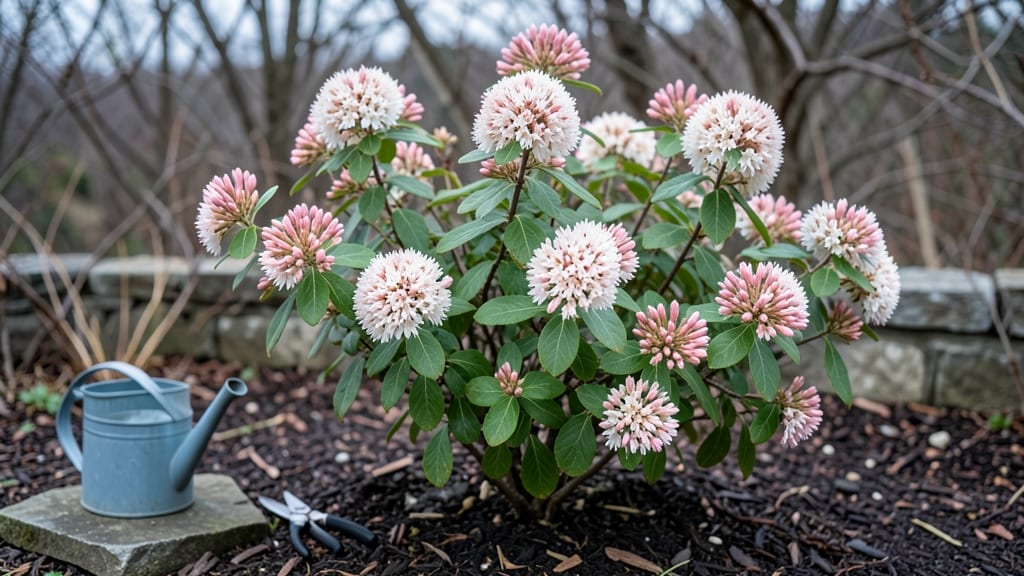
Understanding your viburnum flowering time 🌸 is the key to planning your garden’s most fragrant moments each year.
If you’ve ever wondered why your vibrant viburnum shrubs bloom at different times each year—or how to time your garden visits for peak floral displays—this month-by-month guide will unlock the secrets of their seasonal rhythm.
Most viburnums burst into bloom in late spring, but some varieties—like the winter-blooming Viburnum bodnantense—defy the norm with early snowdrops of color. Climate, pruning habits, and even your USDA zone can shift those timelines by weeks.
Here’s how to predict when your viburnum will shine, plus pro tips to encourage earlier or longer blooms—so you never miss a single fragrant cluster.
When do viburnums bloom? Month-by-month flowering timeline by species
Viburnums are famous for their stunning floral displays, but their blooming windows vary wildly depending on the species. Some burst into color in late winter while others wait until late spring.
Understanding these differences helps you plan garden visits and care routines. For example, Viburnum bodnantense (Winter Beauty) blooms in January-February, while Viburnum plicatum (Japanese Snowball) waits until May-June.
Your USDA zone also shifts bloom times. In Zone 5, expect flowers 2-4 weeks later than in Zone 9. Cold snaps can delay blooms, while mild winters may trigger earlier flowering.
Let’s break down the month-by-month schedule for your favorite viburnums, plus climate-specific adjustments to keep your shrubs thriving.
Species
Bloom Months (Zones 5-9)
Key Features
Climate Notes
Viburnum bodnantense (Winter Beauty)
Jan-Feb (Zones 6-9)
Feb-Mar (Zone 5)Fragrant pink buds, winter blooms, dark green foliage
Early bloomer; protect buds from late frosts with mulch
Viburnum dentatum (Arrowwood)
May-June (all zones)
White clusters, native to US, attracts pollinators
Drought-tolerant; prune after flowering
Viburnum plicatum (Japanese Snowball)
May-June (Zones 5-7)
Apr-May (Zones 8-9)Layered branches, large white blooms, repeat blooms
Needs well-drained soil; stake young plants
Viburnum opulus (Cranberrybush)
Jun-Jul (all zones)
Red berries, flat-topped white flowers, late summer fruit
Full sun to partial shade; berries attract birds
Viburnum trilobum (American Cranberrybush)
Jun-Jul (Zones 3-6)
May-Jun (Zones 7-9)Fragrant white flowers, red fall foliage, edible berries
Cold-hardy; great for wildlife gardens
If you’re in Zone 5, plan to visit your Winter Beauty viburnum (Viburnum bodnantense) in February for its early-season spectacle. In Zone 9, the same variety may bloom as early as January.
Meanwhile, Viburnum plicatum lovers should mark their calendars for late May in cooler zones or April in warmer climates.
For late-summer bloomers like Viburnum opulus, timing is key if you want to enjoy both flowers and berries. These varieties bloom in June-July across all zones, but their berry production peaks in late summer. Prune after flowering to avoid cutting off next year’s buds.
In Zone 6-7, late frosts can damage early bloomers like Viburnum bodnantense. To protect your shrubs, apply a 3-inch layer of mulch in late fall and avoid over-fertilizing with nitrogen, which encourages tender new growth vulnerable to frost.
Did you know some viburnums rebloom later in the season? Viburnum plicatum often produces a second flush of flowers in late summer if you prune correctly. For these varieties, light pruning after the first bloom encourages a second round of showy white clusters.
For container gardening, choose compact varieties like Viburnum burkwoodii, which blooms in April-May and thrives in pots with well-draining soil. Move containers to sheltered spots during winter to prevent frost damage to buds.
If your viburnum isn’t blooming on schedule, check these
How to extend viburnum blooms: pruning, fertilizing, and climate hacks
Want your viburnum to burst into bloom earlier or keep its floral display longer?
The key lies in understanding its natural rhythm and giving it the right care at the right time. Pruning techniques, soil amendments, and even microclimate adjustments can transform your shrub from a one-season showstopper to a year-round star.
Let’s explore how to coax those fragrant clusters into extending their season.
Most viburnum varieties set flower buds in late summer or fall, which means their blooming time is already determined months in advance. However, you can influence bud survival and flowering intensity through strategic care.
For example, late frosts can devastate delicate buds, while proper pruning ensures stronger growth for next year’s display. Let’s break down the actionable steps to maximize your viburnum’s bloom potential.
- 1. Prune after flowering: Always wait until after your viburnum blooms to prune. This ensures you don’t remove next year’s flower buds, which form on old wood. Use clean, sharp pruning shears to cut back 1/3 of the oldest stems to encourage new growth.
- 2. Fertilize in early spring: Apply a balanced fertilizer (10-10-10) in March or April when new growth appears. Avoid high-nitrogen fertilizers, which promote leafy growth at the expense of flowers.
- 3. Mulch heavily in fall: Spread a 3-inch layer of mulch around the base to insulate roots and protect flower buds from winter temperature swings. Use organic mulch like shredded bark or wood chips.
- 4. Protect from late frosts: If your region experiences late spring frosts, create a microclimate by planting viburnum near a southeast-facing wall or using a cloche to trap heat around buds.
- 5. Water deeply in summer: Drought stress weakens plants and reduces flowering. Water deeply once a week during dry spells, ensuring moisture reaches the root zone.
One of the biggest mistakes gardeners make is pruning viburnum at the wrong time. If you cut back stems in late winter or early spring, you risk removing the flower buds that formed the previous summer.
Instead, focus on shaping and rejuvenating the shrub after it finishes blooming. This timing ensures you’re always working with new growth while preserving next year’s potential.
For soil amendments, viburnums thrive in well-draining, slightly acidic soil (pH 5.0–6.5). If your soil is alkaline or compacted, amend it with peat moss or compost in early spring.
You can also incorporate a slow-release fertilizer at planting time to give your shrub a nutritional head start. Over time, this improves root health and flowering vigor.
Don’t overlook the power of microclimate strategies. If your garden is prone to late frosts or strong winds, consider planting your viburnum in a sheltered location, such as near a fence or building.
A windbreak can protect delicate buds, while a south-facing wall absorbs sunlight and radiates warmth, extending the blooming season. Even a simple mulch ring can make a difference in bud survival during harsh winters.
With these pruning, fertilizing, and climate hacks, your viburnum will reward you with earlier blooms, longer displays, and healthier growth. Keep an eye on your shrub’s response to these changes, and adjust your approach as needed. Happy gardening! 🌸