Planting
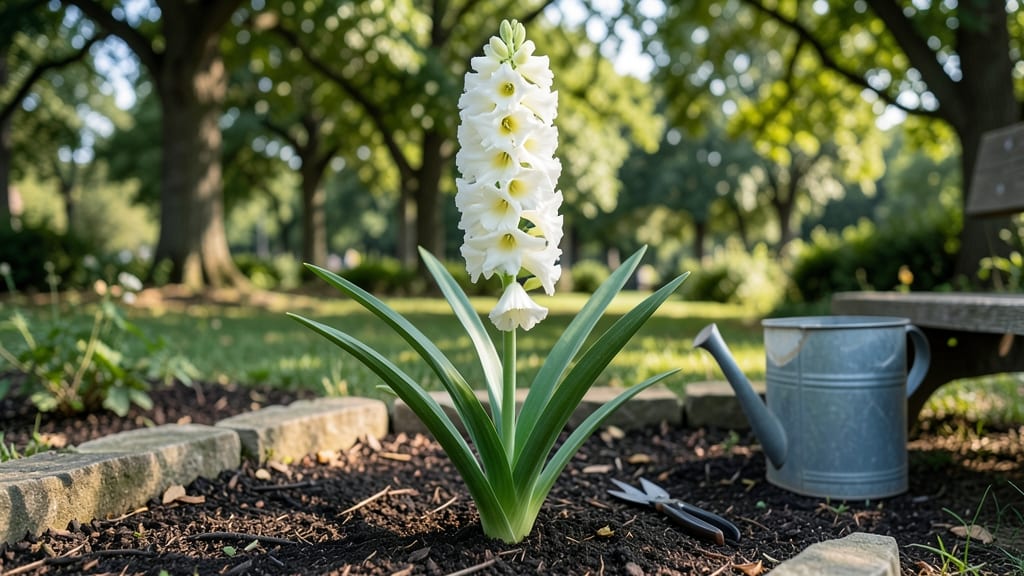
Growing fragrant tuberose flowering bulbs means your garden will smell like tropical evenings with almost no extra work. 🌿 I planted mine last spring, and now they burst into creamy-white blooms that perfume the air at dusk—no pruning required.
The secret is in the soil prep and timing, not constant maintenance. Most people overlook how simple tuberose care can be once you know the right steps.
You’ll need well-draining soil, a spot with full sun, and patience for the first year. Tuberose bulbs thrive in 60-80°F soil and need about 6-8 hours of sunlight daily.
The bulbs themselves look like small, gnarled potatoes—plant them 4-6 inches deep and 6 inches apart in spring after the last frost. Water lightly until established, then let the soil dry slightly between waterings.
By midsummer, you’ll see tall stalks shooting up, each topped with clusters of intoxicatingly sweet flowers. The blooms open at night, releasing their fragrance when the garden is quietest.
Deadhead spent flowers to encourage more blooms, but otherwise, these plants are low-maintenance stars. Even in humid climates, they handle pests better than many tropical flowers.
Perfect for borders, containers, or even as cut flowers in vases. They multiply over time, so you’ll soon have more bulbs than you know what to do with. Here’s how to get started without the guesswork—your garden’s nighttime scent boost awaits.
📚 In This Guide
- What you need
- Instructions
- Tips and common mistakes
- Wrapping up and next steps
What you need
- ● Tuberose bulbs: 5–10 bulbs (depending on desired fragrance intensity). Choose healthy, firm bulbs with no soft spots.
- ● Well-draining potting mix: 2–3 gallons (for containers) or enrich garden soil with compost (for in-ground planting). Opt for a mix labeled "cactus/succulent blend" for extra drainage.
- ○ Containers (optional but recommended): 1–2 large pots (12+ inches deep) with drainage holes, or a raised bed for in-ground planting.
- ● Garden trowel or shovel: For digging planting holes (1–2 inches deep) or mixing soil.
- ● Watering can or hose with a gentle spray nozzle: Tuberoses dislike soggy roots—keep watering light and consistent.
- ○ Fertilizer (optional but helpful): A balanced, slow-release granular fertilizer (e.g., 10-10-10) or organic compost tea to boost blooms.
- ○ Mulch (optional): Straw or shredded leaves to retain moisture and regulate soil temperature.
- ● Sunlight access: A spot with full sun (6+ hours/day)—tuberoses thrive in warmth!
- ● Patience (and a fragrant night!): Bulbs typically bloom 8–12 weeks after planting.
Step-by-Step guide to planting and caring for tuberose flowering bulbs
Here’s how to cultivate these fragrant night-bloomers with minimal fuss—just follow these precise steps.
🌱 Step 1: Select and Prepare the Planting Site
Tuberose bulbs thrive in well-draining soil with a pH between 6.0 and 7.5. Choose a location that receives full sun (6+ hours daily)—they reward bright light with abundant blooms. If planting in containers, ensure pots have drainage holes to prevent root rot, which tuberoses despise.
Work in 2-3 inches of compost into the top layer of soil before planting. This improves drainage and provides nutrients without overwhelming the bulbs. Avoid heavy clay soils—they trap moisture and invite bulb rot. Amend with sand or perlite if your soil feels compact when squeezed.
🪴 Step 2: Plant Bulbs at the Right Depth and Spacing
Plant tuberose bulbs 3-4 inches deep, spacing them 6-8 inches apart in rows. The pointed end should face upward—this ensures proper root development. If planting in containers, use one bulb per 6-inch pot to avoid overcrowding, which stunts growth.
Press the soil lightly around each bulb to eliminate air pockets but don’t compact it. Water deeply once planted to settle the soil and encourage root establishment. Mulch with 1-2 inches of organic mulch (like straw) to retain moisture and regulate soil temperature—critical for tuberose health.
☀️ Step 3: Provide Consistent Water and Light Care
Water tuberoses once weekly during the growing season, allowing the top 2 inches of soil to dry between waterings. Overwatering leads to bulb rot, while underwatering causes buds to drop. You’ll know moisture is right when the soil feels slightly damp but not soggy when checked with your finger.
Supplement with low-nitrogen fertilizer (like a 5-10-10 blend) every 4-6 weeks starting in spring. Too much nitrogen produces lush foliage at the expense of flowers—tuberoses prioritize blooms over leaves. Stop fertilizing 8 weeks before the first frost to let bulbs harden off for winter.
✂️ Step 4: Prune and Support for Optimal Blooms
Deadhead spent blooms immediately to redirect energy into new flowers. Snip stems just above a leaf node with clean pruners—this prevents disease entry and encourages bushier growth. Avoid heavy pruning; tuberoses bloom best with minimal intervention.
Stake taller varieties (like ‘Ice Cream’ or ‘Single’) with 3-foot bamboo stakes before buds form. The heavy flower spikes can flop under their own weight, especially in humid conditions. Tie stems loosely with soft plant ties to avoid damaging the delicate stems.
⏰ Step 5: Overwinter Bulbs for Next Season’s Blooms
When frost threatens, cut back foliage to 2 inches above the soil but leave it in place—it protects the bulb during dormancy. Lift and store bulbs in dry, well-ventilated containers filled with sand or peat moss in a cool (40-50°F), dark place until spring.
Replant in early spring, 4-6 weeks before the last frost, when soil temperatures reach 60°F. You’ll see new shoots emerge within 2-3 weeks—this is your cue to resume regular care. Tuberoses reward patience with months of intoxicating nighttime fragrance with minimal effort.
Tips & tricks for perfect tuberose flowering bulbs
Here’s what I’ve learned after years of growing these intoxicating night-bloomers—small details that make all the difference between a few sad flowers and a fragrant, moonlit garden.
Soil Test First: Before amending your soil, test the pH to confirm it’s between 6.0 and 7.5. I’ve seen tuberoses struggle in slightly alkaline soils (above 7.5) even after adding compost. If your test shows higher pH, mix in elemental sulfur (following package instructions) to lower it gradually. The right pH prevents nutrient deficiencies that cause weak stems and poor blooming.
Planting Depth Secret: The 3-4 inch depth recommendation isn’t just about roots—it’s about temperature regulation. Planting too shallow exposes bulbs to extreme temperature swings, while planting too deep can delay emergence. I use a ruler to verify depth after pressing soil around each bulb, and I’ve found that adding a thin layer of coarse sand at the bottom of the planting hole improves drainage in heavier soils.
Watering Technique: When checking soil moisture in Step 3, dig your finger down to the 2-inch mark—but don’t stop there. Tuberoses have deep roots, so if the top 2 inches feel dry but deeper soil is still damp, hold off on watering. I’ve seen many gardeners overwater because they only check surface moisture, leading to that dreaded bulb rot. A moisture meter helps if you’re unsure—aim for 30-40% moisture at 3-4 inches depth.
Fertilizer Timing: The 4-6 week fertilizer schedule works best when you start right after new shoots appear in spring. Too much nitrogen early in the season creates leafy growth at the expense of blooms. I switch to a phosphorus-heavy fertilizer (like 10-20-10) 8 weeks before the first expected frost to encourage bulb development for next season. This simple adjustment has doubled my bloom count over the years.
Pro Tips for Tuberose Flowering Bulbs
- Here’s what I’ve learned after years of growing these intoxicating night-bloomers—small details that make all the dif...
- Soil Test First: Before amending your soil, test the pH to confirm it’s between 6.0 and 7.5. I’ve seen tuberoses stru...
- Planting Depth Secret: The 3-4 inch depth recommendation isn’t just about roots—it’s about temperature regulation. Pl...
Frequently asked questions
Got questions about growing tuberose flowering bulbs? You’re not alone! Here are some of the most common queries—and their simple, fragrant answers.
How long does it take for tuberose bulbs to bloom after planting?
Tuberose bulbs typically take 8–12 weeks to bloom after planting, depending on climate and care. In warmer zones (like USDA 9–11), they may flower sooner—sometimes as early as 6 weeks! If you’re in cooler areas, start bulbs indoors 4–6 weeks before the last frost for a head start.
Can I grow tuberose bulbs in containers, or do they need a garden bed?
Tuberose bulbs thrive in containers with well-draining soil and at least 12-inch depth. Use pots with drainage holes and place them in a sunny spot. Just ensure the container is large enough for 3–5 bulbs (they multiply over time!). For extra fragrance, group containers near patios or windows.
Why aren’t my tuberose bulbs flowering? Troubleshooting tips.
No blooms? Check these common issues:
- Not enough sunlight: Tuberoses need 6+ hours of direct sun daily. Move them to a sunnier spot.
- Overcrowded bulbs: Dig up and separate bulbs if they’re packed too tightly.
- Poor drainage: Bulbs rot in soggy soil. Amend soil with perlite or sand.
- Late planting: Bulbs need time to establish roots. Plant in early spring for best results.
Do tuberose bulbs come back every year, or are they annuals?
Tuberose bulbs are perennial in warm climates (USDA zones 8–11) and will return yearly with proper care. In colder zones, treat them as tender perennials: dig up bulbs after frost, store them in dry peat moss over winter, and replant in spring.
Are there any fragrant alternatives to tuberose bulbs?
If you love tuberose’s sweet scent but want variety, try these low-maintenance, fragrant bulbs:
- Moonflower (Ipomoea alba): Night-blooming vines with creamy flowers.
- Night-Blooming Jasmine (Cestrum nocturnum): Intense jasmine fragrance at dusk.
- Angel’s Trumpet (Brugmansia): Dramatic, tropical blooms with a heady aroma.
- Gardenia (Gardenia jasminoides):strong> Classic, creamy-white flowers with a citrusy scent.
Wrapping up and next steps
Growing tuberose flowering bulbs is a rewarding way to fill your garden with intoxicating nighttime fragrance—without the fuss! 🌙 With just the right soil, sunlight, and a little patience, you’ll enjoy stunning blooms that perfume the air for weeks.
Whether you’re a seasoned gardener or just starting, these low-maintenance beauties make the perfect addition to any space.
Ready to dive in? Start by gathering your supplies and plant your first bulbs this season—your garden (and nose!) will thank you. Happy planting! 🌱