Flowers
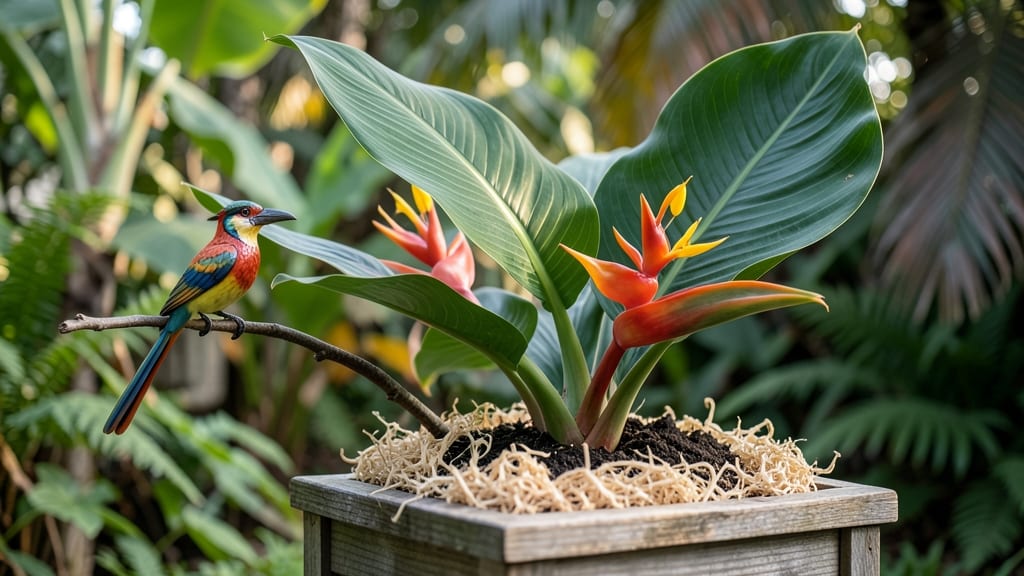
Tropical flowers and leaves turn any garden into a sun-drenched paradise. 🌺 The velvety deep purple of black mondo grass against the fiery red of canna lilies creates a contrast so striking it feels like a living painting.
My first tropical-themed border took just two weekends to transform a dull backyard corner into a lush, exotic escape.
The magic lies in layering textures and colors—glossy elephant ears, feathery palm fronds, and bold blooms like bird-of-paradise. You don’t need a greenhouse; even small spaces can shine with a few well-chosen containers.
Start with a mix of foliage and flowers that thrive in your climate, and let the plants do the heavy lifting of creating drama.
By summer’s end, you’ll have a garden that smells like vacation—citrusy frangipani, sweet hibiscus, and the earthy musk of tropical leaves. The best part? These plants keep their vibrancy well into fall, giving you drama without the fuss of seasonal swaps.
Whether you’re working with a full yard or just a sunny patio, these bold contrasts work everywhere. Let’s bring the tropics home—one stunning plant at a time.
📚 In This Guide
- What you need
- Instructions
- Tips and common mistakes
- Wrapping up and next steps
What you need
- ● Tropical plants: 3-5 varieties (e.g., Bird of Paradise, Monstera deliciosa, Hibiscus, Heliconia, Alocasia). Choose 1-2 flowering plants and 2-3 foliage-focused options for contrast.
- ● Potting soil: 5-10 gallons of high-quality, well-draining peat-based or coconut coir mix (avoid heavy clay soil).
- ● Containers or garden beds: For containers: 3-5 pots (12-18" diameter) with drainage holes.
- ● For in-ground planting: A sunny, sheltered spot with 6+ hours of sunlight daily and rich, moist soil.
- ● Mulch: 2-3 bags of organic mulch (e.g., shredded bark or pine needles) to retain moisture and regulate temperature.
- ● Fertilizer: A balanced, slow-release 10-10-10 or 20-20-20 fertilizer (follow package instructions for application rates).
- ● Garden trowel or hand shovel (for transplanting).
- ● Pruning shears (sharp and sterilized).
- ● Watering can or hose with a gentle spray nozzle (tropical plants love hydration!).
- ● Gloves (to protect hands from thorns or sap).
- ○ pH testing kit (optional but helpful—aim for 6.0-7.0 pH for most tropicals).
- ● Decorative stones or pebbles (for container drainage and aesthetics).
- ● Humidity tray or indoor humidifier (if growing indoors or in dry climates).
- ● Support stakes or trellises (for vining plants like Philodendron or Passiflora).
- ● Slow-release fertilizer spikes (for low-maintenance nutrition).
- ● Tropical-themed decor (e.g., bamboo stakes, colorful pots, or wind chimes).
How to design a striking tropical foliage display
Here’s how to create a lush, high-contrast tropical garden that thrives year-round.
🌿 Step 1: Select Contrasting Foliage Plants
Pick plants with bold textures and colors—think deep burgundy Canna lilies, silvery Elephant ears, or glossy Caladiums. I always pair a variegated plant (like Strelicia nicolai) with a solid-leafed one (like Aglaonema) to create visual drama. Check each plant’s mature size to avoid overcrowding—some tropical leaves grow 6+ feet tall!
Group plants by sunlight needs: bright indirect light for Caladiums and Alocasias, and partial shade for Ferns or Peperomias. If your space gets harsh afternoon sun, opt for Croton or Coleus—they handle heat better. I like to sketch a quick layout first to visualize how the colors will pop against each other.
🪴 Step 2: Choose Containers or Garden Beds
For containers, use 12-18 inch pots with drainage holes—tropical plants hate soggy roots. I fill the bottom with 2-3 inches of perlite or orchid bark to improve airflow, then add 3-4 inches of tropical potting mix (never garden soil—it compacts too much). If planting in-ground, amend the soil with compost and peat moss for moisture retention.
For ground beds, create a raised mound (6-8 inches high) if drainage is poor—tropical plants need their roots to dry out slightly between waterings. Mulch heavily with 3-4 inches of shredded bark to keep roots cool and retain moisture. Avoid plastic mulch; it traps too much heat and can scorch leaves.
☀️ Step 3: Position for Light and Humidity
Most tropical foliage thrives in bright, indirect light—think dappled shade under a tree or a south-facing window with sheer curtains. If leaves start yellowing or browning at the edges, your plant is getting too much direct sun. Move it back 2-3 feet or filter the light with a sheer curtain.
Boost humidity by grouping plants together (they create their own microclimate) or misting leaves daily in dry climates. A pebble tray with water under pots also helps—just don’t let the roots sit in standing water. If your home is very dry, consider a small humidifier near the display, especially in winter when indoor air gets crisp.
💧 Step 4: Water Deeply and Consistently
Water when the top 1-2 inches of soil feel dry—stick your finger in to check. Tropical plants drink deeply, so soak the soil until water runs out the drainage holes, then let it drain completely. I water in the morning so leaves dry by evening, which prevents fungal issues like black spot or powdery mildew.
Never let tropical plants wilt—they recover poorly from drought stress. If you’re away for a week, group pots together and place them in a shallow tray of water so they absorb moisture through their leaves. Avoid overhead watering; it can stain variegated leaves and encourage disease.
✂️ Step 5: Prune and Maintain Year-Round
Trim leggy stems or yellowing leaves with clean, sharp scissors to encourage bushier growth. I always snip just above a leaf node (the bump where new leaves grow) to promote branching. For Caladiums and Alocasias, remove old leaves in early spring to make room for fresh foliage.
Fertilize lightly every 4-6 weeks with a balanced liquid fertilizer (10-10-10) during the growing season (spring-fall). In winter, cut back to once every 8-10 weeks—tropical plants rest slightly in cooler months. Watch for pests like spider mites (tiny webs on undersides of leaves) or mealybugs (cottony white clumps)—wipe them off with a damp cloth or spray with neem oil.
Tips & tricks for stunning tropical foliage displays
These simple strategies will help you create a vibrant tropical garden that stands out all year long.
Plant Pairing Power: The key to visual drama lies in contrasting textures and colors. I always pair a glossy leaf like Caladiums with a velvety one like Canna lilies—the contrast creates instant impact. For height variation, place taller plants like Strelicia nicolai (up to 6 feet!) behind shorter varieties. This creates depth and draws the eye upward, making your display feel lush and intentional.
Container Hack: When using 12-18 inch pots, I recommend adding a layer of orchid bark instead of just perlite—it breaks down slowly, improving moisture retention while still providing airflow. For ground beds, that 6-8 inch raised mound isn't just for drainage; it also creates a natural focal point that makes your tropical plants look like they belong in a jungle paradise. The extra height helps prevent water pooling around the base.
Light Troubleshooting: If your Caladiums or Alocasias start yellowing after a few weeks, they're getting too much direct sun. Move them back 2-3 feet or add a sheer curtain—this subtle adjustment can save your plants. For variegated leaves like Aglaonema, harsh afternoon sun can bleach the colors, so rotate pots occasionally to ensure even light exposure all around.
Humidity Boost: Grouping plants together creates their own microclimate, but for extra moisture in dry climates, I swear by the pebble tray method. Fill a shallow tray with water and pebbles, then place pots on top—just make sure the bottoms of the pots aren't sitting in water. This simple trick raises humidity around your plants without overwatering the soil. In winter, I move my tropical display near a humidifier for an extra glow.
Pro Tips for Tropical Flowers And Leaves
- These simple strategies will help you create a vibrant tropical garden that stands out all year long.
- Plant Pairing Power: The key to visual drama lies in contrasting textures and colors. I always pair a glossy leaf lik...
- Container Hack: When using 12-18 inch pots, I recommend adding a layer of orchid bark instead of just perlite—it brea...
Frequently asked questions
Got questions about adding tropical flair to your garden? Here are some answers to help you bring bold foliage contrasts into your space with ease!
What are the easiest tropical flowers and leaves to grow for beginners?
Start with low-maintenance stars like Bird of Paradise (Strelitzia), Hibiscus, or Heliconia. These thrive in warm climates and add instant drama. For foliage, Monstera deliciosa (Swiss cheese plant) or Alocasia (elephant ear) are forgiving and striking. Choose based on your sunlight and watering habits!
When is the best time to plant tropical flowers and leaves?
Plant tropicals after the last frost in spring (around mid-May in most U.S. zones 9-11). If you’re in a cooler zone, opt for container gardening or overwinter them indoors. Pro tip: Monitor soil temperature—tropicals love warmth (60°F+). For year-round color, stagger plantings every 6-8 weeks!
Can I mix tropical flowers with other plants, or do they need their own space?
Pair tropicals with hostas for shade or succulents for contrast in sunny spots. Just ensure they share similar water needs. Avoid overcrowding—tropicals like Canas or Bromeliads need airflow to prevent fungal issues. Design tip: Group bold leaves (like Caladiums) with delicate blooms (e.g., Orchids) for texture!
How often should I water tropical flowers and leaves?
Most tropicals crave consistent moisture but hate soggy roots. Water deeply 2-3 times weekly (daily in extreme heat). Check soil moisture—if the top 1-2 inches are dry, it’s time! Mulch helps retain moisture. Warning: Yellowing leaves? You might be overwatering. Adjust based on your climate!
What do I do if my tropical leaves turn yellow or brown?
Yellow leaves often signal overwatering or nutrient deficiency. Brown edges? Likely underwatering or sunburn. Trim damaged foliage and adjust care: move to partial shade if scorched, or fertilize lightly (use a balanced 10-10-10 formula). Quick fix: Repot if roots are waterlogged or root-bound—this can revive struggling plants!
Wrapping up and next steps
From vibrant hibiscus blooms to lush monstera leaves, tropical flowers and foliage bring a burst of color and texture to any garden—no matter the season! 🌺 Their bold contrasts and easy-care nature make them perfect for adding drama while keeping maintenance simple.
Whether you’re a seasoned gardener or just starting, these plants offer endless creativity for outdoor (or indoor!) spaces.
Ready to transform your space? Start small—pick one standout plant or mix a few for a stunning tropical vibe. Grab your gardening gloves and get planting! 🌿