
Vegetables
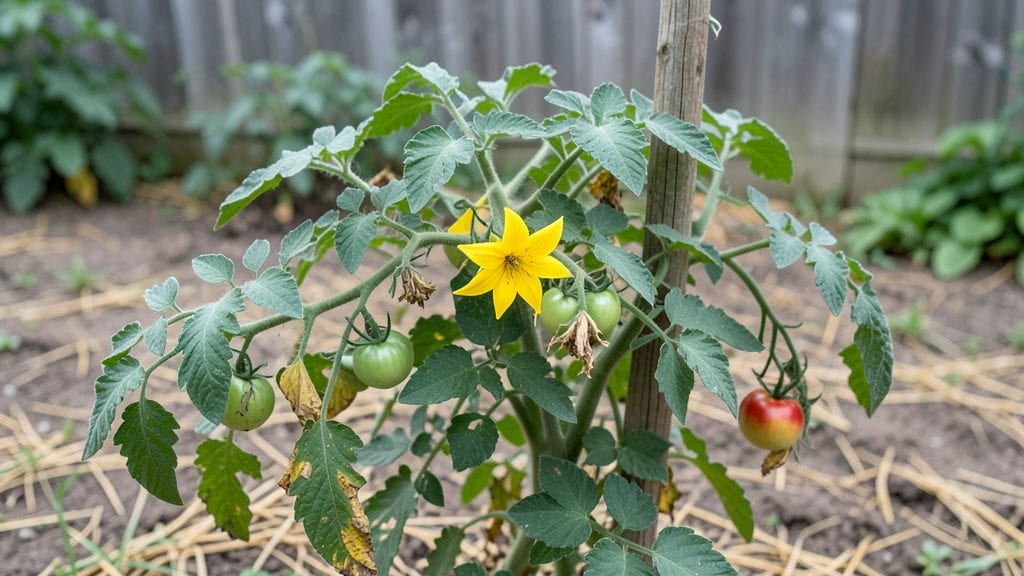
The dying of tomato flowers before they set fruit is one of the most frustrating problems gardeners face—especially when you’ve poured time and care into your plants. 🌱 I’ve seen it happen in my own backyard, where perfect-looking blooms would simply crumble. away, leaving empty stems behind.
The good news? Most causes have simple fixes, and understanding the root issue is the first step to saving your harvest.
Common culprits include temperature swings (especially nights below 55°F or days over 90°F), nutrient imbalances (too much nitrogen or calcium deficiencies), and pests like hornworms that devour flowers before they set fruit.
Even something as subtle as inconsistent watering can trigger blossom drop. The key is identifying which stressor your plants are facing—because once you know the problem, the solution becomes straightforward.
By adjusting care routines, you’ll see flowers start converting to fruit within 7-10 days. Healthy plants develop stronger stems, deeper green leaves, and—most importantly—tomatoes where the blooms used to be.
The best part? These fixes work whether you’re growing in raised beds, containers, or the ground, making them universally applicable.
We’ll walk through each potential cause, step-by-step rescue actions, and long-term prevention so you can enjoy a bountiful harvest without the heartbreak of wasted blooms. Let’s get those flowers turning into fruit before your eyes.
Root Causes Behind Drooping Blooms
When your tomato plants refuse to set fruit despite a sea of vibrant flowers, the issue often lies in environmental or biological stressors disrupting the plant’s reproductive cycle. Understanding these triggers is the first step to saving your harvest.
Below, we break down the key culprits behind tomato flowers wilting or dying prematurely, along with the science that explains their impact.
Tomatoes are sensitive to temperature fluctuations, and their flowers have a narrow comfort zone—typically between 55°F and 85°F (13°C–29°C). Outside this range, pollen production and fertilization falter.
- Heat Stress (Above 90°F/32°C):
High temperatures cause male sterility in tomato flowers—the pollen grains fail to mature properly, making it impossible for fertilization to occur. Even if flowers appear healthy, they’ll drop without setting fruit. Pro Tip: Look for blistered or curled petals as a telltale sign of heat stress.
- Cold Stress (Below 50°F/10°C):
Chilly nights or early frosts disrupt pollen tube growth, preventing sperm cells from reaching the ovule.
Flowers may wilt or turn brown, and any potential fruit will abort within days. Pro Tip: If your region experiences late springs, opt for cold-tolerant varieties like 'Mountain Merit' or use row covers for protection.
Water acts as a transport system for nutrients and hormones in tomato plants. Disrupt this balance, and flowers send distress signals by wilting or dropping.
- Underwatering:
Inconsistent watering causes osmotic stress, where roots struggle to absorb moisture, leading to flower abortion. Wilting petals are the plant’s way of conserving energy. Pro Tip: Aim for 1–1.5 inches (2.5–4 cm) of water per week, delivered deeply at the soil level to encourage strong root growth.
- Overwatering:
Soggy soil leads to root asphyxiation, cutting off oxygen supply and triggering ethylene production—a hormone that accelerates flower drop. Pro Tip: Check soil moisture with your finger; if the top 2 inches are damp, wait before watering. Use well-draining soil mixes with perlite or compost.
Tomatoes are heliophytes, meaning they thrive in full sun (6–8+ hours daily). When deprived of light, flowers become weak and fail to develop properly.
- Shade Stress:
Low light reduces photosynthesis, limiting the plant’s ability to produce energy for flower development. Petals may turn pale or yellow, and buds drop before opening. Pro Tip: If growing in containers or urban gardens, rotate plants weekly to ensure even sun exposure.
- Intense Midday Sun (Without Acclimation):
Sudden exposure to harsh sunlight can cause photoinhibition, where chlorophyll breaks down, leading to flower scorching. Pro Tip: Gradually harden off seedlings and use shade cloth (30–50%) during peak hours if transitioning from indoors.
Tomatoes rely on vibration pollination, where bees or wind transfer pollen from male to female flower parts. Without this step, flowers won’t develop into fruit.
- Bee Decline:
Pesticide use, urbanization, or early-season planting can reduce pollinator activity. Flowers may remain intact but fail to set fruit. Pro Tip: Plant bee-friendly companions like basil or marigolds nearby, or hand-pollinate by gently shaking plants during bloom.
- Poor Wind Exposure:
Indoor or heavily sheltered tomatoes may struggle with wind pollination. Pro Tip: Use a small paintbrush to transfer pollen from the stamens (male) to the stigma (female, the green tip) of each flower.
Tomatoes are heavy feeders, and deficiencies or excesses in key nutrients directly impact flower health.
| Nutrient Issue | Symptoms | Solution |
|---|---|---|
| Nitrogen Excess | Lush foliage but no flowers; petals drop early. | Switch to a balanced fertilizer (10-10-10 or 5-10-10) and reduce nitrogen-rich amendments like manure. |
| Phosphorus Deficiency | Dark green leaves with purplish stems; flowers wilt quickly. | Apply bone meal or phosphate-rich compost at planting. |
| Potassium Deficiency | Yellowing leaf edges (scorch) and weak stems. | Use potassium sulfate or wood ash mid-season. |
| Calcium Deficiency | Blossom-end rot (blackened flower bases) and petal deformities. | Add crushed eggshells or gypsum to soil. |
💡 Quick Fix: Conduct a soil test to diagnose imbalances before amending. Over-fertilizing can worsen the problem!
Revive Your Tomato Flowers Fast
When your tomato plants refuse to set fruit, panic isn’t the answer—action is! The key to saving those wilting blooms lies in identifying the root cause and applying targeted fixes. Below, we break down practical, step-by-step solutions for each common trigger, plus pro tips to keep your plants thriving long-term.
Signs: Flowers drop within hours of blooming, especially in scorching afternoons. Why it happens: Tomato flowers are sensitive to temperatures above 90°F (32°C)—they simply shut down to conserve energy.
How to fix it:
- 🌿 Shade cloth to the rescue: Drape 30–50% shade fabric over plants during peak heat (10 AM–4 PM). Secure it 2–3 feet above the foliage to avoid trapping humidity.
- 💦 Morning watering only: Wet soil early to cool roots, but avoid evening watering (encourages fungal diseases).
- 🌱 Mulch like a pro: Spread 2–3 inches of straw or wood chips around the base to regulate soil temperature.
Prevention tip: 💡 Choose heat-tolerant varieties like ‘Solar Fire’ or ‘Heatmaster’ if your climate regularly hits 95°F+.
Signs: Flowers wilt, turn brown, or fall off; soil feels soggy (overwatered) or bone-dry (underwatered).
How to fix it:
- 🔥 Check the soil first: Stick your finger 1–2 inches deep. Water only if dry (overwatering is worse than underwatering!).
- 👨🍳 Deep watering routine: Water slowly at the base (not overhead) for 10–15 minutes, 2–3 times per week. Use a soaker hose for even distribution.
- 🥘 Drainage upgrade: If your pots or garden bed retain water, amend soil with perlite or vermiculite (20% mix).
Prevention tip: 🌡️ Self-watering pots or drip irrigation automate consistency—perfect for busy gardeners!
Signs: Flowers appear but no fruit sets; blooms drop prematurely (common in greenhouses or low-bee areas).
How to fix it:
- 🍳 DIY pollination: Use a small paintbrush or cotton swab to gently transfer pollen from male (stamens) to female (pistil) parts of flowers. Do this early morning when flowers are open.
- 🐝 Attract pollinators: Plant bee-friendly flowers nearby (marigolds, basil, borage) and avoid pesticides for 2 weeks before flowering.
- 🌬️ Wind assistance: If bees are scarce, lightly shake plants on calm days to mimic wind pollination.
Prevention tip: ✨ Early morning pollination works best—dew keeps flowers sticky for easier pollen transfer!
Signs: Flowers turn black, mushy, or covered in mold; leaves develop yellow spots.
How to fix it:
- 🔪 Prune infected parts: Snip off affected flowers and leaves with sterilized scissors, then dispose of them (don’t compost!).
- 🌿 Fungicide spray: Mix 1 tsp baking soda + 1 quart water + a few drops of dish soap. Spray every 5–7 days until blooms recover.
- 🌡️ Improve airflow: Space plants 18–24 inches apart and stake indeterminate varieties to reduce humidity buildup.
Prevention tip: 💡 Copper fungicide (organic option) prevents recurrence—apply preventatively if your area is prone to blight.
Signs: Flowers are small, pale, or fail to open; leaves yellow between veins (nitrogen deficiency) or purple stems (phosphorus deficiency).
How to fix it:
- 📊 Soil test first: Grab a DIY test kit (or send a sample to a local extension office) to identify deficiencies.
- 💪 Balanced fertilizer: Use a 5-10-10 or 10-20-20 formula (NPK) every 2–3 weeks during flowering. Avoid high-nitrogen (like lawn fertilizer)—it promotes leaves over fruit!
- 🥗 Organic boost: Mix compost tea or fish emulsion into water for a quick phosphorus/potassium kick.
Prevention tip: 🌱 Side-dress with banana peels (rich in potassium) for extra flower power!
If blooms keep dying despite fixes, your tomato may be stressed from overgrowth or disease. Prune aggressively (cut back by 1/3) and fertilize with a bloom booster (like tomato-specific food) to encourage new, healthier flowers.
Pro Tip: 🎯 Keep a garden journal! Track watering, temps, and blooms to spot patterns and adjust next season. Happy gardening—your tomatoes will thank you with a bountiful harvest! 🍅✨
Frequently asked questions
Why do my tomato flowers wilt and drop so quickly after opening?
This is often caused by temperature stress—tomatoes thrive between 55°F and 85°F. If nights dip below 50°F or days exceed 90°F, flowers lose their ability to pollinate. Heat also causes pollen to fail, while cold disrupts pollen tube growth. Check your local forecast and use row covers for early springs or shade cloth during heatwaves.
Can overwatering really cause tomato flowers to die?
Soggy soil cuts off oxygen to roots, triggering ethylene production—a hormone that accelerates flower drop. Always check soil moisture by sticking your finger 1-2 inches deep. Water only when dry, and improve drainage with perlite or compost. Overwatering is just as harmful as underwatering for tomato blooms.
How can I tell if my tomato flowers are failing due to pests?
Look for chewed petals, missing stamens, or tiny holes—signs of hornworms, aphids, or spider mites. These pests devour flowers before they can set fruit. Remove pests manually or use neem oil spray. Planting basil or marigolds nearby also deters many flower-eating insects.
Will hand-pollinating my tomatoes actually work?
Yes! Use a small paintbrush or cotton swab to transfer pollen from the yellow stamens to the green pistil (center) of each flower. Do this early morning when flowers are open and dew helps pollen stick. This mimics how bees pollinate and works especially well in greenhouses or areas with few pollinators.
Can I save tomato plants with dying flowers if they're already staked?
Staked plants are actually easier to rescue! Focus on water consistency and nutrient balance. Prune any diseased leaves and add a balanced fertilizer (5-10-10). Staking also improves airflow, reducing fungal issues. Just avoid over-pruning—remove only 1/3 of foliage at a time to avoid shocking the plant.