Shrubs
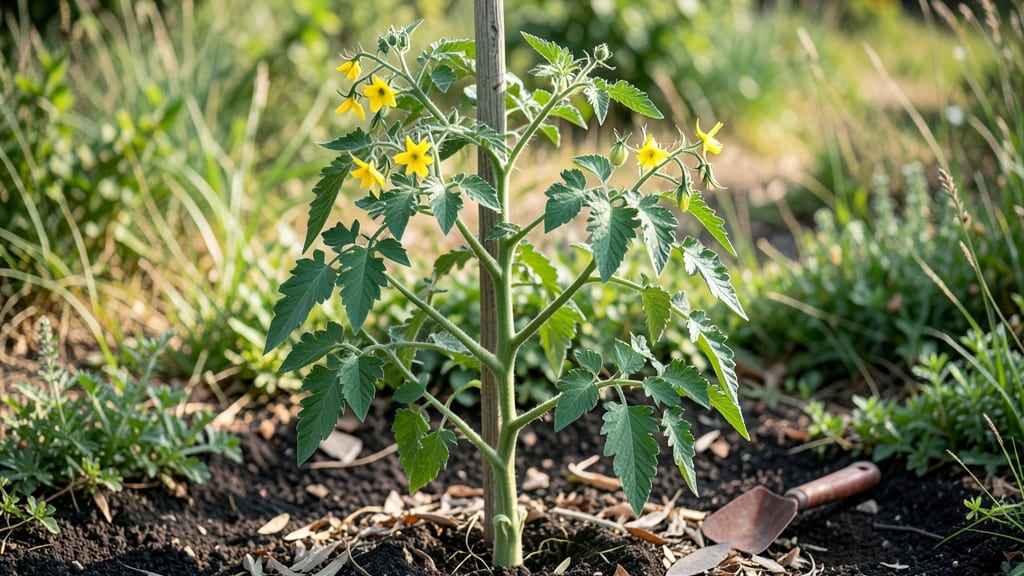
Tomato flowering early isn’t always a problem—it’s actually a sign your plants are thriving, but only if you’re ready for the heat. 🌿 I’ve seen tomatoes bolt in July and still produce fruit, but the trick is managing stress so the plants don’t sacrifice size or flavor for speed.
The key lies in understanding what triggers early blooms and how to redirect that energy.
Heat waves and long daylight hours push tomatoes into flowering mode faster than they can grow strong stems or leaves.
That’s why my plants sometimes get leggy and produce small fruit when temperatures climb above 85°F. The solution isn’t to panic—it’s to slow things down with shade cloth, consistent watering, and strategic pruning to keep the plant focused on growth, not just flowers.
With the right adjustments, you’ll end up with bigger, sweeter tomatoes that ripen evenly instead of a rush of tiny, underdeveloped fruit. I’ve even seen plants recover from early flowering to produce a second flush of blooms later in the season.
The secret is balancing heat protection with just enough stress to keep the plant productive.
This works for both greenhouse and outdoor tomatoes, whether you’re dealing with a sudden heatwave or a naturally hot climate. Let’s turn those early blooms into a strength, not a weakness—starting with a few simple tweaks that make all the difference.
Triggers Behind Premature Blooms
Understanding why your tomato plants are flowering early—sometimes even before they’ve had a chance to establish strong roots or develop robust foliage—can help you take corrective action. Here are the key factors that push tomatoes into premature bloom, along with the science behind them:
Tomatoes are sensitive to temperature fluctuations, and sudden warmth (especially above 85°F/29°C) can trick them into flowering early.
This happens because: - Ethylene gas production spikes in hot conditions, a natural plant hormone that signals flowering. - Day-length sensitivity (photoperiodism) is less critical for tomatoes than for some other plants, but consistent warmth can override their natural growth cycle. - Stress hormones (like abscisic acid) may accelerate blooming as a survival mechanism when roots struggle to absorb water in heat.
Actionable insight: If your region has early heatwaves, consider shading young plants with lightweight fabric or using reflective mulch to moderate soil temps.
When tomato seedlings are transplanted too early or struggle to establish roots, they may prioritize reproduction over vegetative growth.
This is especially true if: - Root disturbance during transplanting damages fine feeder roots, slowing nutrient uptake. - Cold or compacted soil restricts root expansion, forcing the plant to "give up" on growth and focus on flowering. - Overcrowding in containers or beds limits root space, triggering stress responses.
Actionable insight: Use root stimulants (like mycorrhizal fungi) at planting, and avoid transplanting until soil temps are consistently above 60°F/15°C.
Tomatoes need 12–16 hours of sunlight daily, but too much direct light (especially in hot climates) can cause:
- Premature flowering due to high light intensity stressing the plant.
- Blossom drop if flowers form before the plant is mature enough to support them.
- Stunted growth if light is excessive without balanced nutrients (like phosphorus and potassium).
Actionable insight: In intense sunlight zones, provide partial shade (30–50%) during peak afternoon heat to delay flowering until plants are stronger.
A lack of key nutrients can force tomatoes into early bloom as a survival tactic.
Watch for: - Low nitrogen (N): Leads to small, weak plants that flower early to reproduce before dying. - Excess phosphorus (P): While phosphorus supports flowering, too much (especially in young plants) can overstimulate blooms before the plant is ready. - Potassium (K) or calcium (Ca) deficiencies: Weak stems and poor root health may trigger stress-induced flowering.
Actionable insight: Test soil before planting and amend with balanced fertilizer (e.g., 5-10-10). Avoid high-phosphorus fertilizers on young seedlings.
Fluctuating moisture levels—whether drought stress or overwatering—can disrupt tomato growth cycles:
- Drought stress causes plants to conserve energy by shifting resources to flowering.
- Overwatering (leading to root rot or anaerobic soil) forces the plant into survival mode, often triggering early blooms.
- Inconsistent watering (e.g., dry spells followed by heavy watering) confuses the plant’s hormonal signals.
Actionable insight: Maintain 1–1.5 inches of water weekly, keeping soil evenly moist (not soggy). Use drip irrigation to avoid leaf wetness.
Some tomato varieties are early bloomers by nature, especially:
- Determinate varieties (e.g., 'Roma,' 'Celebrity') that naturally flower early to produce a single harvest before dying.
- Heat-tolerant hybrids (like 'Solar Fire' or 'Heatmaster') bred to flower under stress but may do so prematurely if conditions aren’t ideal.
- Old heirloom varieties with shorter juvenile phases, meaning they flower quickly even under optimal conditions.
Actionable insight: If early flowering is a repeat issue, choose indeterminate varieties (e.g., 'Sungold,' 'Brandywine') for delayed, continuous blooming.
Fix Early Blooms Naturally
Early flowering in tomatoes can be frustrating, but with the right adjustments, you can guide your plants toward stronger, more productive growth. Below are practical, cause-specific solutions to reset your tomatoes and prevent premature blooms—plus tips to keep them thriving for a bountiful harvest.
If your tomatoes are flowering early due to excessive heat, they may struggle to set fruit. Here’s how to cool them off:
- 🌿 Provide Shade Cloth Use 30-50% shade cloth during peak afternoon sun (especially in zones 8+). This reduces stress without cutting off light entirely. Pro Tip: 💡 White or silver fabric reflects heat better than dark colors.
- 💦 Increase Watering (But Smartly) Deep watering in the early morning keeps roots cool. Avoid wetting leaves to prevent disease. Pro Tip: 🌡️ Mulch heavily (straw or grass clippings) to retain moisture and block heat from the soil.
- 🌬️ Boost Airflow Prune lower leaves and space plants 18-24 inches apart to improve circulation. A small fan on hot days can also help.
If your tomatoes are stretching toward light and flowering early, they’re likely light-deprived. Fix it with:
- 🔥 Move to a Sunniest Spot Tomatoes need 6-8 hours of direct sun daily. If your garden lacks space, consider vertical growing (trellises or cages) to maximize light exposure.
- 🌱 Use Grow Lights (Indoors) If growing in containers or a greenhouse, supplement with LED grow lights (12-16 hours/day) to mimic long summer days.
- 🍅 Choose Determinate Varieties These bushier types (like ‘Roma’ or ‘Celebrity’) mature faster and handle lower light better than indeterminate vines.
Too much nitrogen (common in early growth boosters) triggers leafy growth and early flowers at the expense of fruit. Correct it with:
- 🍽️ Switch to a Low-Nitrogen Fertilizer Use a balanced (5-10-10) or phosphorus-heavy (5-10-5) fertilizer to encourage root and flower development. Pro Tip: 🌱 Fish emulsion or compost tea adds micronutrients without overloading nitrogen.
- 🚫 Stop Feeding for 2 Weeks Let the plant stress slightly—this can trigger a flush of stronger, later blooms.
- 💧 Flush the Soil Water heavily to leach excess salts from synthetic fertilizers, then resume feeding with a potassium-rich option (like banana peel tea).
Transplant shock, pests, or disease can trigger early flowering as a survival response. Help your tomatoes recover:
- 🛡️ Treat Pests/Disease Immediately Remove affected leaves, spray with neem oil or insecticidal soap, and apply copper fungicide if needed.
- 🌿 Prune Aggressively (But Strategically) Cut back suckers (side shoots) and lower leaves to reduce stress. Focus on main stems and upper foliage to keep energy upward. Pro Tip: ✂️ Use clean, sharp pruners to avoid tearing stems.
- 🌱 Support Weak Stems Use stakes or cages to prevent wind damage, which can stress plants into early blooming.
Stop early blooms before they start with these long-term strategies:
- 🌱 Start Seeds Indoors Later Delay sowing by 2-4 weeks to avoid exposing seedlings to early heat waves.
- 🌡️ Choose Heat-Tolerant Varieties Opt for ‘Heatmaster,’ ‘Solar Fire,’ or ‘Arkansas Traveler’—these handle warmth better.
- 🌱 Harden Off Gradually Acclimate seedlings to outdoor conditions over 7-10 days to prevent shock.
- 🌱 Monitor Soil Temperature Ideal soil temps for tomatoes: 60-75°F. Use a soil thermometer to adjust watering or shading as needed.
Final Note: Patience is key! If your tomatoes are already flowering early, prune back lightly and focus on root health and stress reduction. With the right care, they’ll bounce back stronger—and you’ll still get a great harvest! 🍅✨
Frequently asked questions
Why do my tomato plants flower early even when they're still small?
Early flowering often happens when tomatoes experience heat stress (above 85°F/29°C) or nutrient imbalances. Plants may also bolt prematurely if they're struggling with transplant shock or root constraints in containers. This is their survival response—focused on reproduction rather than growth when stressed.
Will early flowers still produce good tomatoes?
Not always. Early blooms often lead to small, underdeveloped fruit because the plant isn't mature enough to support them. However, if you provide consistent water, balanced fertilizer, and shade during heatwaves, some may still ripen—just expect a second, larger flush of blooms later in the season.
Can I prune off early flowers to delay fruiting?
Yes! Pruning off early flowers can help redirect the plant's energy toward leaf and stem growth instead. Focus on removing lower clusters first, then monitor for new suckers. Just avoid over-pruning—keep 3-5 main stems to maintain balance. This works best for indeterminate varieties like 'Sungold'.
What's the best way to prevent early flowering next season?
Start by choosing heat-tolerant varieties (like 'Heatmaster') and delaying sowing by 2-4 weeks to avoid early heat exposure. Use 30% shade cloth during peak sun, maintain consistent moisture, and avoid high-nitrogen fertilizers. For containers, upgrade to 5-gallon pots for better root development.
Are there any fertilizers that help delay flowering?
Avoid high-nitrogen starters—opt for low-nitrogen (5-10-10) or phosphorus-heavy (5-10-5) fertilizers to support root growth without overstimulating blooms. Organic options like compost tea or fish emulsion provide balanced nutrients without the risk of premature flowering. Stop feeding for 2 weeks if you notice early blooms appearing.