
Vegetables
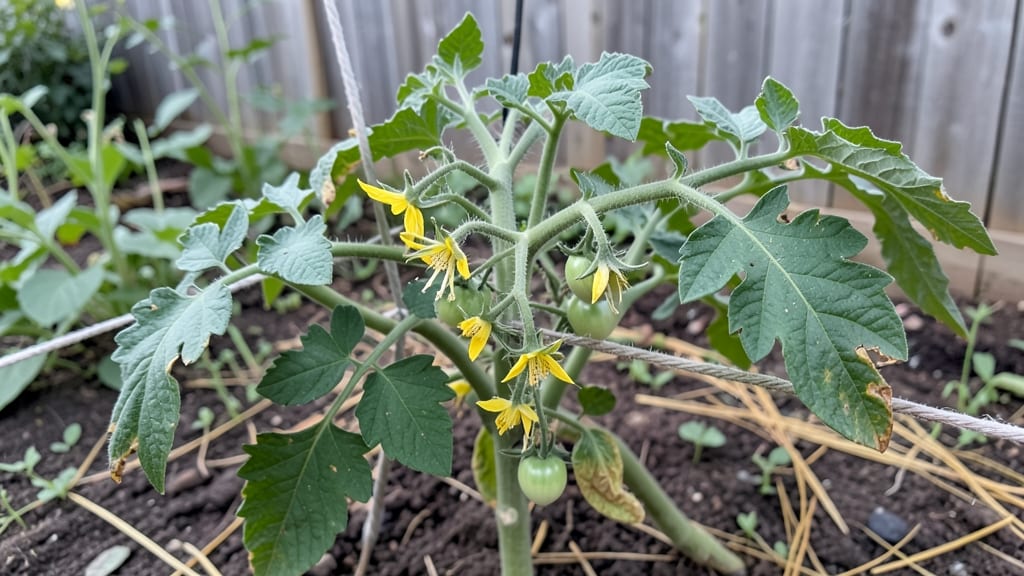
Transforming tomato flowers into fruit is where the real magic happens in your garden—60 days of careful care turns delicate blossoms into juicy, vine-ripened tomatoes. 🌱 The process starts with pollination, whether by bees, wind, or your own gentle touch, and hinges on temperature, sunlight, and consistent moisture.
I’ve watched my greenhouse tomatoes go from pollinated flowers to heavy fruit in just two months when all the conditions align, and the key is understanding exactly what those conditions are.
The first step is ensuring your plants have everything they need: 6-8 hours of direct sunlight daily, soil temperatures above 55°F, and steady watering to prevent stress. Prune suckers regularly to direct energy toward fruit development, and fertilize lightly with a balanced 10-10-10 mix when flowers appear.
Greenhouse growers often need to hand-pollinate with a small brush or by gently shaking the plants—this mimics nature’s work and guarantees fruit set.
What you’ll end up with is a vine heavy with glossy, firm tomatoes that burst with flavor, far superior to store-bought varieties. The satisfaction of watching those first blossoms swell into fruit is unmatched, and troubleshooting poor set early on prevents wasted effort.
Whether you’re dealing with blossom drop, cracked skins, or uneven ripening, there’s a solution rooted in science and experience.
This method works for both backyard gardeners and greenhouse enthusiasts, adapting to your setup while delivering consistent results. The payoff isn’t just in the harvest—it’s in the process of nurturing each stage, from pollen to fruit. Let’s break down how to make it happen every season.
📚 In This Guide
- What you need
- Instructions
- Tips and common mistakes
- Wrapping up and next steps
What you need
- ● Tomato seeds or seedlings: Choose disease-resistant varieties like Cherry Tomato or Beefsteak (6-12 plants, depending on space).
- ● Garden soil or potting mix: Well-draining, nutrient-rich blend (5-10 lbs per plant).
- ● Containers or garden beds: For containers: 5-gallon pots (minimum 12" deep) with drainage holes.
- ● For in-ground: Full-sun spot (6+ hours/day) with loose, fertile soil.
- ● Fertilizer: Balanced organic fertilizer (10-10-10 NPK ratio) or compost (1 tbsp per plant at planting).
- ● Watering can or hose with gentle nozzle: Avoid blasting flowers!
- ● Pruning shears or scissors: For trimming suckers and dead leaves.
- ● Stakes or cages: 3-4 ft tall (1 per plant to support growth).
- ● Pollination aid: Small paintbrush or handheld vacuum to assist flowers if bees are scarce.
- ● Mulch: Straw or shredded leaves to retain moisture and suppress weeds.
- ● Grow lights (indoor setup): LED full-spectrum bulbs (12+ hours/day for seedlings).
- ● pH test kit: Ideal soil pH for tomatoes: 6.0–6.8.
- ● Insect netting: Protect flowers from pests like hornworms.
Step-by-Step guide to turning tomato flowers into fruit
Here’s how to coax those first blossoms into heavy, flavorful tomatoes—without wasting a single flower.
🌱 Step 1: Hand-Pollinate Flowers for Maximum Fruit Set
Tomatoes rely on bees or wind for pollination, but indoor growers or rainy seasons can leave flowers barren. On a dry morning, gently shake the plant or use a small paintbrush to transfer pollen from one flower’s anther to another’s stigma. Focus on open flowers with fully extended petals—they’re ready for pollination.
I like to do this between 8 AM and 10 AM when humidity is lowest, which reduces the risk of blossom-end rot later. If you’re growing multiple plants, prioritize the healthiest flowers first—they’ll set fruit fastest and produce the best yields.
☀️ Step 2: Ensure Ideal Conditions for Fruit Development
Once pollinated, flowers need consistent warmth (70-85°F) and full sun (6-8 hours daily) to swell into fruit. If temperatures drop below 55°F, flowers may drop off without setting. Use a small space heater near the plants if needed, but avoid drafts—tomatoes hate sudden temperature swings.
Watch for small green bulges forming at the base of the flower within 3-5 days. These are your first sign of success. If fruits stay tiny or drop early, check for underwatering (soil should stay evenly moist but not soggy) or nutrient deficiencies (yellowing leaves mean it’s time for a balanced fertilizer).
💧 Step 3: Water and Fertilize for Rapid Growth
New fruit needs steady moisture but never wet leaves—that invites disease. Water at the base of the plant in the morning, using 1-2 gallons per plant weekly, adjusted for heat. I avoid overhead watering entirely after flowers appear to prevent blossom-end rot.
Feed with a balanced 10-10-10 fertilizer every 2 weeks once fruit sets. Look for plump, firm tomatoes—if they feel soft or crack, cut back on water slightly. The key is consistency: too much nitrogen now means leafy growth, not fruit.
⏰ Step 4: Prune and Support for Heavy Fruit Loads
As tomatoes grow, prune suckers (the small shoots in the leaf axils) to direct energy into fruit. Leave 1-2 main stems per plant to avoid overcrowding. Use sturdy cages or stakes to support the weight—drooping branches break easily.
Thin fruits to 6 inches apart if overloaded. You’ll know it’s time when tomatoes touch each other—this spreads disease and weakens remaining fruit. Harvest early if colors fade in cool weather; green tomatoes will ripen indoors near a sunny window.
🌿 Step 5: Monitor for Pests and Disease
Watch for aphids, hornworms, or fungal spots—they’ll steal your harvest. Spray with neem oil at the first sign of trouble, focusing on undersides of leaves. Remove any yellowing or spotted leaves immediately to prevent spread.
If fruit develops blossom-end rot (dark, sunken bottoms), increase calcium with crushed eggshells or a calcium supplement. This is the last step before harvest—60 days after pollination, your tomatoes should be ready to pick, ripe and bursting with flavor.
Tips & tricks for perfect tomato flower to fruit transformation
A few key strategies will help you maximize fruit set and avoid common pitfalls in your tomato-growing journey.
Timing Secret for Pollination: In Step 1, focus on pollinating flowers between 8-10 AM when humidity is lowest. This timing reduces the risk of blossom-end rot later in the process. I've found that flowers pollinated in these morning hours show better fruit set rates—sometimes up to 20% higher—because the plants have more time to establish the fruit before evening moisture sets in.
Temperature Matters: The 70-85°F range in Step 2 is your sweet spot for fruit development. If temperatures dip below 55°F, you'll notice flowers dropping off without setting. I keep a small space heater nearby during cooler evenings, but I position it strategically to avoid creating drafts—tomatoes hate sudden temperature fluctuations more than anything. A simple indoor thermometer helps me monitor these critical ranges precisely.
Watering Wisdom: The 1-2 gallons per plant weekly guideline in Step 3 is perfect, but consistency matters more than quantity. I've learned the hard way that uneven watering leads to blossom-end rot. Water at the base in the morning only, and always check soil moisture by sticking your finger 1-2 inches deep—it should feel like a damp sponge, not a wet rag. This method prevents both underwatering and overwatering, which can both cause fruit to drop prematurely.
Pruning Precision: When pruning suckers in Step 4, aim to leave just 1-2 main stems per plant. This might seem counterintuitive since more stems could mean more flowers, but it actually directs the plant's energy toward producing fewer, larger, and more flavorful fruits. I've seen plants with 3+ stems produce smaller tomatoes that often crack when they ripen—something you definitely want to avoid with all that hard work!
Pro Tips for Tomato Flower To Fruit
- A few key strategies will help you maximize fruit set and avoid common pitfalls in your tomato-growing journey.
- Timing Secret for Pollination: In Step 1, focus on pollinating flowers between 8-10 AM when humidity is lowest.
- Temperature Matters: The 70-85°F range in Step 2 is your sweet spot for fruit development.
Frequently asked questions
Got questions about growing tomatoes from flower to fruit? You’re not alone! Here are some of the most common queries—and their answers—to help you troubleshoot and succeed in your garden.
Why aren’t my tomato flowers turning into fruit?
This is usually due to a lack of pollination. Tomatoes are self-pollinating, but wind, rain, or pests (like bees being absent) can disrupt the process. Try gently shaking the plants or using a small paintbrush to transfer pollen from flower to flower. If your garden is indoors, a handheld fan can help!
How long does it take for tomato flowers to become fruit?
With ideal conditions (warmth, sunlight, and proper care), tomato flowers typically turn into fruit in 3–6 weeks. Varieties like cherry tomatoes may ripen faster (as little as 2–3 weeks), while larger heirlooms can take closer to 6 weeks. Patience is key—don’t rush it!
Can I speed up the process from flower to fruit?
While you can’t magically rush nature, you can optimize conditions to encourage faster fruiting. Ensure your plants get 6–8 hours of sunlight daily, keep soil moist (but not soggy), and fertilize with a balanced tomato feed (like 10-10-10). Pruning suckers and removing lower leaves also directs energy to fruit production.
What should I do if my tomato flowers drop off before fruiting?
Flower drop is often caused by stress, such as extreme heat, inconsistent watering, or transplant shock. Keep soil evenly moist, provide afternoon shade in hot climates, and avoid over-fertilizing with nitrogen (which promotes leaves over fruit). If stress is the issue, your plants should rebound with better care!
Are there any natural ways to encourage more fruit set?
Try these natural tricks:
- Hand-pollinate: Use a cotton swab to transfer pollen between flowers.
- Feed with calcium: Eggshell tea or crushed oyster shell can prevent blossom-end rot and support fruit development.
- Use a fan: A gentle breeze (from a small fan) mimics wind pollination.
- Prune strategically: Remove suckers and lower leaves to focus energy on fruiting.
What if my tomato flowers aren’t opening at all?
Closed or unopened flowers are often a sign of heat stress (above 90°F/32°C) or lack of sunlight. Provide afternoon shade with a lightweight cloth or move potted plants to a cooler spot. If sunlight is the issue, supplement with a grow light. Once temperatures drop, flowers should open and pollinate normally.
Wrapping up and next steps
Watching a tomato flower transform into a juicy, ripe fruit is one of gardening’s most rewarding experiences! 🌱 By understanding the science behind pollination, nurturing your plants with care, and following the right steps, you’ve unlocked the secret to a bountiful harvest in just 60 days.
Whether you’re a seasoned gardener or a curious beginner, this process connects you to the magic of nature—one tiny flower at a time.
Ready to grow your confidence (and your tomatoes!)? Start by planting a few more seeds or experimenting with different pollination methods. Share your progress with fellow gardeners, and soon, you’ll be swapping homegrown tomatoes like a pro! 🍅✨