Flowers
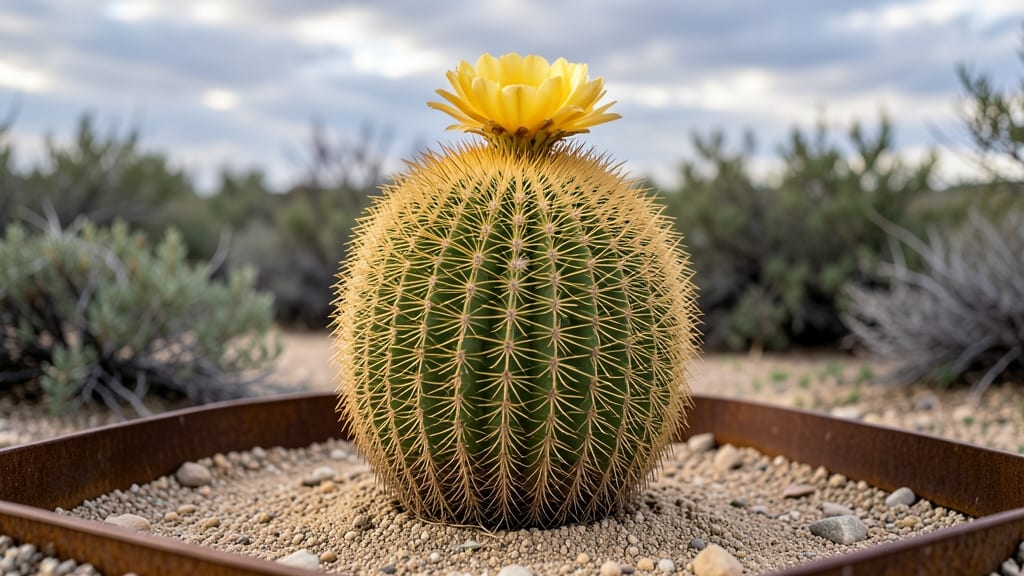
Creating a yellow flowering cactus that bursts into bloom feels like coaxing a desert sunset into your home. These striking plants—like Echinopsis or Notocactus—thrive in containers with minimal fuss, rewarding you with vibrant yellow blooms that last for days.
The secret lies in mimicking their natural arid environment while giving them just enough care to encourage flowering.
Start with well-draining cactus soil and a pot with drainage holes—no soggy roots here. Place your cactus in bright, indirect light (think south-facing window or grow lights) and water sparingly: only when the soil is completely dry.
During their dormant winter months, reduce watering to once a month, and you’ll trigger that magical bloom cycle. Patience is key—some varieties take 2-3 years to flower, but the wait is worth it.
📚 In This Guide
- What you need
- Instructions
- Tips and common mistakes
- Wrapping up and next steps
What you need
- ● Yellow flowering cactus plant: Choose a healthy Echinocactus grusonii (golden barrel cactus) or Echinocereus species (like Echinocereus dasyacanthus), preferably 3–6 inches in diameter.
- ● Well-draining cactus/succulent soil: 1–2 gallons (or enough to fill your container). Look for a mix labeled for cacti or amend regular potting soil with 50% perlite or pumice.
- ● Container: A pot with drainage holes, 1–2 inches larger in diameter than your cactus (e.g., 6–8 inches for a small plant). Terracotta or ceramic works best!
- ● Gravel or decorative rocks: Small pebbles or cactus-specific gravel (1–2 cups) for the bottom layer of the pot.
- ○ Gloves (optional but recommended): Cactus spines can be prickly—wear thin gardening gloves for safety!
- ● Trowel or spoon: For gentle soil handling (a plastic or metal spoon works in a pinch).
- ● Watering can with a narrow spout: Or a spray bottle for precise hydration.
- ○ Fertilizer (optional): A balanced, water-soluble fertilizer (e.g., 10-10-10) diluted to half-strength, or a cactus-specific fertilizer.
- ○ Sunlight monitor (optional): A light meter or app (like Planta) to track sunlight exposure if you’re unsure of your space.
- ● A sunny spot: Your cactus needs 6+ hours of direct sunlight daily. South-facing windows or a bright patio work best.
- ● Patience: Yellow blooms may take 2–5 years to appear, depending on the plant’s age and care!
- ● Knowledge of watering needs: Overwatering is the #1 killer—wait until the soil is completely dry before watering again.
Step-by-step guide for growing vibrant yellow-blooming cacti in containers
Here’s how to coax those stunning yellow flowers from your cactus—with minimal fuss and maximum impact.
🌱 Step 1: Select the Right Cactus Variety and Pot
Yellow-blooming cacti thrive in full sun and well-draining soil, so choose a variety like Echinocereus dasyacanthus (hedgehog cactus) or Lobivia species. These are proven performers for vibrant yellow blooms. Use a 6-inch diameter pot with drainage holes—terracotta works best because it breathes and prevents root rot.
Fill the bottom third of the pot with cactus/succulent mix (never regular potting soil—it holds too much moisture). Tap the pot gently to settle the mix without compacting it. The goal is air pockets for roots, not a dense, waterlogged base. If your mix feels heavy, add a handful of perlite to improve drainage.
☀️ Step 2: Position for Maximum Sunlight and Temperature Control
Yellow-flowering cacti need 6+ hours of direct sunlight daily—more is better, but avoid scorching midday sun in extreme heat. Place your pot on a south-facing windowsill or under a grow light if natural light is limited. You’ll know it’s getting enough light when the cactus develops a deep green hue and grows upright.
Keep temperatures between 70-95°F during the day and 55-65°F at night. If your home runs cooler, supplement with a heat mat in winter. Avoid drafts—cold snaps shock the plant and can cause buds to drop before opening. Watch for yellowing or wrinkled skin; these are signs of stress from temperature swings.
💧 Step 3: Water Sparingly and Fertilize Strategically
Water only when the top 2 inches of soil are completely dry—this usually means every 2-3 weeks in summer and once a month in winter. Overwatering is the #1 killer of cacti. Stick your finger into the soil; if it feels damp past the first knuckle, wait longer. When you do water, soak the pot until water runs out the drainage hole, then empty the saucer to prevent root rot.
Feed your cactus with a balanced, water-soluble fertilizer diluted to half-strength once a month during the growing season (spring and summer). Skip fertilizing in fall and winter—this mimics their natural dormancy period. You’ll see stronger growth and more robust blooms if you follow this schedule. If buds form but don’t open, it’s often a sign of too much water or low light.
⏰ Step 4: Encourage Blooming with Proper Light and Rest
To trigger yellow flowers, your cactus needs 12-14 hours of darkness for 6-8 weeks before the blooming season (usually late winter to early spring). Move the pot to a dark closet or cover it with a blackout box at night. This mimics the shorter days of fall, signaling the plant to prepare for flowering. You’ll notice buds forming after about 8 weeks of consistent darkness.
Once buds appear, keep the environment stable—no sudden temperature drops or moves. A slight increase in humidity (like a pebble tray with water nearby) can help buds open fully. If buds drop before flowering, it’s usually due to stress from overwatering or inconsistent light. Be patient; some cacti take 2-3 years to bloom reliably, but once they do, the yellow flowers are worth the wait.
Tips & tricks for perfect yellow flowering cacti
These essential insights will help you nurture your cactus into a vibrant, blooming beauty without the guesswork.
Pot Selection Matters: The 6-inch diameter terracotta pot recommended isn't just about size—it's about the material. Terracotta's porous nature helps regulate moisture levels, preventing both overwatering and dehydration. If you must use plastic, add an extra handful of perlite to compensate for its moisture-retaining properties. I've seen cacti thrive in terracotta that withered in plastic within months.
Light Quality Over Quantity: While 6+ hours of direct sunlight is crucial, the quality matters just as much. If your cactus develops a pale or stretched appearance, it's getting too much indirect light. For indoor growers, rotate the pot every few days to ensure even exposure. South-facing windows provide the best natural light spectrum, but supplement with a full-spectrum grow light if needed—especially during winter months when daylight hours shrink.
Temperature Stability is Key: Maintaining the 70-95°F daytime range and 55-65°F nighttime range requires more than just setting your thermostat. Place your cactus away from heating vents, air conditioning units, and drafty windows. I've noticed buds drop prematurely when cacti experience temperature swings greater than 10°F within 24 hours. A simple laser thermometer helps monitor microclimates in different rooms.
Watering Technique Revealed: The "top 2 inches dry" rule is your best friend, but here's what nobody tells you: water only when the soil feels completely dry to the touch at that depth. If you're unsure, use a moisture meter—it takes the guesswork out of watering. And remember, the saucer under your pot should always be empty after watering to prevent root rot. I've revived multiple cacti that were on the verge of rot simply by correcting this one habit.
Pro Tips for Yellow Flowering Cactus
- These essential insights will help you nurture your cactus into a vibrant, blooming beauty without the guesswork.
- Pot Selection Matters: The 6-inch diameter terracotta pot recommended isn't just about size—it's about the material. ...
- Light Quality Over Quantity: While 6+ hours of direct sunlight is crucial, the quality matters just as much. If your ...
Frequently asked questions
Got questions about growing and caring for your yellow flowering cactus? You’re not alone! Here are some of the most common queries—plus easy answers to keep those vibrant blooms thriving.
How do I encourage my yellow flowering cactus to bloom?
Yellow flowering cacti (like Echinopsis or Hylocereus varieties) need a few key triggers: 12+ hours of sunlight daily, cool nights (50–60°F) in late fall/winter, and a dormancy period (reduce watering). Skip the fertilizer in winter—it can delay blooms! Patience is key; some varieties take 2–3 years to flower.
When is the best time to plant a yellow flowering cactus?
Spring or early summer is ideal! Plant after the last frost when soil temps are above 60°F. Avoid transplanting in extreme heat or cold—roots need time to establish. If you’re potting, use a fast-draining mix (cactus soil + perlite) to prevent rot. Pro tip: Water lightly for 1–2 weeks post-planting to avoid shocking the roots.
How often should I water a yellow flowering cactus?
Water deeply but infrequently: every 2–3 weeks in summer and monthly in winter. Let the soil dry completely between waterings—overwatering is the #1 killer! Stick your finger 2 inches into the soil; if it’s damp, wait. Yellowing or wrinkled skin signals thirst, while mushy stems mean too much water. Drainage holes are a must!
Can yellow flowering cacti survive indoors? What’s the best setup?
Yes! Place them near a south-facing window (or use a grow light for 14+ hours/day). Ideal temps: 70–85°F during the day, 55–65°F at night. Avoid drafts (like AC vents) and humidifiers—cacti hate moisture on their skin. A terracotta pot helps wick away excess water. Rotate the pot weekly for even growth!
Why aren’t my yellow flowers lasting long, and how can I fix it?
Short-lived blooms often mean stress or poor conditions. Check for:
- Overwatering: Roots can’t absorb nutrients, causing flowers to drop.
- Lack of dormancy: Skip the winter rest period (cooler temps + less water).
- Nutrient deficiency: Feed with a low-nitrogen cactus fertilizer (like 5-10-10) in spring/summer.
- Pests: Spider mites or mealybugs sap energy—spray with neem oil if you spot them.
Deadhead spent blooms to redirect energy to new growth!
Wrapping up and next steps
Growing a yellow flowering cactus is a rewarding journey that brings a burst of sunshine to your space! 🌞 With the right care, patience, and these simple steps, you’ll enjoy vibrant blooms that turn heads.
Whether you’re a seasoned gardener or a beginner, this sun-loving plant is a fantastic addition to your indoor or outdoor containers.
Ready to take the next step? Start small—pick a healthy cactus, gather your supplies, and give it the love it deserves. Soon, you’ll be basking in the glow of those stunning yellow flowers! 🌸