Vegetables
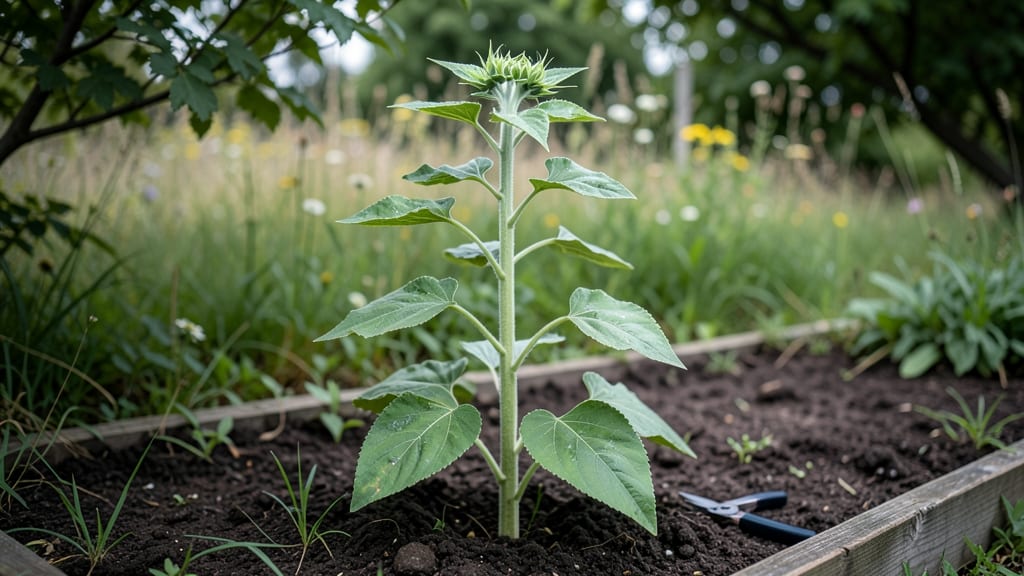
Young sunflower leaves are the secret ingredient you didn’t know you needed—packed with nutrients and ready to harvest long before those towering blooms appear. 🌱 I’ve learned the hard way that treating them like delicate greens makes all the difference, from spacing to watering.
Start by planting seeds 12 inches apart in full sun, keeping soil consistently moist but not soggy. The first set of leaves emerges within 7-10 days, and they’re ready to pick when they reach 4-6 inches tall.
Snip the lower leaves first to encourage bushier growth, and avoid overwatering—they wilt faster than you’d think.
📚 In This Guide
- What you need
- Instructions
- Tips and common mistakes
- Wrapping up and next steps
What you need
- ● Young sunflower plants: Choose varieties like Helianthus annuus (e.g., 'Mammoth' or 'Autumn Beauty') with leaves no larger than 4–6 inches wide (harvest before they toughen up!). Aim for 3–5 plants for a small batch.
- ● Pruning shears or sharp kitchen scissors: 1 pair (sterilized with rubbing alcohol to prevent disease).
- ● Clean cutting board or tray: Large enough to hold 1–2 pounds of harvested leaves.
- ○ Organic spray bottle (optional): Filled with 1 part water + 1 part vinegar to disinfect tools between cuts.
- ● Colander: Stainless steel, 8–10 inches wide, for rinsing.
- ● Paper towels or clean kitchen towels: 2–3 sheets for drying.
- ● Air-tight container: 1 quart-sized with a lid (glass or BPA-free plastic) for storage.
- ○ Food processor or sharp knife: Optional for chopping (if prepping for cooking).
- ● 💡 Harvest timing: Pick leaves in the morning after dew dries but before the sun peaks (10 AM or earlier).
- ○ ✨ Gloves (optional): Lightweight gardening gloves if sunflowers have thorns or rough stems.
- ● 🌡️ Temperature check: Work in cool (60–75°F) conditions to preserve tenderness.
How to harvest young sunflower leaves for delicate, nutrient-rich greens
Here's my foolproof method for harvesting sunflower leaves at their peak tenderness.
🌱 Step 1: Identify the Right Plants and Growth Stage
Choose sunflower varieties known for edible leaves like Mammoth or Russian Giant—these produce the most tender foliage. Harvest when plants are 4-6 inches tall and still in their early vegetative stage, before flowering begins. Look for bright green, slightly fuzzy leaves with no yellowing or browning at the edges. These leaves contain the highest levels of vitamins A and C.
Here's the thing—young sunflower leaves have a slightly bitter taste when fully mature. The key is to harvest them when they're 3-4 inches long, just after the first true leaves appear but before the plant puts energy into stem elongation. I always check the undersides of leaves for any signs of pest activity before harvesting—aphids or spider mites can make the leaves unpalatable.
✂️ Step 2: Use Proper Harvesting Techniques
Use clean, sharp scissors or pruning shears to make clean cuts just above a leaf node. Never tear leaves by hand—this damages the plant and makes future harvests less productive. Start with the outermost leaves first, working inward toward the center. This encourages bushier growth and prevents the plant from becoming leggy.
I harvest no more than one-third of the foliage at a time to maintain plant health. For a single sunflower plant, this means taking 2-3 leaves per harvest session. Space harvests 7-10 days apart to allow new growth. Watch for new leaves emerging from the center—these are your signal that the plant is recovering well between harvests.
💧 Step 3: Post-Harvest Care for Continued Growth
After harvesting, water the base of the plant deeply to 1 inch of soil depth. Sunflowers are surprisingly drought-tolerant once established, but young plants need consistent moisture to recover after leaf removal. I always water in the early morning to allow excess moisture to evaporate before evening, which prevents fungal issues.
Here's what I do next: I add a light application of compost tea around the base to replenish nutrients. The reason is simple—harvesting removes some of the plant's stored energy, and this gives it a quick nutrient boost. Avoid heavy fertilizers immediately after harvest, as they can burn tender new growth. Within 3-5 days, you'll see new shoots emerging from the center of the plant.
☀️ Step 4: Maintain Optimal Growing Conditions
Sunflowers need full sun (6-8 hours daily) to produce tender leaves. If your plants start looking leggy or pale, they're not getting enough light. Move them to a sunnier spot immediately—you'll see leaves perk up within 24-48 hours. I've found that morning sun is particularly beneficial for sunflowers, as it helps prevent mildew that can develop from evening moisture.
Keep the soil around sunflowers lightly moist but never soggy. Stick your finger 1 inch into the soil—if it feels dry, it's time to water. Overwatering leads to yellowing leaves and stunted growth. Mulch with 1-2 inches of straw around the base to retain moisture and regulate soil temperature. This simple step can double your harvest yield by keeping roots cool and preventing soil-borne diseases.
Tips & tricks for perfect young sunflower leaf harvests
Here's what nobody tells you about getting the most tender, nutrient-packed greens from your sunflower plants.
Plant Selection: Not all sunflowers are created equal for leaf harvesting. Russian Giant and Mammoth varieties are your best bets—they produce the largest, most tender leaves. I've found that the first true leaves (those appearing after the initial seed leaves) are the sweetest and least bitter. These are the ones you want to target for your harvests, typically when they reach 3-4 inches in length. Confession: I skipped this step for years and wondered why my leaves always tasted bitter!
Harvesting Technique: The way you cut makes all the difference. Always use clean, sharp scissors to snip just above a leaf node—this prevents damage to the plant's growth points. I learned this the hard way after tearing leaves and watching my plants struggle to recover. Start with the outermost leaves first; this encourages bushier growth and prevents the plant from becoming leggy. Remember, you're only harvesting one-third of the foliage at a time to maintain plant health.
Post-Harvest Recovery: After harvesting, give your plants a deep watering to 1 inch of soil depth—this helps them recover faster. I've found that adding a light application of compost tea around the base provides essential nutrients that harvesting removes. The key here is timing: apply it immediately after harvest, but avoid heavy fertilizers that can burn tender new growth. You'll notice new shoots emerging within 3-5 days—this is your plant telling you it's ready for another harvest.
Light Management: Sunflowers need 6-8 hours of full sun daily to produce tender leaves. If your plants start looking leggy or pale, they're not getting enough light. Move them to a sunnier spot immediately—you'll see leaves perk up within 24-48 hours. Morning sun is particularly beneficial as it helps prevent mildew that can develop from evening moisture. Trust me on this: proper light exposure is the single most important factor for tender leaves.
Pro Tips for Sunflower Leaves Young
- Here's what nobody tells you about getting the most tender, nutrient-packed greens from your sunflower plants.
- Plant Selection: Not all sunflowers are created equal for leaf harvesting. Russian Giant and Mammoth varieties are yo...
- Harvesting Technique: The way you cut makes all the difference. Always use clean, sharp scissors to snip just above a...
Frequently asked questions
Got questions about harvesting young sunflower leaves? You’re not alone—these tender greens are packed with flavor and nutrients, but they require a little know-how! Here are some of the most common questions (and answers) to help you grow and harvest like a pro.
When is the best time to harvest young sunflower leaves?
Harvest sunflower leaves when they’re still tender and no larger than 6–8 inches long. This usually happens 4–6 weeks after planting, before the plant puts energy into flowering. For continuous harvests, pick the youngest leaves first and leave older ones to keep producing.
Can I eat sunflower leaves if they’re bitter?
Yes, but with a caveat! Young leaves are mild and sweet, but older leaves can taste bitter due to higher tannin levels. If bitterness is an issue, harvest only the youngest, most tender leaves (the top 4–6 inches) or blanch them before cooking to mellow the flavor.
How do I harvest sunflower leaves without damaging the plant?
Use clean, sharp scissors or pruning shears to snip leaves just above a leaf node (where new growth emerges). Avoid tearing leaves—this can stress the plant. Never remove more than 1/3 of the foliage at once to ensure the plant keeps growing for future harvests.
What’s the difference between sunflower leaves and sunflower sprouts?
Sunflower leaves are the broad, green foliage harvested when young (like chard or spinach). Sunflower sprouts are the edible seed shoots grown indoors (like bean sprouts). Leaves are heartier and better for cooking, while sprouts are crunchy and best raw in salads.
How should I store harvested sunflower leaves?
Store leaves in a perforated plastic bag in the fridge for 3–5 days. For longer storage, blanch them (dip in boiling water for 30 seconds, then ice bath) and freeze in airtight containers. Don’t wash until ready to use—excess moisture speeds up spoilage!
Wrapping up and next steps
Harvesting young sunflower leaves is a rewarding way to enjoy nutrient-rich, tender greens with minimal effort! Whether you're growing them in your garden or foraging wild varieties, timing and technique are key to unlocking their full potential.
Remember, consistency and care ensure a steady supply of delicious, healthy greens—perfect for salads, sautés, or even tea.
Ready to elevate your harvest? Start by experimenting with a few sunflower plants, and soon you’ll be enjoying their vibrant, earthy flavor. Try it this season! 🌱