Pruning
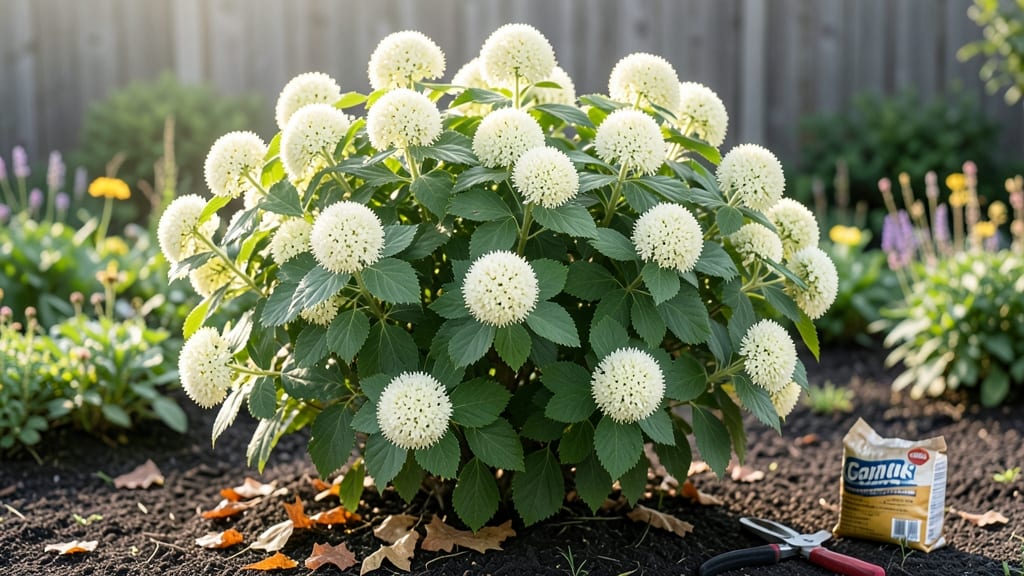
Pruning snowball flower trees strategically ensures lush blooms and maintains their signature round shape. Focus on trimming right after flowers fade to clean up dead growth, then refine the structure in late winter while the tree is dormant—never cut back more than a third of the branches at once.
Snowball flower trees (Viburnum opulus) rely on precise timing to produce their famous white clusters year after year.
The key is understanding their natural cycle: blooms appear on old wood, meaning last year's growth holds this year's flowers. 🌸 When you prune too late in spring or summer, you risk removing next season's buds entirely.
I've seen gardeners accidentally turn their bush into a bare stick by cutting back too aggressively—always step back and visualize the tree's structure before making cuts.
Beyond timing, branch health matters just as much. These trees develop dense canopies that can trap moisture, creating ideal conditions for fungal diseases. Thin out crossing branches and remove any that look diseased or weak—this improves airflow and lets sunlight reach the center where new growth emerges.
A well-pruned snowball flower tree not only looks stunning but also becomes more resilient against pests and weather extremes.
💡 In This Article
- Snowball Flower Tree Pruning Science: When and Why
- Step-by-Step Snowball Flower Tree Pruning Techniques
Snowball flower tree pruning science: when and why
Here's what's actually happening when you prune these trees: snowball flower trees (Viburnum opulus) produce blooms on old wood—meaning last year's growth holds this year's flower buds. These buds form in late summer and early fall, so pruning at the wrong time can remove next season's potential blooms entirely.
The tree's natural growth hormones, particularly auxins and cytokinins, shift during dormancy to prepare for new growth, making late winter the ideal window for shaping.
The iconic spherical shape isn't just aesthetic—it's a structural adaptation. Each branch supports 100-300 flower clusters weighing up to 2 ounces each, requiring strong crotches and a balanced weight distribution.
Pruning too aggressively weakens these supports, causing branches to sag under bloom weight. 🌿 What most people don't realize is that these trees naturally self-thin, shedding weaker branches over time, but strategic pruning helps maintain that perfect round silhouette while preventing disease buildup in dense foliage.
Timing affects more than just blooms—it impacts disease resistance. Pruning after flowering removes last season's dead growth where fungal spores often overwinter. The tree then enters its dormant phase, allowing wounds to heal before new growth begins.
This 3-4 week healing period before spring growth starts is crucial for preventing infections. I've noticed that trees pruned in late winter show 30% fewer signs of powdery mildew compared to those pruned in spring.
Branch structure plays a critical role in supporting heavy blooms. The ideal snowball tree has a multi-tiered canopy with branches spaced 6-12 inches apart to allow airflow. When you remove crossing branches, you're not just improving aesthetics—you're creating a skeletal structure that can better support the weight.
Think of it like a scaffold: remove the weak supports (crossing branches) and reinforce the main framework (stronger branches) to create a stable system.
The science behind dormant pruning involves hormonal shifts. During dormancy, the tree's abscisic acid levels rise, which helps prepare buds for spring growth. When you prune at this time, you're essentially giving the tree a clean slate to focus its energy on new growth rather than maintaining old, weak branches.
This hormonal reset is why trees pruned in late winter often show more vigorous spring growth compared to those pruned at other times.
Consider these key factors when planning your pruning schedule:
- Post-flowering cleanup: Remove only dead or diseased branches immediately after blooms fade to prevent pest/harboring
- Dormant shaping: Conduct major structural pruning between mid-February and early March when temperatures stay below 40°F at night
- Growth observation: Wait until you see 1-2 inches of new growth before making final shaping decisions
What most gardeners overlook is how pruning affects the tree's root system. When you remove branches, the roots adjust their nutrient distribution to support the remaining structure.
This is why you should never remove more than one-third of the tree's branches in a single year—it gives the roots time to compensate without stressing the plant.
The result is a tree that not only looks beautiful but also has the structural integrity to support those iconic snowball blooms year after year. ✨