Pruning
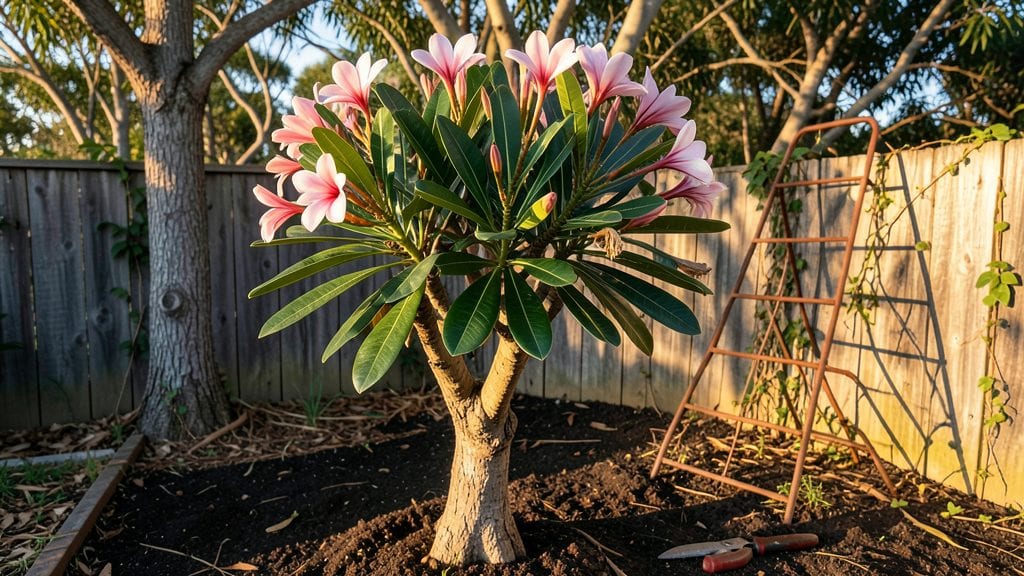
Your garden just got a fragrant spring showstopper—a smelly flowering tree that turns your yard into a pollinator paradise. 🌿 I planted a Frangipani last year, and now my patio smells like tropical vacations every evening.
The sweet, intoxicating scent isn’t just lovely—it draws bees, butterflies, and hummingbirds like nothing else.
These trees thrive in warm climates but adapt surprisingly well to containers if you live in cooler zones. A Jacaranda’s lavender blooms or a Plumeria’s creamy flowers will make your space unforgettable.
Just place them near seating areas or walkways to maximize the sensory experience—imagine strolling past a cloud of blossoms at dusk.
You’ll love how they transform ordinary spaces into fragrant retreats. The right spot means stronger scent diffusion, and their striking shapes add year-round structure. Even pruning becomes a joy when you’re rewarded with more blooms and that signature aroma.
Perfect for pollinator gardens, small urban yards, or as a focal point in larger landscapes. Let’s pick the right tree for your climate and design style!
The Science Behind Unwanted Odors
If your flowering tree is releasing a scent that’s more pungent than pleasant—think garlic, rotten eggs, or even sewage—don’t panic. These aromas aren’t just random; they’re often a deliberate survival strategy or a sign of underlying biological processes.
Below, we break down the key reasons why some flowering trees emit strong, sometimes foul-smelling fragrances, and what’s really going on under the bark.
Some of the most intensely scented flowering trees rely on night-flying pollinators like moths, beetles, or even bats. These creatures are drawn to volatile organic compounds (VOCs) that mimic the smell of decaying matter—like rotting meat or fermenting fruit. Why?
- Evolutionary trickery: Trees that bloom at night (e.g., Titan arum, also known as the "corpse flower," or Amorphophallus species) produce sulfur-rich compounds that smell like sulfur springs or gym socks. These odors mimic the scent of carrion, tricking pollinators into investigating—and in the process, spreading pollen.
- Biological deception: The tree isn’t actually rotting; it’s chemically signaling to pollinators that a "meal" is available. This is called sapromyiophily (from Greek words meaning "love of carrion flies").
- Actionable insight: If your tree’s scent is strongest at dusk or night, it’s likely using this tactic. Embrace it! These trees are essential for nocturnal pollinators and can boost biodiversity in your garden.
💡 Pro Tip: If you’re growing a smelly night-bloomer, plant it near a water source or a dark corner of your garden. Pollinators will thank you—and your neighbors might not!
Not all strong smells are about romance (or deception). Some flowering trees release chemical defenses to ward off pests, pathogens, or even competing plants. These odors can range from skunk-like to medicinal, and they’re often a sign of the tree’s immune system kicking into gear.
- Herbivore deterrents: Trees like the Osage orange (Maclura pomifera) produce limonoids, bitter compounds that smell unpleasant to insects. When chewed, these chemicals release a garlic-like sulfur odor that repels herbivores.
- Fungal and bacterial resistance: Some trees emit volatile terpenes (like those in citrus or pine) that create an antimicrobial shield. For example, the Sweet Bay Magnolia (Magnolia virginiana) releases a spicy, camphor-like scent when stressed, which can inhibit fungal spores.
- Alleopathy: Certain trees (e.g., Black Walnut, Juglans nigra) release juglone, a toxin that smells like bitter almonds and suppresses growth of nearby plants. This isn’t just smelly—it’s a competitive survival tactic.
- Actionable insight: If your tree’s odor is sharp, medicinal, or skunky, it’s likely using these defenses. Prune carefully to avoid damaging the tree, as stress can amplify these scents.
⚠️ Warning: Some of these compounds (like juglone) can be toxic to other plants. If you notice wilting in nearby vegetation, your tree might be "chemical warfare-ing" its neighbors!
Sometimes, a flowering tree’s stink isn’t part of its design—it’s a distress signal. Environmental factors like drought, poor soil, or disease can cause trees to release unusual VOCs as a last-ditch effort to survive or attract help (like predators of pests).
| Stress Factor | Resulting Odor | What It Means |
|---|---|---|
| Root rot or fungal infection (e.g., Phytophthora) | Rotten egg (hydrogen sulfide) or wet dog | The tree is anaerobic—its roots are drowning in waterlogged soil, producing sulfur compounds as a byproduct of decay. |
| Pest infestation (e.g., borers, scale insects) | Fermented fruit or rancid oil | The tree is releasing alarm pheromones to attract predators of the pests (like ladybugs or parasitic wasps). |
| Extreme drought or heat stress | Burnt sugar or plastic-like | The tree is producing ethylene, a stress hormone that can cause volatile terpenes to evaporate, creating a chemical "scream for water". |
💡 Pro Tip: If the smell is new, worsening, or accompanied by wilting, yellowing leaves, or oozing sap, your tree is crying for help. Check the roots for rot, inspect for pests, and adjust watering practices immediately.
Believe it or not, the ground beneath your tree might be the real culprit. Some flowering trees thrive in symbiotic relationships with soil microbes that produce strong odors as a byproduct of breaking down organic matter.
- Nitrogen-fixing bacteria: Trees like Albizia (Silk Tree) host rhizobia bacteria in their roots, which release ammonia-like or urine-like smells as they convert nitrogen into plant-usable forms.
- Mycorrhizal fungi: Some fungi (e.g., Armillaria) emit a mushroomy or earthy odor when decomposing organic matter near tree roots. While usually harmless, a sudden, strong funk could signal overactive fungal growth.
- Actionable insight: If the smell is earthy, mushroomy, or ammonia-like, it’s likely a soil microbe party. Improve drainage, mulch properly, and avoid over-fertilizing to keep the microbial balance healthy.
🔥 Hot Tip: A light compost tea applied to the soil can boost beneficial microbes while reducing harmful ones—just don’t overdo it, or you’ll end up with a fermentation factory!
Taming the Odor: Practical Fixes
If your once-charming flowering tree has turned into a stinky springtime nuisance, don’t despair—there are actionable ways to restore its appeal (and your sanity). The key is identifying the root cause and applying targeted solutions.
Below, we break down the most common culprits and how to address them, from quick fixes to long-term prevention.
When flowers overstay their welcome, they rot, releasing foul odors that linger like a bad perfume. This is especially common in trees like Osage orange or plumeria, where fallen blossoms pile up in wet conditions.
How to Fix It: 🔥 🍳 Prune Aggressively (But Strategically)
Use sterilized pruning shears to remove dead, rotting flowers and branches.
Cut just above a healthy bud or lateral branch to encourage regrowth. - When to prune: Early spring (before blooming) or right after flowering season to prevent buildup.
👨🍳 🥘 Clear Debris Immediately
- Rake up fallen petals and debris weekly during peak bloom. A tarp under the tree makes cleanup easier.
- Pro tip: 💡 If the smell persists, check for fungal infections (like powdery mildew) and treat with a copper fungicide or neem oil spray.
🌡️ 🎯 Improve Airflow & Drainage
- Thin out dense branches to allow sunlight and air circulation.
- If your tree is in a low-lying area, consider raising the soil level or installing a French drain to prevent waterlogging.
Some flowering trees (like catalpa or black locust) attract way too many bees, wasps, or even maggots, creating a biohazard-level stench. The more critters, the more waste—and the worse the smell.
How to Fix It:
⏰ 🔪 Adjust Pruning Timing
- Prune before the main bloom to reduce the number of flowers, which means fewer pollinators (and less waste).
- Avoid pruning in late summer/fall—this encourages new growth that will bloom heavily next season.
🎯 🌿 Install Pollinator Deterrents (Gently)
- Bee hotels or native wildflower patches 20+ feet away can lure pollinators elsewhere.
- Pheromone traps (for wasps) or citrus peels (to repel flies) can help without harming beneficial insects.
💡 🔥 Use Natural Repellents
- Spray garlic or chili pepper spray (mixed with water and dish soap) around the base to discourage pests.
- Neem oil (applied every 2 weeks) deters maggots and other larvae without killing bees.
Waterlogged roots and soggy soil create the perfect breeding ground for anaerobic bacteria, which release rotten egg or sewage-like odors. This is common in willow trees or cherry blossoms planted in clay-heavy soil.
How to Fix It: 🔥 🌡️ Test & Improve Soil Drainage
Do a percolation test: Dig a 12-inch hole, fill it with water, and time how long it drains.
If it takes more than 4 hours, your soil is too compacted. - Amend the soil with: - Compost (25% of the top 12 inches) - Sand or perlite (for heavy clay) - Organic matter (like leaf mold)
👨🍳 🥘 Install Drainage Solutions
- French drains or swales (shallow trenches) can redirect water away from the roots.
- Raised beds (if replanting) ensure roots stay dry.
✨ 🎯 Choose the Right Tree for Your Climate
- If drainage is a recurring issue, opt for drought-tolerant trees like desert willow or Texas mountain laurel instead of moisture-lovers like weeping willow.
Sometimes, the stench isn’t from the flowers—it’s from insect larvae, beetles, or even termites feasting on your tree. Osage orange and crepe myrtle are notorious for attracting sawfly larvae, which smell like rotting meat.
How to Fix It:
🔪 🍳 Manual Removal (For Small Infestations)
- Handpick larvae (wear gloves!) and drop them in soapy water.
- Vacuum them up with a shop vac if the tree is small.
🌡️ 🎯 Chemical & Organic Treatments
- Bt (Bacillus thuringiensis) spray kills larvae without harming bees.
- Insecticidal soap or horticultural oil works for soft-bodied pests.
- For termites: Use borate treatments or call a pest control pro.
💡 🔥 Prevent Future Infestations
- Mulch properly (2-4 inches of wood chips, keeping it 6 inches from the trunk).
- Avoid over-fertilizing with nitrogen—it attracts pests.
Once you’ve tackled the immediate stink, proactive care ensures your tree stays fragrant and healthy.
📊 Maintenance Checklist:
✅ Prune 2-3 times a year (late winter, post-bloom, and light shaping in summer). ✅ Water deeply but infrequently—most flowering trees hate soggy roots. ✅ Fertilize with balanced, slow-release granules (avoid high-nitrogen). ✅ Monitor for pests weekly during bloom season. ✅ Mulch annually to retain moisture and suppress weeds.
Final Thought: A smelly flowering tree doesn’t mean you have to rip it out—just adjust care, improve conditions, and stay vigilant. With the right fixes, your tree can go from stink bomb to springtime superstar in no time! 🌸🌿
Frequently asked questions
Are there any fragrant flowering trees that actually smell pleasant?
Trees like Frangipani (Plumeria) and Jacaranda release sweet, tropical scents that perfume the air. For night-bloomers, Queen of the Night (Selenicereus grandiflorus) emits a heavenly jasmine fragrance after dark. These varieties are perfect for creating sensory gardens where you can relax and enjoy their natural aromas.
Why do some flowering trees smell bad instead of nice?
Many trees use strong odors as an evolutionary trick to attract night pollinators like moths or beetles. For example, the Titan arum (corpse flower) mimics rotting meat to lure flies. Others release defensive chemicals when stressed, like the skunky smell from Osage orange trees under attack. These scents aren't always bad—they're just nature's way of communicating!
Can I plant a fragrant tree in a small urban yard?
Yes! Dwarf varieties like Dwarf Plumeria or Miniature Jacaranda thrive in containers (15+ gallon pots) and still produce beautiful blooms. Place them near patios or windows to maximize fragrance while saving space. Just ensure they get at least 6 hours of sunlight daily and well-draining soil.
How do I keep my fragrant tree from attracting too many bees?
Plant bee-friendly alternatives 20+ feet away to redirect pollinators, and prune lightly before blooming season to reduce flower volume. For stubborn pests, try neem oil sprays (safe for bees) or install a small water feature nearby—they'll prefer that over your tree's flowers!
Will a fragrant tree really improve my garden's value?
Trees like Magnolia or Cherry Blossom add curb appeal and can increase property value by up to 10% in well-maintained landscapes. Their fragrance also creates a memorable sensory experience that makes your outdoor space feel like a luxury retreat. Just choose varieties suited to your climate!