
Flowers
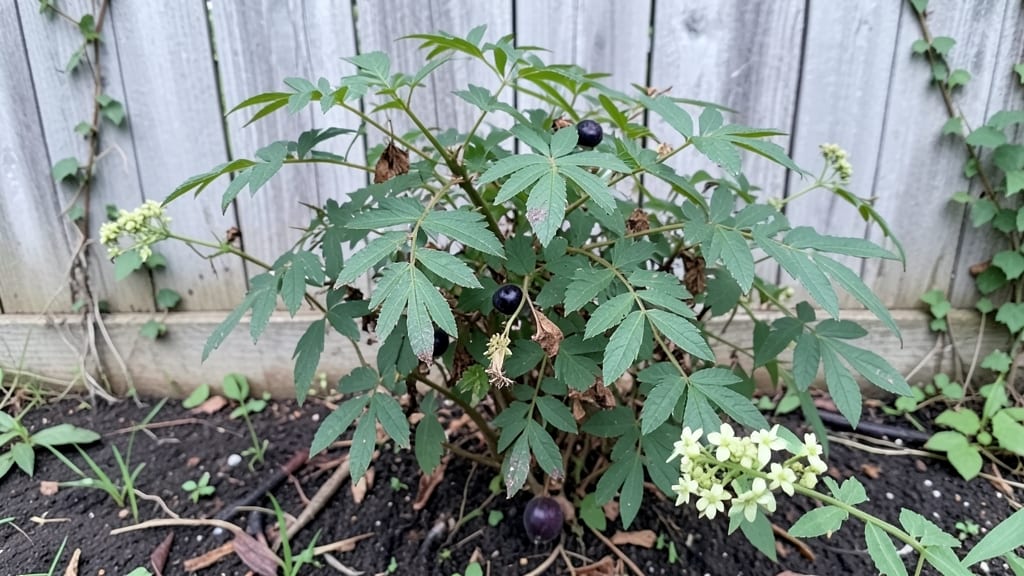
Growing Sichuan pepper flowers means adding a spicy, aromatic plant to your garden that delivers both striking blooms and culinary treasure. 🌿 The delicate white flowers give way to red berries that become the famous peppercorns—packed with that signature tingling heat.
I’ve grown mine for years, and the key to success lies in mimicking its native woodland conditions while keeping it happy in containers or garden beds.
This plant thrives in partial shade to full sun, making it perfect for understory spots or containers near patios. Well-draining soil is non-negotiable—too much moisture rots the roots, while dry conditions stress the plant.
A 5-gallon pot works well for container growing, and regular pruning after flowering keeps it compact. The real magic happens in late spring when those fragrant white flowers appear, signaling the start of your peppercorn harvest.
You’ll love the way it transforms from a lush green shrub to a flowering powerhouse, then back again as the berries ripen. The peppercorns add unmatched heat and aroma to dishes, and the plant itself stays relatively pest-free if kept in the right conditions.
Just watch for powdery mildew in humid summers—pruning for airflow helps prevent it.
Whether you’re growing for the bold flavor or the ornamental value, this plant delivers year-round interest. Start with a cutting or young plant, and in just a few seasons, you’ll have your own source of Sichuan peppercorns—plus a garden centerpiece that’s as useful as it is beautiful.
📚 In This Guide
- What you need
- Instructions
- Tips and common mistakes
- Wrapping up and next steps
What you need
- ● Sichuan pepper plant: 1–2 young plants (3–6 inches tall) from a nursery or online spice plant supplier (ensure they’re labeled as "Zanthoxylum schinifolium" or "Sichuan peppercorn tree").
- ● OR seeds (soak overnight for faster germination, but expect slower growth).
- ● Well-draining potting mix: 1–2 bags (1–2 cubic feet) of cactus/succulent mix or a blend of 60% potting soil + 30% perlite + 10% sand.
- ● Containers: 1–2 pots (10–12 inches in diameter) with drainage holes (terracotta or fabric pots work best).
- ○ Optional: Raised garden bed (if growing outdoors in warm climates).
- ● Fertilizer: 1 bottle of balanced liquid fertilizer (10-10-10 or 20-20-20) (dilute to half-strength for young plants).
- ● Pruning shears: 1 pair (sterilized with rubbing alcohol).
- ○ Mulch (optional but helpful): 1 bag of pine bark fines or straw to retain moisture.
- ● Climate: USDA Zones 7–11 (or indoors year-round with grow lights).
- ● Sunlight: 6+ hours of direct sunlight daily (south-facing window or full sun outdoors).
- ● Temperature: Prefers 65–85°F; avoid drafts or temps below 40°F.
- ● Humidity: Moderate to high (mist leaves occasionally if air is dry).
- ● Watering: Let soil dry 50% between waterings (overwatering kills roots!).
- ● 🌱 Start small: If using seeds, germinate in a warm, humid propagator or sealed plastic bag.
- ● 🔥 Slow and steady: Sichuan pepper grows slowly—be patient! Blooms may take 2–3 years.
- ● ✨ Harvest hints: Flowers are edible (use sparingly for a citrusy-spicy kick), and peppercorns ripen in fall.
Step-by-step instructions for growing Sichuan pepper flower
Here’s how to cultivate this aromatic wonder—where bold foliage meets fragrant blooms.
🌱 Step 1: Select the Right Location and Prepare Soil
Sichuan pepper flower thrives in partial shade to full sun, but direct afternoon rays can scorch its delicate leaves. I choose a spot with morning sun and afternoon dappled light—think under a high-canopy tree or a sheltered patio. The soil must drain like a sieve; amending with 1 part perlite to 3 parts potting mix prevents root rot, which this plant despises.
Test your soil’s pH—aim for 6.0 to 6.5. If your yard soil is heavy clay, skip it entirely and plant in containers. The roots are shallow but sensitive; a 12-inch-deep hole filled with loose, airy mix ensures they spread without suffocating. Mulch with 2 inches of pine needles or shredded bark to mimic its native acidic forest floor.
🪴 Step 2: Plant and Water for Initial Establishment
Dig a hole twice as wide as the root ball but only as deep as the container’s base. Gently tease apart any circling roots—this prevents girdling as the plant matures. Place the Sichuan pepper flower in the hole, backfill with native soil mixed with 1 cup of compost, and press firmly around the edges. The crown should sit just below soil level to avoid rot.
Water deeply right after planting until moisture seeps 6 inches down. You’ll know it’s enough when the soil feels damp like a wrung-out sponge. After that, let the top 2 inches dry out before watering again—overzealous care leads to yellowing leaves. This plant is drought-tolerant once established, but young roots need consistency.
☀️ Step 3: Prune for Shape and Encourage Blooms
Prune in early spring before new growth starts. Cut back one-third of the oldest stems to the ground—this rejuvenates the plant and prevents legginess. For container-grown plants, pinch back tips of new shoots when they reach 4 inches to trigger bushier growth. I avoid heavy pruning in fall, as the plant needs its foliage to photosynthesize for winter hardiness.
Watch for small white flowers in late spring—these develop into the iconic red berries. If you’re growing for spice, leave some berries on the plant; if you prefer foliage, remove them to redirect energy. Deadhead spent blooms weekly to encourage a second flush of flowers by summer’s end. This plant blooms year-round in warm climates, but cooler zones get a fall-to-spring show.
✂️ Step 4: Harvest and Overwinter Strategically
Harvest berries when they turn bright red—this is peak spice intensity. Gently twist them off the stems (no cutting) to avoid damaging the plant. For foliage, snip individual leaves as needed, but avoid taking more than one-third of the plant at once. The spicy aroma intensifies when dried, so I spread fresh berries on a screen in a warm, dry place for 2 weeks before storing.
In USDA Zones 7-9, Sichuan pepper flower is evergreen and needs no winter care beyond light mulching. Colder zones (6 and below) require container growing—bring pots indoors before the first frost and place near a south-facing window. Reduce watering to every 3-4 weeks during dormancy, and resume normal care in spring when new growth appears.
Tips & tricks for perfect Sichuan pepper flower cultivation
Mastering the Sichuan pepper flower's quirks transforms it from a finicky plant to a thriving spice garden staple. Here's what I've learned after years of growing this aromatic beauty.
Location Intelligence: The morning sun and afternoon shade balance is non-negotiable for this tropical native. I've found that even a few hours of direct afternoon sun can cause leaf scorch—look for spots with natural afternoon shade from trees or structures. For container growing, position your pots where they'll receive morning light and afternoon shade, rotating them weekly to ensure even growth. This plant's delicate foliage can't handle harsh afternoon rays, even in cooler climates.
Soil Science: The 1:3 perlite-to-potting-mix ratio is your foundation, but don't stop there. I always add a handful of worm castings to the planting hole—they introduce beneficial microbes that help the plant's shallow roots establish quickly. For container growers, mix in some orchid bark for additional aeration. The key is creating a sponge-like medium that holds moisture without suffocating roots, especially important during that critical first year when roots are developing.
Watering Wisdom: The "wrung-out sponge" test is your best friend. After the initial deep watering, let the top 2 inches dry completely before watering again—this prevents the root rot that's this plant's Achilles' heel. I've found that using a moisture meter in the early stages helps avoid both underwatering and overwatering. Once established, this plant's drought tolerance becomes apparent, but young plants need consistent moisture to develop their extensive shallow root system. For container plants, I water from the bottom by placing pots in saucers of water for 10 minutes—this encourages roots to spread outward rather than circle.
Pruning Precision: That early spring pruning of one-third of oldest stems might seem drastic, but it's what keeps your plant bushy and productive. I always prune just above a leaf node where new growth can emerge. For container plants, the 4-inch pinch back creates that perfect bushy shape without sacrificing foliage. The weekly deadheading might seem tedious, but it's what triggers that second flush of flowers—think of it as giving your plant a little nudge to keep producing. I've seen plants go from sporadic bloomers to year-round producers just by committing to this weekly maintenance.
Pro Tips for Sichuan Pepper Flower
- Mastering the Sichuan pepper flower's quirks transforms it from a finicky plant to a thriving spice garden staple.
- Location Intelligence: The morning sun and afternoon shade balance is non-negotiable for this tropical native.
- Soil Science: The 1:3 perlite-to-potting-mix ratio is your foundation, but don't stop there.
Frequently asked questions
Got questions about growing and using Sichuan pepper flower? You’re not alone!
Here are answers to the most common queries—from planting tips to troubleshooting—so you can cultivate this fiery beauty with confidence.
When is the best time to plant Sichuan pepper flower seeds?
The ideal time to start seeds indoors is 8–10 weeks before your last frost date (typically late winter/early spring). If you’re planting outdoors in warmer climates, sow seeds in early spring or late summer for fall blooms. These plants thrive in USDA Zones 7–11, so adjust timing based on your region.
How long does it take for Sichuan pepper flowers to bloom?
With proper care, you can expect first blooms in 6–12 months from seed. If you start with a young plant, flowers may appear within 3–6 months. Patience is key—these plants reward consistency with year-round blooms in warm climates!
Can I use Sichuan pepper flowers in cooking like the berries?
Yes! While the berries are the classic spice, the flowers and leaves are edible too. Use them sparingly for a mild, citrusy heat (like a floral peppercorn). Try infusing oils, garnishing dishes, or drying them for teas. Warning: Overuse can cause tingling—start small!
Why are my Sichuan pepper flowers dropping buds or leaves?
Bud drop or leaf loss usually signals stress from overwatering, underwatering, or pests. Check soil moisture (keep it evenly moist but not soggy) and inspect for spider mites or aphids. Prune affected areas and adjust care—these plants prefer bright, indirect light and well-draining soil.
What are some low-maintenance alternatives to Sichuan pepper flower?
If you love bold, fragrant blooms but want easier care, try:
- Mexican tarragon (Tagetes lucida) – Similar citrusy aroma, drought-tolerant.
- Lemongrass (Cymbopogon citratus) – Hardy, culinary-friendly, and pest-resistant.
- Anise hyssop (Agastache foeniculum) – Pollinator magnet with minty flowers.
Wrapping up and next steps
Growing Sichuan pepper flowers is a rewarding journey that brings bold spice and vibrant blooms to your garden year-round! 🌸 Whether you're drawn to their striking foliage, unique citrusy aroma, or the promise of homegrown peppercorns, this resilient plant delivers beauty and flavor with minimal fuss.
Start small—even a single plant can transform your space—then expand as you gain confidence.
Ready to dive in? Take the first step today by gathering your supplies and selecting a sunny spot in your garden. With patience and care, you’ll soon be harvesting your own spicy treasures. Happy planting! 🌱✨