
Flowers
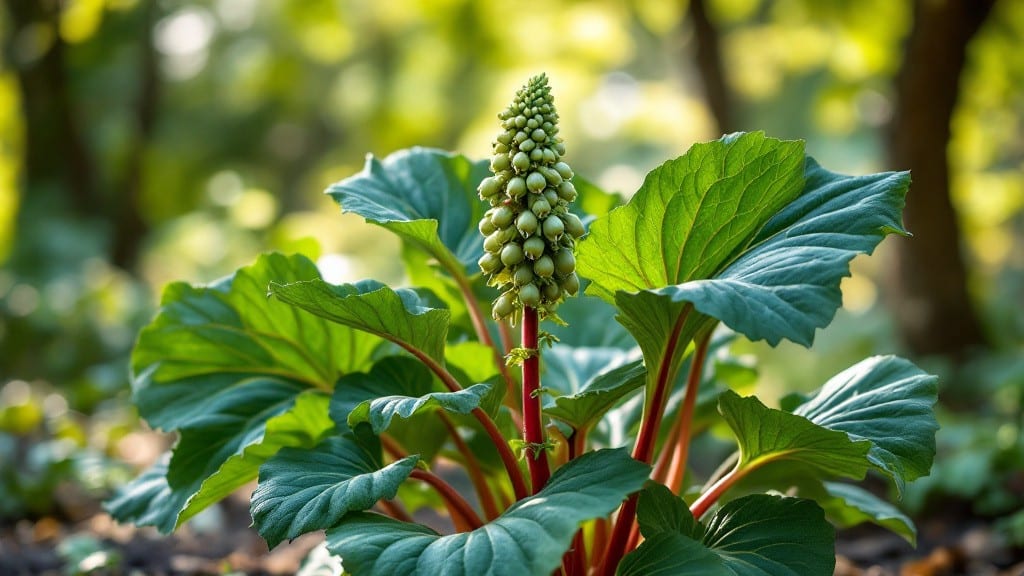
That first rhubarb flower stalk is a game-changer—it’s not just a pretty bloom, it’s a zero-waste harvest waiting to happen. 🌿 I used to cut them off without a second thought, but now I save them for pies, syrups, or even salads, turning what seemed like a nuisance into a bonus ingredient.
The real magic? Removing them at the right time actually makes your rhubarb plant more productive by redirecting energy back to those sweet, tangy stalks you actually want to eat.
The secret lies in timing and technique. Grab a sharp pair of pruners or clean scissors and snip the flower stalk just as it starts to open—usually in late spring or early summer, depending on your zone.
You’ll want to do this before the flowers fully bloom, when the plant is still putting most of its energy into growing leaves. This simple step can double your harvest by preventing the plant from wasting resources on seed production.
Plus, you’ll avoid the heartbreak of watching your rhubarb stalks shrink in size as the plant shifts focus to flowers.
What you’re left with is a rhubarb plant that’s practically begging for more harvests. The leaves stay lush and green, the stalks grow thicker and longer, and you get to enjoy the unexpected bonus of edible blossoms.
Think of it as a two-for-one deal: you get your rhubarb and a delicate, slightly tart flower that’s perfect for garnishes or infusions. The best part? You’re not just maintaining your plant—you’re turning potential waste into something delicious.
Here’s the thing—this isn’t just about cutting back. It’s about understanding your plant’s rhythm. Rhubarb is one of those rare crops where a little attention at the right moment can make all the difference.
Whether you’re a first-time grower or a seasoned gardener, this small adjustment will keep your rhubarb thriving for years to come. And trust me, once you taste those flower stalks in a recipe, you’ll never look at them the same way again.
📚 In This Guide
- What you need
- Instructions
- Tips and common mistakes
- Wrapping up and next steps
What you need
- ● Ready to transform your rhubarb flower stalk into edible magic? Here’s everything you’ll need to gather, harvest, and enjoy these delicate blooms—with zero waste in sight! 🌸✨
- ● Pro tip: 🌡️ Harvest in the morning when petals are crisp and dew-free for the best texture and flavor!
How to harvest rhubarb flower stalks for zero-waste cooking
Turn those towering rhubarb blooms into edible treats without sacrificing next year's crop.
🌿 Step 1: Identify and Select the Right Flower Stalks
Wait until the flower stalks reach 12-18 inches tall—they should be firm and upright, not wilting or bending. I look for stalks with fully opened buds but before they release pollen, as this is when they're most tender. Avoid any stalks showing signs of pest damage or disease, like yellowing leaves or holes.
Here's the thing—only harvest 1-2 stalks per plant to preserve the plant's energy. If you take too many, your rhubarb won't produce as many leaf stalks next season. I like to focus on the healthiest, most central stalks first, leaving the smaller or weaker ones to mature.
✂️ Step 2: Cut the Flower Stalks at the Base
Use clean, sharp pruning shears to snip the flower stalk just above the leaf crown where it meets the plant. Cutting at a 45-degree angle helps water run off and prevents rot. Avoid tearing the stalk—this can damage the plant and make the flower less appealing for cooking.
Real talk: If you're unsure where to cut, look for the swollen base where the stalk emerges from the leaves. That's your target spot. The sooner you harvest after the cut, the more tender the flower will be. I rinse them gently under cool water to remove any dirt or debris before using.
🌱 Step 3: Prepare the Flower Stalks for Cooking
Separate the flower clusters into individual blooms, discarding any wilted or damaged petals. The buds and petals are the edible parts—think of them like delicate, floral garnishes. You can use them fresh in salads, infuse them in syrups, or even crystallize them for a sweet treat.
Don’t skip this step: If you plan to use the flowers in cooking, remove the stamens and pistils (the green, center parts) as they can be bitter. I like to blanch the petals in boiling water for 10-15 seconds to soften them slightly before using in recipes. This keeps their vibrant color and delicate texture.
💧 Step 4: Revitalize the Rhubarb Plant After Harvesting
After harvesting, water the plant deeply to help it recover. I give it about 1 gallon of water per plant, focusing on the soil around the base. This encourages the plant to redirect energy into producing more leaf stalks instead of seeds.
Here’s where it gets fun—watch the plant closely over the next 7-10 days. You’ll often see new flower stalks emerge, or the plant may focus on growing thicker, more flavorful leaf stalks. If you notice any signs of stress, like drooping leaves, give it another drink of water and a little balanced fertilizer to boost its strength.
☀️ Step 5: Store or Use Flowers Immediately
Rhubarb flowers are best used fresh, but you can store them in the fridge for up to 3 days if wrapped in a damp paper towel. For longer storage, freeze the petals on a baking sheet before transferring them to a sealed bag. This preserves their texture and flavor for later use in baked goods or infusions.
I promise, the flavor is subtle but distinct—like a floral, slightly tart note that pairs beautifully with berries or citrus. Use them sparingly in recipes, as their flavor is delicate. If you’re unsure, start with 1-2 tablespoons of petals per serving and adjust to taste.
Tips & tricks for perfect rhubarb flower stalk harvesting
Mastering this zero-waste technique takes just a few key insights—and I'll share the ones that saved me from ruining my plants.
Selection Secret: The 12-18 inch height guideline is your golden rule, but pay attention to the flower's position too. Harvest stalks that face south or west first—they get more sunlight and develop more tender petals. I've noticed these flowers have the most delicate texture when they're fully opened but haven't released pollen yet. That's when their flavor is at its peak.
Cutting Technique: That 45-degree angle in Step 2 isn't just about water runoff—it's about creating a clean cut that heals faster. Use your pruning shears to make a smooth slice, then immediately wipe the blade with rubbing alcohol. This prevents cross-contamination between cuts and keeps your tools ready for the next stalk. The swollen base is your target because it's where the stalk connects to the plant's energy source.
Blanching Insight: When you blanch those petals for 10-15 seconds in Step 3, think of it as a quick bath rather than cooking. The goal is to soften them just enough to handle without bruising. I use a small bowl of ice water ready to plunge them into immediately after blanching—this stops the cooking process instantly and keeps their vibrant color. Don't skip this step if you're using them in salads or garnishes.
Revitalization Hack: After harvesting, I don't just water—I give my plants a slow, deep drink using the "cone method." Create a small cone around the base with your hands and pour water slowly so it soaks into the roots rather than running off. This 1-gallon-per-plant amount helps the plant recover faster and redirect energy to leaf production. Watch for those new stalks emerging in 7-10 days as your plant's reward for careful harvesting.
Pro Tips for Rhubarb Flower Stalk
- Mastering this zero-waste technique takes just a few key insights—and I'll share the ones that saved me from ruining my plants.
- Selection Secret: The 12-18 inch height guideline is your golden rule, but pay attention to the flower's position too.
- Cutting Technique: That 45-degree angle in Step 2 isn't just about water runoff—it's about creating a clean cut that heals faster.
Frequently asked questions
Got questions about harvesting and using rhubarb flower stalks? You’re not alone! Here are some of the most common queries—plus straightforward answers to help you make the most of this edible beauty.
Can I eat rhubarb flower stalks raw?
While rhubarb stalks are edible raw, they’re much more enjoyable when cooked. Raw stalks can be tart and fibrous—think of them like an underripe strawberry. For the best flavor, simmer them in pies, jams, or compotes to soften their texture and mellow their tang.
When is the best time to harvest rhubarb flower stalks?
Harvest stalks in early spring, just as the flower buds begin to swell (before they bloom). This ensures tender, flavorful stalks. Avoid harvesting after the plant flowers—stals become tougher and more fibrous. Pro tip: Cut stalks at the base with clean shears to encourage regrowth.
What if my rhubarb stalks turn pink or red?
Pink or red stalks are perfectly safe to eat—they’re just a natural variation! The color comes from anthocyanins (the same pigments in red cabbage or beets). If you prefer green stalks, choose varieties like Victoria or Cherry rhubarb, which stay lighter. No need to toss them—they’re just as delicious!
Are there any rhubarb stalk alternatives for cooking?
If you’re out of rhubarb, try these substitutes in a 1:1 ratio:
- Sour cherries (for pies or jams)
- Green apples (in compotes or sauces)
- Gooseberries (for a tangy twist)
- Unripe plantains (for a tropical, slightly tart flavor)
What should I do if my rhubarb leaves look wilted or spotted?
Wilted or spotted leaves are a sign of over-maturity or fungal issues (like leaf spot). Remove affected leaves immediately to prevent spread. For future harvests, focus on stalks—never eat the leaves (they contain oxalic acid, which is toxic). Keep your garden healthy by watering at the base and avoiding overhead sprinklers.
Bonus Tip: How to store harvested rhubarb stalks?
Wrap stalks in a damp paper towel, place them in a plastic bag, and refrigerate for up to 2 weeks. For longer storage, blanch and freeze them—perfect for quick jam-making later! Avoid washing until ready to use to prevent spoilage.
Wrapping up and next steps
Discovering the edible beauty of rhubarb flower stalks isn’t just a clever way to reduce food waste—it’s a delicious, sustainable upgrade to your kitchen! 🌸 From vibrant salads to elegant garnishes, these floral treasures turn scraps into gourmet delights while keeping your garden thriving.
Whether you’re a seasoned forager or a curious beginner, every harvest is a chance to eat mindfully and grow joyfully.
Ready to put your new skills to the test? Start small: pick a few stalks, experiment with a simple recipe, and share your creations with friends. Who knows? You might just inspire a whole community to see beauty—and flavor—in every bloom! 🌱