
Pruning
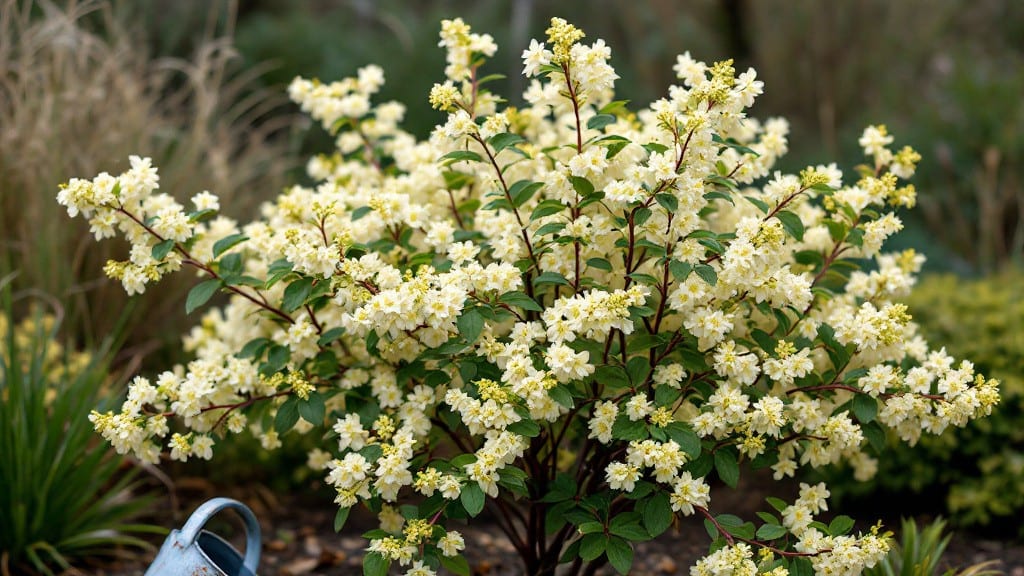
When choosing a red flower tree name, consider standout varieties like the vibrant Crape Myrtle, bold Japanese Maple, and striking Royal Poinciana, each offering seasonal blooms with unique care needs. Popular choices also include the Fire Thorn and Bridal Wreath Spirea for bold crimson displays.
Red blossoms add drama to any landscape, and these trees deliver year-round visual interest. 🌸 The Crape Myrtle thrives in heat zones 7-9, bursting with clusters of pink or red blooms from summer through fall, while the Royal Poinciana lights up with fiery orange-red flowers in late summer.
For smaller spaces, the Fire Thorn offers dense foliage and bright red blooms that attract hummingbirds. Each variety has distinct growing conditions—like the Japanese Maple's preference for partial shade—that make them perfect for specific garden spots.
What sets these trees apart isn't just their color but their adaptability. The Bridal Wreath Spirea, for example, handles both sun and partial shade, making it ideal for urban gardens. Meanwhile, the Crape Myrtle's bark adds winter interest, proving these trees are as functional as they are beautiful.
Whether you're looking for a statement focal point or a low-maintenance accent, these red flower trees deliver year-round appeal with minimal fuss.
💡 In This Article
- How to Identify Red Flower Trees by Season
- Top 5 Low-Maintenance Red Flower Trees for Landscaping
How to identify red flower trees by season
Timing is everything when selecting red-blossomed trees, as each variety has a distinct seasonal window for its most vibrant displays. The Royal Poinciana, for instance, bursts into flame with its fiery orange-red blooms exclusively in late summer (August-September), making it a showstopper for warm-weather landscapes.
Meanwhile, the Crape Myrtle extends its performance through summer and into early fall, with some varieties like 'Muskogee' producing secondary blooms after pruning—this dual-flowering habit makes it ideal for prolonged color. 🌿
Spring brings the delicate yet striking Bridal Wreath Spirea, which erupts in clusters of soft pink-red flowers from April through June, often reblooming lightly in fall. Its early season timing makes it perfect for spring gardeners craving instant color.
In contrast, the Japanese Maple's 'Bloodgood' cultivar delivers deep crimson foliage year-round but intensifies its red hues in cooler months, creating a stunning fall transition that rivals its spring blooms.
Native climates play a crucial role: Royal Poinciana thrives in tropical zones (USDA 9-11), while Japanese Maples prefer cooler climates (USDA 5-8).
Understanding these seasonal patterns helps you plan your landscape like a pro. For example, pairing the Fire Thorn's summer-to-fall blooms (July-October) with a late-summer Crape Myrtle creates a seamless color transition.
The Fire Thorn's drought tolerance (USDA 7-11) also makes it a smart choice for water-conscious gardens, while the Japanese Maple's shade adaptability (partial sun) opens possibilities for understory plantings.
What most gardeners don't realize is how these seasonal shifts affect tree health—late-season bloomers like Poinciana require winter protection in colder zones, while spring bloomers like Spirea benefit from early pruning to encourage robust growth. 🌸
Hardiness zones determine not just survival but performance. The Crape Myrtle excels in zones 7-9, where it can reach heights of 20-30 feet, while the Royal Poinciana maxes out at 30 feet in its native tropical zones but may struggle below zone 9.
This geographic limitation explains why Poinciana remains a Florida and Southern California staple—its blooms coincide with their warm, dry summers. For colder climates, the Bridal Wreath Spirea (zones 3-8) offers the most versatility, thriving even in northern gardens where other red-blossomed trees would perish.
Color intensity varies by season too. The Crape Myrtle's flowers fade from vibrant pink-red to muted lavender as they age, creating a beautiful gradient effect. Meanwhile, the Japanese Maple's foliage deepens from green to burgundy in fall—a transformation that lasts until frost.
This seasonal color science means your tree's appearance changes dramatically over months, offering different visual impacts. For instance, a summer-planted Fire Thorn will reward you with red blooms the following year, while a fall-planted Royal Poinciana may take two seasons to reach peak flowering. 💫
Consider these seasonal identifiers when selecting: spring bloomers (Spirea), summer showstoppers (Crape Myrtle), late-summer tropical bursts (Poinciana), and year-round foliage drama (Japanese Maple). Each tree's bloom cycle aligns with its native climate's growing season—a perfect example of how nature's timing creates garden harmony.
The key is matching your local climate with the tree's hardiness zone and bloom period for maximum impact.