Flowers
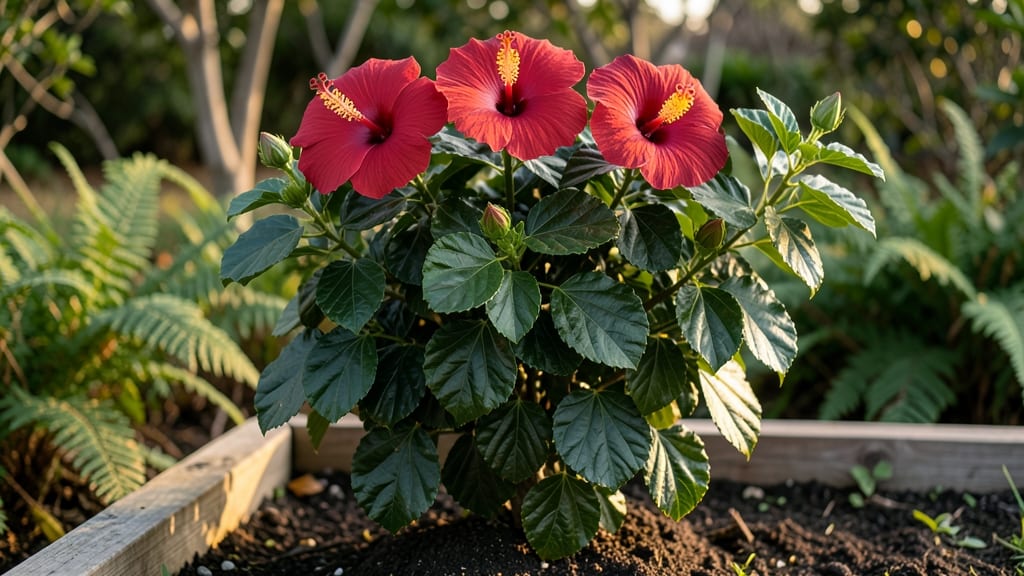
Creating a bold vertical drama with red Asian flowers transforms any garden into a pollinator magnet. 🌸 The deep crimson blooms of camellias, the dramatic petals of tropical hibiscus, and the mystical allure of lotus flowers bring instant impact—whether as a striking border, a container centerpiece, or the focal point of a themed garden.
These plants aren’t just beautiful; they’re hardy workhorses that thrive with minimal fuss while drawing bees, butterflies, and hummingbirds.
Start with camellias for structured elegance—their glossy leaves and layered blooms create natural vertical tiers perfect for hedges or mixed borders. Pair them with hibiscus, whose oversized flowers add tropical flair to containers or sunny garden edges.
For water features, lotus delivers ethereal drama, its blooms emerging like jewels from the surface. All three tolerate partial shade, making them ideal for shaded gardens or urban courtyards where full sun isn’t an option.
Your garden will buzz with life as pollinators flock to the nectar-rich blooms, while the rich red hues contrast stunningly against silver foliage (like dusty miller) or soft greens (such as hostas). The secret? Plant in odd-numbered clusters for visual rhythm—three camellias here, five hibiscus there—and layer heights for depth.
With proper spacing and occasional pruning, these plants reward you with season-long color that turns heads and hearts alike.
Whether you’re designing a formal Japanese-inspired garden or a casual pollinator haven, these red Asian stars deliver. Their adaptability means they work in containers, borders, or as standalone specimens, so let your space guide the arrangement.
Start small—perhaps a single hibiscus in a large pot—and expand as you fall in love with their dramatic presence. The payoff? A garden that feels alive, intentional, and effortlessly stunning.
📚 In This Guide
- What you need
- Instructions
- Tips and common mistakes
- Wrapping up and next steps
What you need
- ● Red Asian flowers: Choose from Hibiscus syriacus (Rose of Sharon), Lagerstroemia indica (Crape Myrtle), or Ixora chinensis (Jasmine Flower). Quantity: 3–5 mature plants (or 10–15 young starts for a fuller look).
- ● Vertical garden structure: Wall-mounted planters (2–4, depending on space)
- ● OR a trellis (6–8 ft tall for climbing varieties like Campsis radicans)
- ● OR a hanging basket (2–3 for cascading red blooms)
- ● Potting mix: 5–10 gallons of well-draining, organic-rich soil (e.g., 60% garden soil + 30% compost + 10% perlite).
- ● Fertilizer: Slow-release granular fertilizer (e.g., 10-10-10, 1 lb per plant)
- ● OR liquid seaweed fertilizer (for a natural boost)
- ● Mulch: 2–3 yards of wood chips or straw to retain moisture.
- ● Basic gardening tools: Trowel or hand shovel
- ● Pruning shears (sterilized!)
- ● Garden gloves (to protect from thorns or sap)
- ● Watering supplies: Watering can OR hose with a gentle spray nozzle
- ○ Drip irrigation kit (optional, for automated care)
- ● Support materials: Twine or plant ties (for securing climbing varieties)
- ● Stakes (if using a trellis)
- ● Prerequisites: Sunny spot: 6+ hours of direct sunlight daily (most red Asian flowers thrive in full sun).
- ● Drainage: Ensure your vertical structure has holes for excess water to prevent root rot.
- ● Pollinator-friendly location: Place near other nectar sources (e.g., lavender or coneflowers).
- ● Companion plants: Add salvia, bee balm, or marigolds to enhance color and attract more pollinators.
- ● Decorative accents: Solar-powered garden lights or painted pots to elevate your vertical display.
- ● Seasonal care: Slow-release fertilizer tablets (for winter feeding) or a lightweight frost cloth for tender varieties.
How to create a striking pollinator haven with red Asian flowers
Here's how to craft a vertical garden masterpiece that thrives with bold red blooms.
🌱 Step 1: Select Your Red Asian Flower Varieties
For maximum pollinator appeal, choose red Asian flowers with contrasting textures—like red salvia (Salvia coccinea) for vibrant spikes, red butterfly pea (Clitoria ternatea) for cascading clusters, and red canna lilies (Canna indica) for dramatic foliage. I always mix three different heights to create vertical layers: tall spikes (3-4 feet), mid-height clusters (2-3 feet), and ground-hugging fillers (1-2 feet).
Check each variety's sunlight needs—some like full sun (6+ hours), while others thrive in partial shade (3-6 hours). Place sun-lovers at the back of your vertical display and shade-tolerant plants toward the front. This ensures every bloom gets its ideal light exposure without competition.
🪴 Step 2: Prepare Vertical Planters for Drainage and Soil
Use fabric grow bags or deep wall pockets (12-18 inches deep) to prevent root rot—red Asian flowers hate soggy feet. Line the bottom with landscape fabric to block soil from escaping while allowing water drainage. Fill each pocket with a well-draining potting mix blended with 20% perlite for aeration.
I always add a slow-release fertilizer (like 5-10-5) when planting to give roots a nutrient boost. Press the soil firmly around each stem to eliminate air pockets, but don’t compact it—roots need room to spread. Water thoroughly after planting to settle the soil and remove any air bubbles.
☀️ Step 3: Plant for Vertical Impact and Pollinator Flow
Start with the tallest varieties at the back, then work forward with mid-height and trailing plants. Space them 6-8 inches apart to allow airflow and prevent fungal diseases. Red flowers attract hummingbirds and bees, so I stagger planting times—every 2-3 weeks—to ensure continuous blooms from spring to fall.
Use trellises or bamboo stakes for climbing varieties like red morning glories to guide their growth upward. For cascading types, let them spill over edges naturally. The key is creating visual movement—flowers should draw the eye upward while also spilling downward for a lush, full look.
💧 Step 4: Water and Maintain for Continuous Blooms
Water deeply every 2-3 days until the top 2 inches of soil feel dry—red Asian flowers wilt quickly if thirsty. I use a drip irrigation system to keep moisture consistent without overwatering. Mulch with 2-3 inches of shredded bark to retain moisture and suppress weeds, but leave 1 inch of space between mulch and stems to prevent rot.
Deadhead spent blooms weekly to encourage new flowers. For red cannas, cut back yellowing leaves in late summer to redirect energy into root storage. Fertilize every 4-6 weeks with a balanced liquid feed (10-10-10) during the growing season. This keeps foliage lush and blooms vibrant.
✂️ Step 5: Prune and Winterize for Next Season
In late fall, cut back all stems to 6 inches tall and remove any dead or diseased foliage. Red Asian flowers are tender perennials in most climates, so I dig up cannas and salvias after frost and store their tubers in dry peat moss indoors. Butterfly pea vines can be left in the ground in USDA Zones 9-11 with a thick mulch layer for winter protection.
Before storing, soak tubers in a fungicide solution to prevent rot. Label each container with the variety and replant in early spring once nighttime temperatures stay above 50°F. This ensures a fresh start and prevents confusion when replanting.
Tips & tricks for perfect red Asian flower vertical gardens
A few strategic moves will transform your vertical garden from ordinary to extraordinary. These insights come from years of watching pollinators flock to my own vibrant displays.
Layering for Visual Impact: The three-height structure—tall spikes (3-4 feet), mid-height clusters (2-3 feet), and ground-hugging fillers (1-2 feet)—creates dramatic vertical movement. I place the tallest varieties at the back to prevent shading while letting cascading types spill naturally over edges. This creates that "wow" factor where every angle reveals new textures and colors. The key is starting with the tallest plants first, working forward to the shortest.
Sunlight Strategy: In Step 1, I always group sun-loving varieties together at the back of the vertical display where they'll receive those crucial 6+ hours of direct sunlight. The shade-tolerant plants go toward the front where they'll get filtered light. This prevents competition where some plants would get too much sun while others languish in shade. I've learned this the hard way—my first attempt had sun-lovers in the front and they fried while the shade plants struggled.
Root Health Foundation: The 12-18 inch depth of fabric grow bags is non-negotiable for these tropical flowers. In Step 2, I add an extra layer of perlite (20%) to the potting mix to create air pockets that prevent root rot. The landscape fabric lining prevents soil from escaping while still allowing drainage. I've seen soggy roots turn vibrant red blooms into sad, wilted plants—this simple prep prevents that heartbreak. Water thoroughly after planting to eliminate air pockets around the roots.
Pollinator Magnet: The staggered planting every 2-3 weeks in Step 3 ensures continuous blooms that keep pollinators visiting all season. I've timed it so that when one variety starts fading, another is just coming into full bloom. This creates that magical effect where your garden is always buzzing with activity. The weekly deadheading in Step 4 extends this bloom period by encouraging new flowers to form continuously throughout the growing season.
Pro Tips for Red Asian Flower
- A few strategic moves will transform your vertical garden from ordinary to extraordinary. These insights come from ye...
- Layering for Visual Impact: The three-height structure—tall spikes (3-4 feet), mid-height clusters (2-3 feet), and gr...
- Sunlight Strategy: In Step 1, I always group sun-loving varieties together at the back of the vertical display where ...
Frequently asked questions
Got questions about growing red Asian flowers for your pollinator garden? You’re not alone! Here are some of the most common queries—and their answers—to help you create a stunning, bee-friendly vertical display.
What are the best red Asian flowers for pollinator gardens?
Top picks include Lagerstroemia indica (crape myrtle), Hibiscus rosa-sinensis (Chinese hibiscus), and Ixora coccinea (jungle flame). These thrive in warm climates, attract bees, and add vibrant red blooms. For cooler regions, consider Rodgersia aesculifolia (a red-leaved perennial) or Sedum hybrids like 'Autumn Joy' (red-tinged flowers).
When is the best time to plant red Asian flowers for vertical gardens?
Plant in early spring (after the last frost) or early fall for established roots before winter. If using containers, you can plant year-round in mild climates, but avoid extreme heat or cold. For climbing varieties (like some hibiscus), install supports before planting to encourage vertical growth.
How often should I water red Asian flowers in containers?
Water when the top 1-2 inches of soil feel dry—usually every 2-3 days in hot weather and weekly in cooler months. Containers dry out faster, so check moisture levels daily if temperatures exceed 85°F. Mulch with shredded bark to retain moisture and reduce evaporation.
Why aren’t bees visiting my red Asian flowers?
Bees love red flowers, but they prefer open, flat blooms (like hibiscus) over tightly clustered ones (e.g., some ixora). Ensure flowers are healthy and pest-free—chemical pesticides can repel pollinators. Plant native companion flowers (like lavender or sunflowers) nearby to attract more bees.
Can I grow red Asian flowers indoors or in small spaces?
Yes! Compact varieties like Hibiscus syriacus (dwarf types) or Ixora ‘Compacta’ thrive in large pots (10+ gallons) with south-facing light. Use a grow light in winter. For vertical spaces, train vining plants (like Campsis radicans, trumpet vine) on trellises or walls.
Wrapping up and next steps
From the vibrant red Asian flower to the buzzing pollinators it attracts, your garden can now be a stunning vertical haven! 🌸 Whether you’re a seasoned gardener or just starting, this bold choice adds drama and life to any space. Now’s the perfect time to roll up your sleeves and transform your outdoor (or indoor!) oasis.
Ready to dive in? Start small—plant one section at a time and watch your garden flourish with color and movement. Happy gardening! 🌿