Flowers
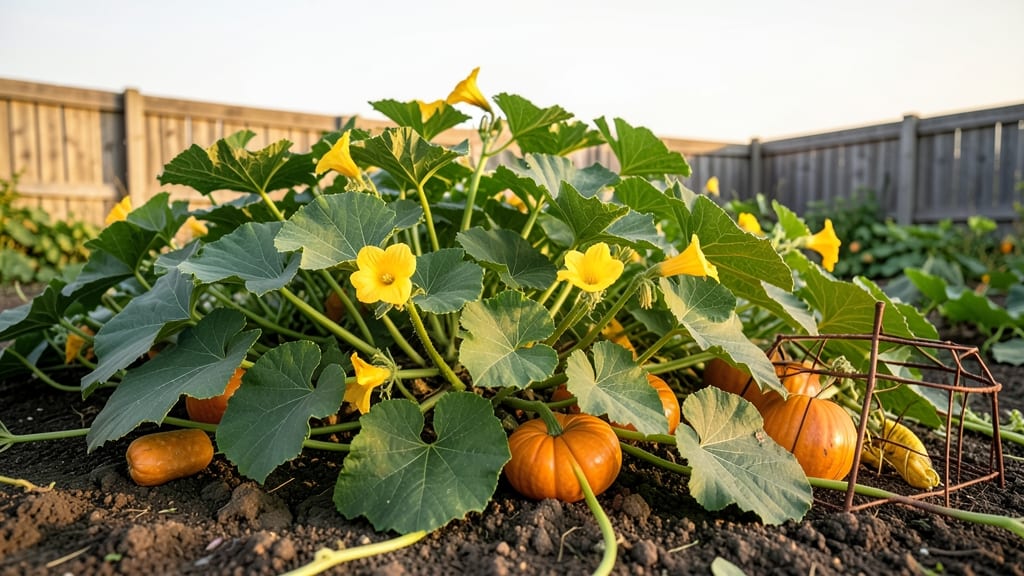
Those pumpkin yellow flowers aren’t just pretty—they’re the secret to a bumper crop of fruit. 🌻 I’ve grown pumpkins for years, and I’ll admit, the first time I saw a vine covered in bright yellow blossoms, I thought it was magic.
But there’s a science to getting them to bloom reliably, and once you understand it, your patch will thrive.
The key is matching their needs: full sun, consistent water, and the right fertilizer timing. Most gardeners overlook how much pumpkins hate wet feet or uneven feeding, which is why so many vines struggle to produce flowers.
I’ll show you the simple tricks that turn floppy vines into flowering powerhouses—even in hot summers.
By mid-summer, you’ll have clusters of those cheerful blooms, and with a little help from bees (or your finger), those flowers will turn into the pumpkins you’ve been dreaming of. The best part? These same techniques work for both edible varieties and ornamental pumpkins, so you get beauty and harvest.
We’ll also tackle the common problems—like why some vines flower but never fruit—and how to fix them before they become big issues. Ready to grow pumpkins that actually produce?
The Science Behind Color Shifts
If your pumpkin yellow flowers are losing their vibrant hue or shifting unexpectedly, it’s often due to a mix of environmental, biological, and cultural factors. Understanding these causes helps you take targeted action to restore their bold autumn glow.
Let’s break down the key reasons why this happens—and how to address them.
Not all pumpkin yellow flowers are created equal! Some varieties are bred to fade faster due to anthocyanin sensitivity—pigments that react to light and temperature. For example:
- Hybrid strains may have weaker pigment stability, causing colors to dull over time, especially in hotter climates.
- Immature blooms often appear paler yellow because their chlorophyll (green pigment) hasn’t fully converted into carotenoids (yellow/orange pigments).
- Age-related fading: Like autumn leaves, flowers naturally degrade as they age, losing vibrancy due to senescence (the biological aging process).
Actionable fix: Choose non-hybrid or heirloom varieties (e.g., 'Cinderella' or 'Jack Be Little') known for retaining color longer. Harvest blooms in the morning when pigments are freshest.
Pumpkin flowers thrive in full sun (6–8 hours/day), but too much heat or intense UV exposure can trigger color shifts:
- Excessive heat (above 90°F/32°C): Causes chlorophyll breakdown, making flowers appear washed out or green-tinged.
- Cold snaps (below 50°F/10°C): Slows pigment production, leading to duller hues. Early autumn frosts can also "burn" petals, turning edges brown.
- Direct afternoon sun: Can scorch petals, causing uneven fading (darker centers, lighter edges).
Actionable fixes:
- Provide afternoon shade (use shade cloth or plant near taller crops like corn).
- Mulch with straw to regulate soil temps and reduce stress.
- Water deeply in the early morning to cool roots and protect pigments.
Water and nutrients directly impact pigment production. Here’s how mismanagement affects color:
| Issue | Effect on Flowers | Fix |
|---|---|---|
| Underwatering | Stress triggers ethylene gas, accelerating senescence and dulling colors. | Water at soil level (1–2 inches deep) every 2–3 days in dry climates. |
| Overwatering | Root rot blocks nutrient uptake, leading to chlorosis (yellowing from lack of magnesium). | Ensure well-draining soil (mix in perlite or compost). |
| Nitrogen-heavy fertilizer | Promotes leafy growth over flowers, diluting carotenoid production. | Switch to a balanced 10-10-10 or phosphorus-rich (5-10-10) fertilizer. |
| Magnesium/iron deficiency | Causes interveinal yellowing (veins stay green). | Apply Epsom salt (1 tbsp/gallon of water) or chelated iron monthly. |
Pro tip: 💡 Test soil pH (ideal: 6.0–6.8). Acidic soil (<5.5) locks out magnesium—amend with lime.
Unseen invaders can sap your flowers’ vibrancy before you notice. Watch for:
- Squash vine borers: Larvae tunnel into stems, disrupting nutrient flow and causing premature wilting and fading.
- Powdery mildew: A fungal infection (white powder on leaves) blocks sunlight, leading to pale, weak blooms.
- Aphids/spider mites: Sap-sucking pests reduce chlorophyll, turning petals speckled or grayish.
Actionable fixes:
- 🔥 Prevent borers: Wrap stems with cardboard collars or use neem oil.
- 🌡️ Combat mildew: Spray leaves with baking soda mix (1 tsp baking soda + 1 quart water + a drop of soap) weekly.
- 🎯 Blast pests: Hose off aphids with water or introduce ladybugs (natural predators).
By tackling these root causes, you’ll help your pumpkin yellow flowers retain their fiery autumn hues—or even deepen their color! Next, we’ll explore how to boost pigment production for show-stopping blooms.
Revive Your Autumn Blooms
When your pumpkin-hued flowers start wilting or struggling, quick action can bring them back to their vibrant best. Below, we’ll tackle common issues with practical fixes—plus tips to keep your blooms thriving all season.
Signs: Yellowing leaves, mushy stems, or flowers that droop despite water.
How to Fix It:
- 🔥 Stop watering immediately—let the soil dry out slightly before watering again.
- 🍳 Check drainage: If your pot lacks holes, repot into a container with drainage or add perlite to the soil mix.
- 👨🍳 Adjust watering habits: Water only when the top inch of soil feels dry (stick your finger in to test!).
- ⏰ Morning watering is best—avoid evening watering to prevent fungal growth.
Prevention Tip: 💡 Use well-draining soil (like a mix of potting soil and compost) and avoid soggy conditions.
Signs: Crispy edges, wilting, or flowers that refuse to open.
How to Fix It:
- 🔥 Gradually adjust sunlight—if your flowers are in full sun, move them to partial shade for a few days.
- 🥘 Hydrate deeply: Water thoroughly until it drains from the bottom, then repeat every 2–3 days.
- 🌡️ Mulch the soil with straw or shredded leaves to retain moisture and protect roots.
Prevention Tip: ✨ If growing in containers, use self-watering pots or place them in saucers with pebbles and water.
Signs: Holes in leaves, sticky residue, or black spots on petals.
How to Fix It:
- 🔪 Remove affected parts—snip off damaged leaves or flowers with clean scissors.
- 🍳 Spray with neem oil (mix 1 tsp with 1 quart of water) to deter aphids, spider mites, or fungal issues.
- 👨🍳 Boost airflow—space plants apart and prune crowded growth to reduce humidity buildup.
Prevention Tip: 🎯 Inspect new plants before bringing them home—quarantine them for a few days to catch pests early.
Signs: Slow growth, pale leaves, or flowers that fade quickly.
How to Fix It:
- 🔥 Use a balanced liquid fertilizer (10-10-10) every 4–6 weeks during the growing season.
- 🥘 Feed lightly in autumn—switch to a low-nitrogen formula (like 5-10-10) to encourage blooming.
- 🌡️ Avoid over-fertilizing—this can burn roots; always water before applying fertilizer.
Prevention Tip: 💡 Top-dress with compost in early spring to feed roots naturally.
Signs: Browned petals, blackened stems, or flowers that refuse to reopen after chilly nights.
How to Fix It:
- 🔥 Move potted plants indoors (or to a sheltered spot) if frost is forecast.
- 🥘 Cover outdoor plants with frost cloth or a lightweight blanket at night.
- 🌡️ Mulch heavily around the base to insulate roots.
Prevention Tip: ✨ Choose cold-hardy varieties if you live in a short-season climate.
By addressing these issues early, your pumpkin-yellow blooms will bounce back stronger than ever. Happy gardening! 🌼🍂
Frequently asked questions
Why do pumpkin flowers turn yellow?
Pumpkin flowers naturally produce bright yellow pigments called carotenoids, which develop as the blooms mature. The yellow color appears when chlorophyll (green pigment) breaks down as the flower ages, revealing these vibrant carotenoids. This is a normal part of their growth cycle, especially in varieties like 'Cinderella' or 'Jack Be Little'.
How long do pumpkin yellow flowers last?
Individual pumpkin flowers typically bloom for just 1-2 days before wilting, but new blooms continue to open throughout the growing season (usually 6-8 weeks after planting). The constant cycle of opening and closing ensures continuous pollination opportunities for fruit development. Male flowers (with long stems) appear first, followed by female flowers (with tiny fruits at their base).
Can I eat pumpkin flowers?
Yes! Pumpkin flowers are completely edible and delicious. Both male and female flowers can be used in cooking—male flowers are often preferred for their larger size. They're commonly used in Italian cuisine (like fritters or tempura) and add a mild, slightly sweet flavor. Just ensure they're pesticide-free if growing organically.
Why aren't my pumpkin plants producing flowers?
Common reasons include insufficient sunlight (less than 6 hours/day), inconsistent watering, or over-fertilizing with nitrogen (which promotes leaves over flowers). Try moving plants to sunnier spots, watering consistently at the soil level, and switching to a phosphorus-rich fertilizer (like 5-10-10) to encourage blooming. Most pumpkins need warm soil temperatures (70°F/21°C) to trigger flowering.
How do I know if a pumpkin flower is male or female?
Male flowers grow on long stems and have no fruit at their base, while female flowers have a tiny pumpkin (about pea-sized) at the base of the bloom. The female flowers are crucial for fruit production—each one can develop into a pumpkin if properly pollinated. Male flowers help with pollination by attracting bees, so both types are important for a healthy harvest.