Pruning
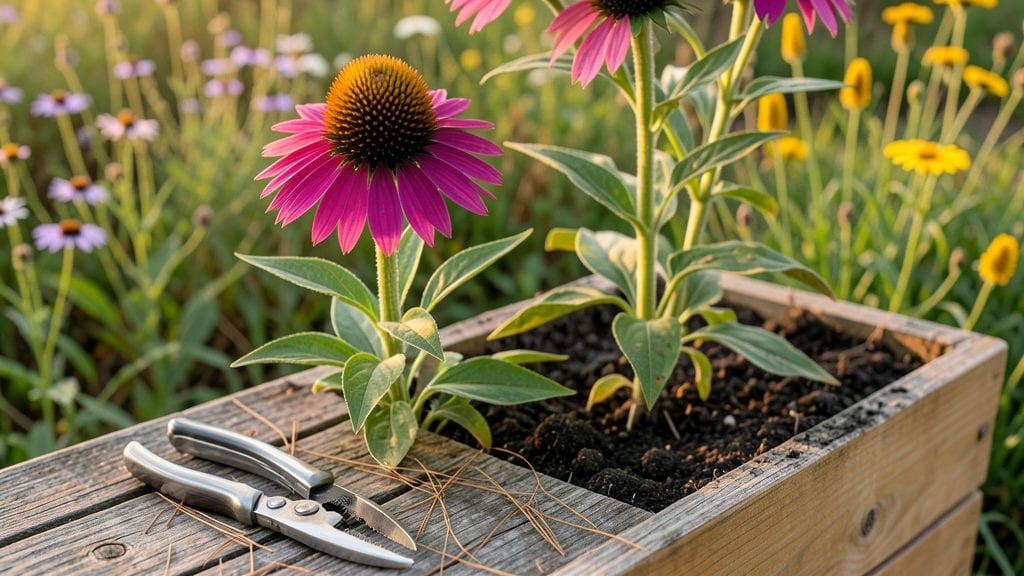
Pruning perennial flowers isn't just about cutting back—it's the secret to keeping them blooming like crazy for years. 🌸 I used to dread the task, but after a few seasons of trial and error, I realized the right cuts at the right time turn scraggly plants into showstoppers.
The difference between a garden that fades by midsummer and one that bursts with color all season often comes down to a few sharp snips with the right timing.
You don’t need fancy tools—just a pair of clean, sharp pruners and maybe some gloves for the thorny stuff. The real trick is knowing when to prune: early spring for most perennials, right after blooming for deadheading, and late fall for cleanup.
I’ve even learned to spot the subtle signs—like leggy stems or faded blooms—that tell me it’s time to act. Once you get the rhythm, it becomes second nature, and your perennials will thank you with bigger, brighter flowers every year.
By the time you’re done, your garden will look like it just got a spa day—neat, energized, and ready for another round of blooms. The key is working with the plant’s natural growth cycle, not against it.
You’ll see new shoots pushing through within weeks, and those once-worn-out perennials will be thriving like they’re fresh out of the nursery. Let’s get those shears out and make it happen!
This method works for everything from coneflowers to daylilies, and I’ll walk you through the exact cuts for each type so you never guess again. Whether you’re dealing with a single clump or a whole border, the principles stay the same—just adjust the scale.
Ready to transform your garden’s second half into its best season yet?
📚 In This Guide
- What you need
- Instructions
- Tips and common mistakes
- Wrapping up and next steps
What you need
- ○ Pruning shears: Bypass pruners (sharp, clean blades for clean cuts; 5–7 inches long, ergonomic grip for comfort). Optional: Small anvil pruners for thicker stems (but avoid crushing them).
- ● Hand pruners: Bypass-style (for delicate stems; 4–6 inches, lightweight).
- ● Loppers: Bypass or ratcheting (for thicker branches; 18–24 inches, reinforced handles).
- ● Garden saw: Pruning saw (for stubborn, woody growth; 8–12 inches, fine teeth for clean cuts).
- ● Gloves: Heavy-duty gardening gloves (cut-resistant, breathable; check for grip and durability).
- ● Disinfectant: Rubbing alcohol (70%+) or bleach solution (1 part bleach to 9 parts water) to sterilize tools between cuts (prevents disease spread).
- ● Sharpener: Pruner sharpening tool or fine-grit sandpaper to maintain blade sharpness.
- ● Trash bags: Heavy-duty contractor bags (for debris; 30–50 gallon size).
- ● Compost bin or bucket: For collecting pruned material (if composting).
- ○ Knee pads: Optional but helpful for comfort during long sessions.
- ● Water spray bottle: Small for rinsing tools or dusting off debris.
- ● Know your perennials: Research the specific pruning needs of your plants (e.g., deadheading vs. hard pruning).
- ● Check the weather: Prune on a dry, overcast day (or early morning) to avoid stressing plants.
- ● Gather references: Print or save pruning guides for your flower types (e.g., peonies vs. coneflowers).
Step-by-step guide to pruning perennial flowers
Here's the method I've used for years to keep my perennial garden thriving—no guesswork, just clear cuts and happy plants.
✂️ Step 1: Identify the Right Time to Prune
Most perennials bloom on new growth, so prune right after they finish flowering in late spring or early summer. For example, coneflowers and black-eyed Susans should be trimmed back 6-8 weeks after blooming—that's when they've already put their energy into flowers for the season. Look for spent blooms turning brown or leaves yellowing; that's your cue.
Some perennials like peonies bloom on old wood (last year's growth), so wait until late summer or early fall to clean up their foliage. I always check my garden notes to remember which type each plant is—skipping this step can mean missing next year's flowers entirely.
🌿 Step 2: Gather Tools and Prepare the Workspace
Use sharp, clean pruners or shears—dull blades tear stems and invite disease. I wipe mine down with rubbing alcohol before starting to kill any lingering bacteria. Wear gloves to protect your hands from thorns or sap, especially with roses or hydrangeas.
Clear away dead leaves and debris from the base of plants to prevent fungal growth. Lay down a tarp or old sheet to catch clippings—this keeps your workspace tidy and makes cleanup easy. I like to work on a dry day when the plants are firm and less likely to tear.
✂️ Step 3: Cut Back Dead or Damaged Growth First
Start by removing any stems that are brown, mushy, or hollow—these won't regrow and just take energy from healthy parts. Cut back to the first set of healthy leaves or growth buds. If a stem is completely dead, snip it at the base to encourage new shoots.
For woody stems, make cuts at a 45-degree angle about ¼ inch above a leaf node or outward-facing bud. This helps water run off the cut and prevents rot. I always step back after cutting to check the plant's shape—you want to keep a balanced, open structure for airflow.
🌱 Step 4: Thin Out Crowded Stems for Better Airflow
Perennials often send up multiple stems from the same base. Leave the 3-5 strongest, healthiest stems and remove the rest at the base. This prevents overcrowding, which leads to weak blooms and disease. I look for stems with the thickest, darkest green leaves—they're the ones that will power next year's flowers.
If your plant has long, leggy stems, cut them back by ⅓ to ½ to encourage bushier growth. You'll see new shoots emerge within 2-3 weeks as the plant redirects its energy. Avoid cutting back more than ⅓ of the plant at once—this can stress it too much.
⏰ Step 5: Schedule Seasonal Maintenance Checks
After the initial prune, check your perennials every 4-6 weeks during the growing season. Remove any new deadheads or diseased foliage immediately to keep the plant strong. I set a reminder on my phone for late summer to do a final light trim before winter.
In fall, cut back most perennials to 4-6 inches tall and leave the stems in place—this protects the crown from freezing temperatures. Evergreens like lavender or Russian sage can stay taller, but still tidy up any dead growth. Mulch around the base with 2-3 inches of organic mulch to insulate roots over winter.
Tips & tricks for perfect perennial pruning
These simple strategies will help you avoid common mistakes and keep your perennials thriving for years to come.
Timing is Everything: The 6-8 week window after blooming is your sweet spot for most perennials. I learned this the hard way—pruning too early can remove next year's flower buds! For old wood bloomers like peonies, mark your calendar for late summer instead. Pro tip: Snap a photo of your plants after they bloom to remember their post-flowering shape.
Tool Sharpness Matters: Dull pruners crush stems instead of making clean cuts, which invites disease. I keep a small bottle of rubbing alcohol in my gardening caddy to wipe down blades between cuts. For thick stems, use loppers—never pruning shears! They'll just bend under pressure.
The 45-Degree Secret: When cutting woody stems, that quarter-inch above the bud isn't just a measurement—it's a water runoff system. The angled cut prevents water from pooling on the stem, which would cause rot. I always visualize rain sliding off a roof when making these cuts.
Seasonal Checklist: That 4-6 week maintenance schedule in Step 5 is your insurance policy. Set phone reminders for late summer to do your final light trim—it's the perfect time to assess what survived the season. For fall prep, I always double-check my evergreens last since they have different needs than deciduous perennials.
Pro Tips for Pruning Perennial Flowers
- These simple strategies will help you avoid common mistakes and keep your perennials thriving for years to come.
- Timing is Everything: The 6-8 week window after blooming is your sweet spot for most perennials.
- Tool Sharpness Matters: Dull pruners crush stems instead of making clean cuts, which invites disease.
Frequently asked questions
Got questions about keeping your perennials thriving with the right cuts? Here are some of the most common concerns—and their answers—to help you prune like a pro!
When is the best time to prune perennial flowers?
The ideal time depends on your plant! Early spring (just as new growth appears) is best for most perennials, while late winter works for dormant plants like peonies. Avoid pruning in fall unless your plant is diseased—this can invite pests. Always check your specific plant’s needs!
How much should I cut back my perennials?
This varies by type! Deadhead spent blooms (cut just above the next set of leaves) to encourage reblooming. For hardy perennials (like coneflowers), trim back 1/3 of the foliage in early spring. Tender perennials (like lavender) need minimal pruning—just shape lightly after flowering.
What if I prune at the wrong time?
Don’t panic! A light late-summer trim (to remove leggy growth) is better than no pruning at all. However, avoid heavy cuts in fall or winter—this can stress plants. If you’ve already over-pruned, focus on watering deeply and fertilizing to help recovery.
Can I prune perennials in containers differently?
Yes! Container perennials often need more frequent trimming (every 4–6 weeks) to control size and encourage blooms. Use clean, sharp shears and prune 1/3 of the plant at a time. Also, repot every 2–3 years to refresh roots and improve airflow.
How do I clean up after pruning?
Remove all dead or diseased foliage immediately to prevent pests. Compost healthy clippings (unless they’re diseased) or dispose of them in yard waste. Sterilize tools with rubbing alcohol between plants to avoid spreading pathogens.
Wrapping up and next steps
Pruning your perennial flowers doesn’t have to be intimidating—it’s simply about giving them the care they need to thrive. By following seasonal guidelines and using the right tools, you’ll encourage healthier growth, more vibrant blooms, and fewer pests.
Whether you’re a beginner or a seasoned gardener, a little effort now will reward you with a stunning, low-maintenance garden for years to come. 🌸
Ready to take the next step? Grab your pruners, mark your calendar for seasonal tasks, and start transforming your garden today! Your future self (and your flowers) will thank you.