
Pruning
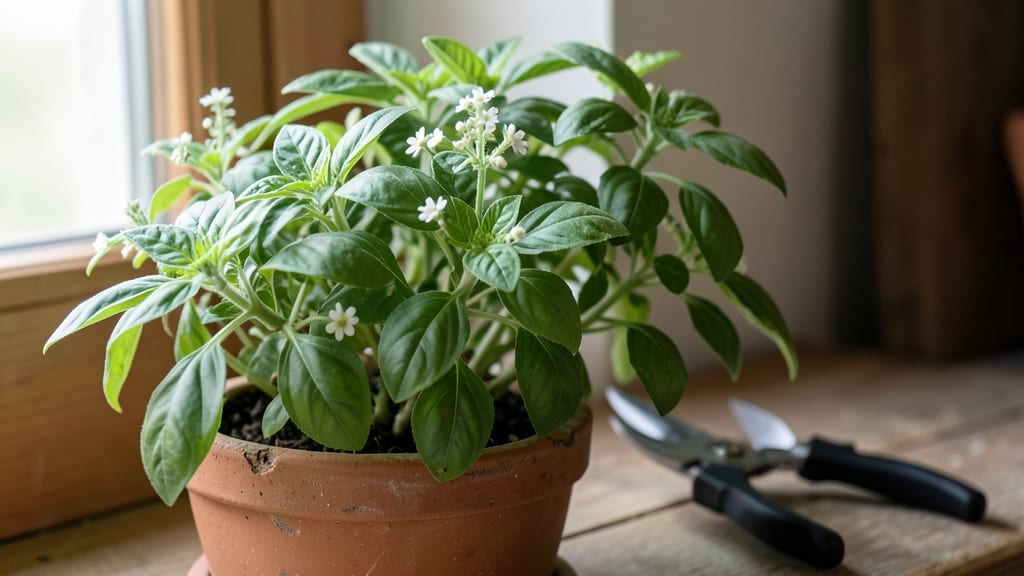
Pruning basil flowers isn't just about trimming—it’s the secret to keeping your plants productive for months instead of weeks. ✨ I’ve watched basil bolt into seed stalks after flowering, only to see it turn bitter and woody.
The fix? Pinching off those tiny buds before they open. This simple step redirects energy back into leaf production, giving you tender, fragrant leaves all season long.
You’ll need just three things: sharp scissors or fingers (yes, really), a sunny windowsill or garden spot, and a little patience. The best time to prune is early morning when stems are firm and moisture levels are high.
Work gently—squeeze off buds between your thumb and forefinger, or snip just above the leaf node where new growth emerges. This method keeps your basil bushy and prevents the plant from diverting energy into seeds.
After pruning, your basil should respond within 5-7 days with fresh, vibrant growth. The leaves will taste sweeter, the stems will stay sturdy, and you’ll avoid the disappointment of a plant that suddenly stops producing.
For ornamental varieties, this technique also keeps the foliage dense and colorful. The payoff? A continuous harvest of flavorful leaves instead of a single flush followed by disappointment.
This works for both potted basil on patios and in-ground plants in gardens. The key is consistency—check your plants weekly during peak growing season and remove any new flower buds immediately. With this approach, you’ll enjoy basil that stays lush and productive long after most gardeners have given up.
📚 In This Guide
- What you need
- Instructions
- Tips and common mistakes
- Wrapping up and next steps
What you need
- ● Fresh basil plant(s) – Potted or in-ground, with visible flowers or buds (1+ plants recommended for best results).
- ● Clean, sharp pruning shears or scissors – Must be sterilized (rubbing alcohol or boiling water works) to prevent disease. Avoid dull tools that crush stems!
- ○ Gloves (optional but recommended) – Protects hands from sap and thorns (if your basil has any).
- ○ Small container or bucket – For collecting pruned flowers/stems (optional but handy for composting).
- ● Water spray bottle – To mist leaves post-pruning (helps reduce stress).
- ● Compost bin – For recycling pruned flowers (they’re nutrient-rich!).
- ● Horticultural oil or neem oil – If your plant shows signs of pests post-pruning.
- ● Garden journal or notebook – To track pruning dates and plant progress.
- ○ Sunlight meter (optional) – To ensure your basil gets 6+ hours of direct sun daily.
Step-by-Step guide to pruning basil flowers for bountiful harvests
Here's how to keep your basil thriving—just pinch and watch those leaves multiply.
✂️ Step 1: Identify and Remove Flower Buds Early
Basil puts all its energy into flowers when they appear, which means fewer leaves for your kitchen. Check your plants daily for tiny flower buds—those little green spikes hiding in the leaf axils. The moment you spot one, grab your pruning shears and snip it off cleanly at the base.
Don't wait until flowers bloom—those buds steal nutrients overnight. I always carry a small pair of scissors when harvesting to catch them early. You'll know you're doing it right when the plant looks bushier within a week.
🌿 Step 2: Prune Leggy Stems for Compact Growth
If your basil has grown tall and spindly with large gaps between leaves, it's begging for a pruning. Use clean shears to cut just above a set of leaves where new growth emerges—this encourages branching. Aim for stems that are at least 4-6 inches tall before pruning.
Leggy basil often means it's not getting enough light. After pruning, rotate the pot so all sides get even exposure. You'll see fresh leaves sprouting from those cut points within 7-10 days—that's your basil rebounding.
✂️ Step 3: Harvest Regularly to Stimulate New Growth
Pinch off the top sets of leaves when your basil reaches 6-8 inches tall. This simple step prevents flowering and keeps the plant producing new leaves at the base. Always cut just above a leaf node where new growth can emerge—never tear or rip stems.
Harvest leaves in the morning when oils are most concentrated. You'll notice the plant fills out faster and stays bushier. I harvest about ⅓ of the plant at a time to avoid shocking it—this balance keeps production steady without stressing the plant.
☀️ Step 4: Provide Optimal Conditions After Pruning
After pruning, give your basil bright, indirect light for a few days to recover. Too much direct sun right after cutting can scorch new growth. Water only when the top inch of soil feels dry—overwatering causes root rot that kills plants faster than flowers ever could.
Fertilize with a balanced liquid fertilizer (like 10-10-10) diluted to half strength. You'll see fresh leaves emerge within 10-14 days if conditions are right. The key is consistency—prune, harvest, and maintain light regularly for continuous production.
Tips & tricks for perfect basil pruning
Here's what nobody tells you about keeping your basil thriving—these tricks will transform your harvest overnight.
Timing Tip: The moment you spot those tiny flower buds in Step 1, act fast! Those little green spikes can appear overnight, and once they bloom, your basil will focus all its energy on flowers instead of leaves. I check my plants every morning after watering—it's the best time to catch them early when they're most visible. You'll notice the difference in just a week if you stay ahead of the buds.
Pruning Technique: When you're pruning leggy stems in Step 2, always cut at a 45-degree angle just above a leaf node. This creates a larger surface area for new growth to emerge, and it prevents water from pooling on the cut stem. I use clean, sharp shears every time—dull blades crush the stems and can introduce bacteria. After cutting, rotate your plant so all sides get equal light exposure for that bushier, fuller look.
Harvesting Secret: Don't be afraid to harvest aggressively in Step 3! Removing about one-third of the plant at a time might seem drastic, but it actually stimulates new growth. The key is to always cut just above a leaf node where new shoots will emerge. I harvest my basil in the morning when the oils are most concentrated—this gives me the freshest flavor for cooking all day. Plus, morning harvesting means you're not disturbing the plant when it's most vulnerable to stress.
Recovery Strategy: After pruning, give your basil a little TLC for the first few days. That bright, indirect light in Step 4 is crucial—direct sun can scorch the fresh cuts while they heal. I've found that placing my basil on an east-facing windowsill gives it gentle morning light without the harsh afternoon sun. And remember, the top inch of soil should be dry before watering again—overwatering is the fastest way to kill a plant after pruning.
Pro Tips for Prune Basil Flowers
- Here's what nobody tells you about keeping your basil thriving—these tricks will transform your harvest overnight.
- Timing Tip: The moment you spot those tiny flower buds in Step 1, act fast!
- Pruning Technique: When you're pruning leggy stems in Step 2, always cut at a 45-degree angle just above a leaf node.
Frequently asked questions
Got questions about pruning basil flowers? You’re not alone! Here are some of the most common concerns—plus quick, practical answers to keep your basil thriving.
Why should I prune basil flowers at all?
Pruning basil flowers (and flower buds) redirects the plant’s energy from seed production to growing more leaves and stems. Without pruning, basil often bolts—sending up bitter, woody stalks—leaving you with fewer harvests. Think of it as giving your plant a "reset" for bigger, tastier yields!
When is the best time to prune basil flowers?
Prune basil flowers as soon as you spot them—ideally in the morning when the plant is hydrated. If you wait until flowers fully open, the plant has already started diverting energy to seeds. For container basil, check weekly; for garden basil, monitor every 3–5 days during peak growth (spring/summer).
What’s the right way to prune basil flowers without hurting the plant?
Use clean, sharp scissors or pruners to snip just above a leaf node (the bump where leaves grow). Avoid tearing stems—this can introduce disease. For large plants, remove up to ⅓ of the plant in one session, but never cut into the woody stem. Pro tip: Use those pruned flowers! Toss them into salads or pesto for extra flavor.
What if my basil is already flowering or bolting—can I still save it?
Yes! If your basil has bolted (tall, flower stalks), prune right above the lowest set of healthy leaves to encourage new growth. While it may not fully recover, you’ll often get a second flush of leaves. For severe bolting, consider propagating cuttings in water to grow new plants. Patience pays off!
Are there any alternatives to pruning if I don’t want to cut flowers?
If you love basil flowers (e.g., for garnishes or teas), you can pinch them off by hand instead of cutting. Just rub the tiny buds between your fingers to remove them. However, this method is slower and less precise than pruning. For maximum harvests, combining both techniques works best!
What if my basil leaves turn yellow or wilt after pruning?
Yellowing or wilting can happen if the plant is stressed from over-pruning or underwatered. Ensure your basil gets 1–1.5 inches of water per week and prune no more than ⅓ of the plant at once. If leaves yellow, trim them off to prevent disease, then focus on keeping the soil moist and the plant in partial shade for a few days.
Wrapping up and next steps
Pruning basil flowers is your secret weapon for a bountiful, flavorful harvest—no green thumb required! 🌿 By removing those tiny blooms, you redirect energy back to your plant’s leaves, keeping them vibrant and packed with taste. Think of it as a quick reset button for your basil’s growth cycle.
Ready to level up your herb game? Grab your pruners and give your basil a little TLC today. Next up: Experiment with different pruning techniques or try harvesting those fresh leaves in your favorite recipes—your kitchen (and plants!) will thank you. 🍝✨